Boil Water vs. Do Not Drink vs. Do Not Use: Know Your Water Notice
Not every water warning is a boil water advisory. Utilities and health departments use different types of notices depending on the problem. A boil water advisory is about germs, and boiling fixes it. A do not drink or do not use notice is usually about something boiling cannot fix, and boiling may even make it worse.
Reading the notice carefully is important. This guide explains the three main types of drinking water notices, what each one means, and exactly what to do.
The three main types of notices
| Notice | Main concern | Is boiling effective? | Can you drink it? | Can you shower? |
|---|---|---|---|---|
| Boil water advisory | Bacteria, viruses, parasites | Yes | Only after boiling | Yes, without swallowing |
| Do not drink | Chemicals, toxins or contaminants not removed by boiling | No | No | Usually yes, per notice |
| Do not use | Contaminant that is harmful on skin or when inhaled, or unknown hazard | No | No | No |
The details vary by state and by situation, so always follow the specific instructions in your notice.
Boil water advisory
A boil water advisory is issued when disease-causing microorganisms may be in the water, often after a main break, pressure loss or positive bacteria test.
What to do:
- Boil water at a rolling boil for one minute (three minutes above 6,500 feet), or use bottled water, for drinking, cooking, ice, brushing teeth, formula and pets.
- Showering, bathing and laundry are generally fine if you avoid swallowing water.
- Hand washing with soap and tap water is usually fine; follow local guidance.
Our guide to what a boil water advisory is covers this in detail.

Do not drink notice
A do not drink notice means the water contains, or may contain, something that boiling cannot remove or destroy. Examples include:
- Chemical spills into a river or reservoir
- Nitrate above the safe limit, which is especially dangerous for infants
- Algal toxins such as microcystins from harmful algal blooms
- Fuel, solvents or industrial chemicals entering the system
- Backflow of chemicals from a building or industrial site into the pipes
Why boiling does not help
Boiling kills germs, but it does not destroy most chemicals. When water boils, some of it evaporates, while the chemical stays behind. The result can be a higher concentration of the contaminant. Nitrate and many metals become more concentrated with boiling. Some algal toxins are not destroyed by boiling either.
What to do
- Do not drink the tap water, even if boiled.
- Do not use it for cooking, making formula, making ice or brushing teeth.
- Use bottled water or water from an approved distribution site.
- Follow the notice about bathing. For many do not drink notices, showering and bathing are allowed, but some contaminants can affect skin, so read the instructions.
- Do not give the water to pets.
Do not use notice
A do not use notice is the most restrictive. It means the water should not be used for any purpose, or only for flushing toilets and fighting fires. This may be issued when:
- A contaminant can harm people through skin contact or breathing vapor during showers
- The nature of the contamination is unknown and could be dangerous
- A major chemical release or hazardous material incident has affected the supply
What to do
- Do not drink, cook, bathe, shower, wash dishes or do laundry with tap water.
- Use bottled water for drinking and essential hygiene.
- Follow instructions about flushing toilets, which are often still allowed.
- Watch for updates about distribution sites and how long the notice will last.
How to tell which notice you have
Read the notice carefully and look for:
- The headline: "boil water," "do not drink," or "do not use"
- The reason: germs, pressure loss, a specific chemical, or an unknown contaminant
- Specific instructions for drinking, cooking, bathing, laundry and pets
- Who is affected: the whole system or a specific area
- Contact information for questions
If you are unsure, call your utility or health department. Do not assume boiling is the answer.

Special case: nitrate and infants
Nitrate in drinking water is a particular danger for babies under six months. It can cause a condition sometimes called "blue baby syndrome," which reduces the blood’s ability to carry oxygen. Nitrate problems are common in agricultural areas and private wells. Never boil water to treat nitrate, since it concentrates the nitrate. Use bottled water or ready-to-feed formula for infants. See baby formula during a boil water advisory.
Special case: lead
Lead usually enters water from pipes and fixtures inside buildings rather than from the treatment plant, and it is often handled through long-term programs rather than emergency notices. Boiling does not remove lead. Use filters certified for lead reduction, flush taps before use and follow your utility’s guidance.
Special case: algal blooms
Harmful algal blooms in lakes and reservoirs can produce toxins such as microcystin. Utilities may issue do not drink notices when toxin levels in treated water exceed health advisory levels. Boiling does not destroy these toxins and can concentrate them.
Other notices you might see
Besides the three main types, some utilities use additional notices:
- Water conservation or restriction notices ask customers to limit use, often during droughts, treatment plant problems or after major main breaks, so the system can recover pressure. They are not about water quality, but they sometimes come before or alongside a boil water advisory.
- Discolored water notices warn that flushing or construction may make water look brown or yellow. The water may be safe to drink, but the utility usually advises running taps until clear and avoiding laundry.
- Tier 2 and Tier 3 notices are less urgent notices required by federal rules for violations that do not pose an immediate health threat, such as missed monitoring or long-term exceedances. They may arrive in the mail or in your annual water quality report and usually explain whether you need to take any action.
- Fluoride or treatment change notices inform customers about planned changes in treatment, such as switching disinfectants, which can matter for people with fish tanks or kidney dialysis.
How long these notices last
Boil water advisories usually last a few days. Do not drink and do not use notices can be shorter or much longer, depending on how quickly the contaminant can be flushed from the system or treated. A chemical spill upstream of a river intake might clear in a day or two once the plume passes, while contamination inside the pipe network may require extensive flushing and repeated testing before officials are confident it is gone.
Planning for different notices
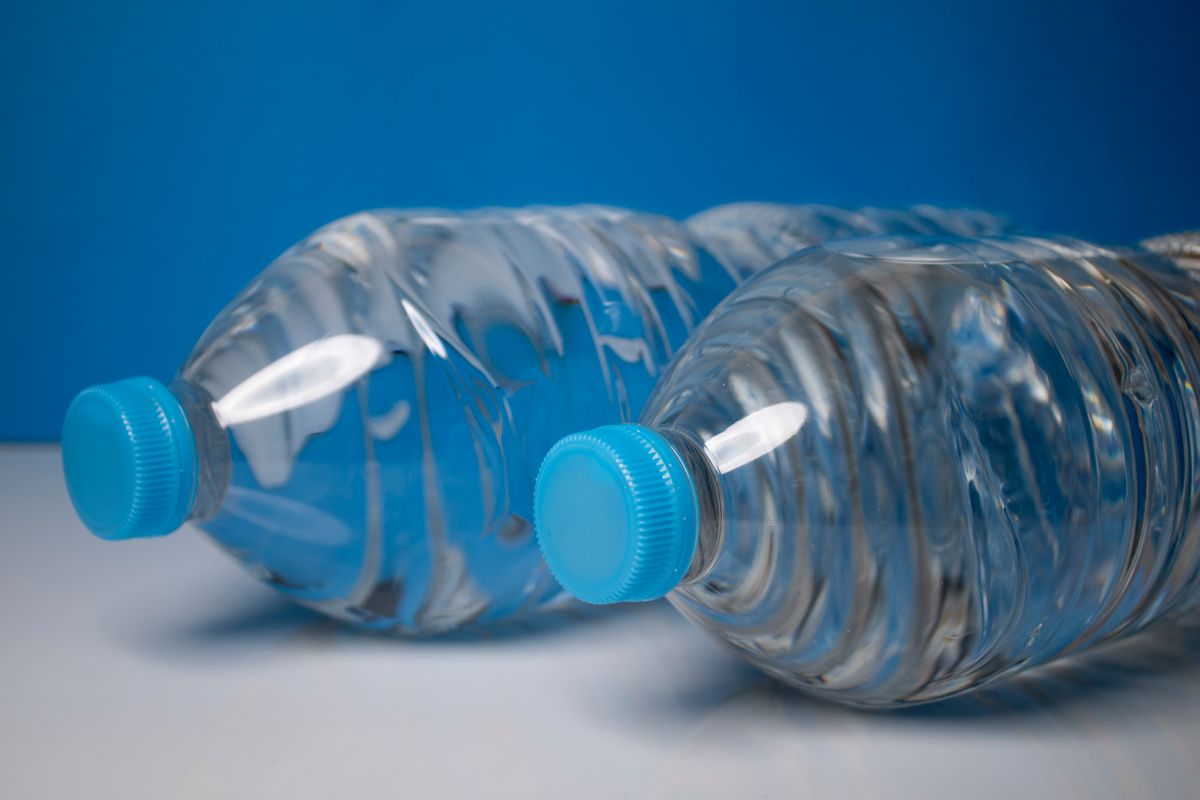
Because do not drink and do not use notices rule out boiling, they make stored water even more important. Keep at least a three-day supply of bottled water, about one gallon per person per day. Our emergency water storage guide shows how.
Frequently asked questions
Can a boil water advisory change to a do not drink notice?
Yes, if testing reveals a contaminant that boiling does not address, the utility may change the notice.
Is a filter enough during a do not drink notice?
It depends on the contaminant and the filter’s certification. Unless your utility or health department says a specific filter is effective, use bottled water. See do water filters make water safe.
Can I use water from my water heater?
Not during a do not drink or do not use notice, since it came from the same contaminated supply.
Summary
A boil water advisory is about germs, and boiling fixes it. A do not drink notice is usually about chemicals or toxins that boiling cannot remove, so use bottled water instead. A do not use notice means you should not use tap water for anything except what the notice allows. Always read the full notice and follow the specific instructions. Check the boil water advisory map for current advisories near you.