Hand Washing During a Boil Water Advisory: Is Tap Water OK?
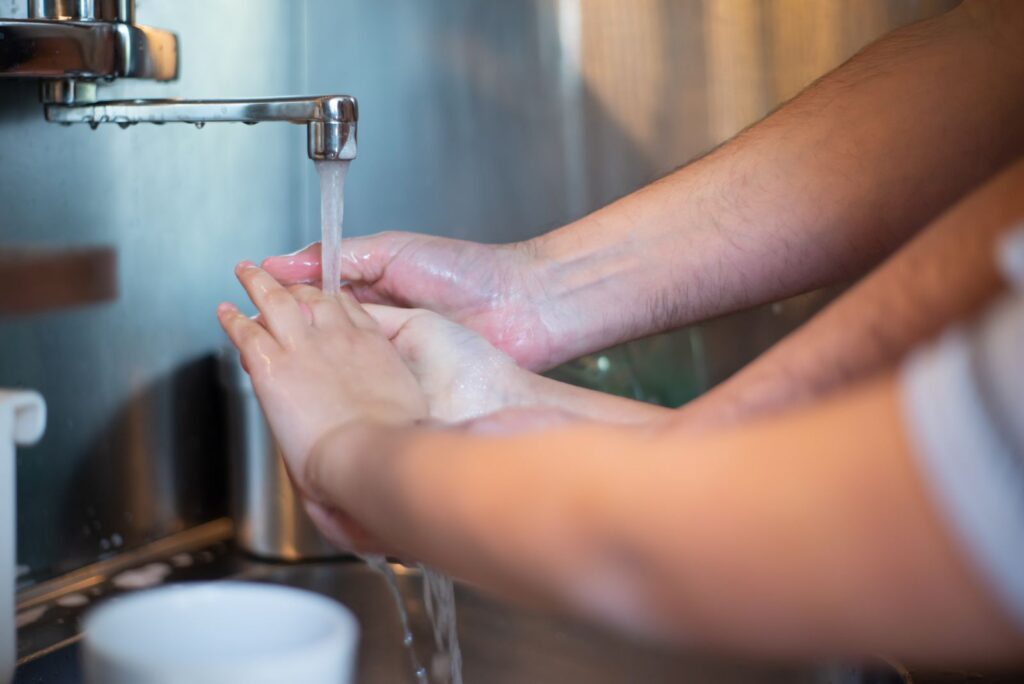
Clean hands are one of the best defenses against illness, and that matters even more when the water supply may be contaminated. Yet during a boil water advisory, many people wonder whether washing hands under the tap could make them sicker rather than cleaner.
According to the U.S. Centers for Disease Control and Prevention (CDC), in most cases it is safe to wash your hands with soap and tap water during a boil water advisory. You should follow the guidance of your local health officials, who may recommend extra steps in specific situations. This guide explains why soap and tap water usually work, when to take extra precautions, and how to wash your hands effectively.
Why soap and tap water usually work
Hand washing does not kill germs mainly through the water. Instead:
- Soap lifts dirt, grease and microbes off your skin.
- Scrubbing creates friction that removes germs from the skin’s surface and under the nails.
- Rinsing washes the loosened germs away.
- Drying with a clean towel removes more germs.
The small amount of water left on your hands after drying is unlikely to cause illness for most people, as long as you do not put your hands in your mouth while they are still wet. The bigger risk during an advisory is swallowing contaminated water directly, not touching it.

When to take extra precautions
Your local notice may recommend extra steps, especially when:
- Contamination has been confirmed, such as a positive E. coli result
- There is a waterborne disease outbreak in your community
- The water is visibly dirty, such as after flooding
- You are caring for someone vulnerable, such as a newborn or a person with a weakened immune system
- You work in health care or food service, where hand hygiene rules are stricter
In these cases, options include:
- Washing with boiled water that has cooled, or bottled water
- Washing with soap and tap water, then using hand sanitizer with at least 60 percent alcohol
- Using hand sanitizer alone when hands are not visibly dirty
How to wash your hands properly
The CDC’s five steps apply during an advisory as well:
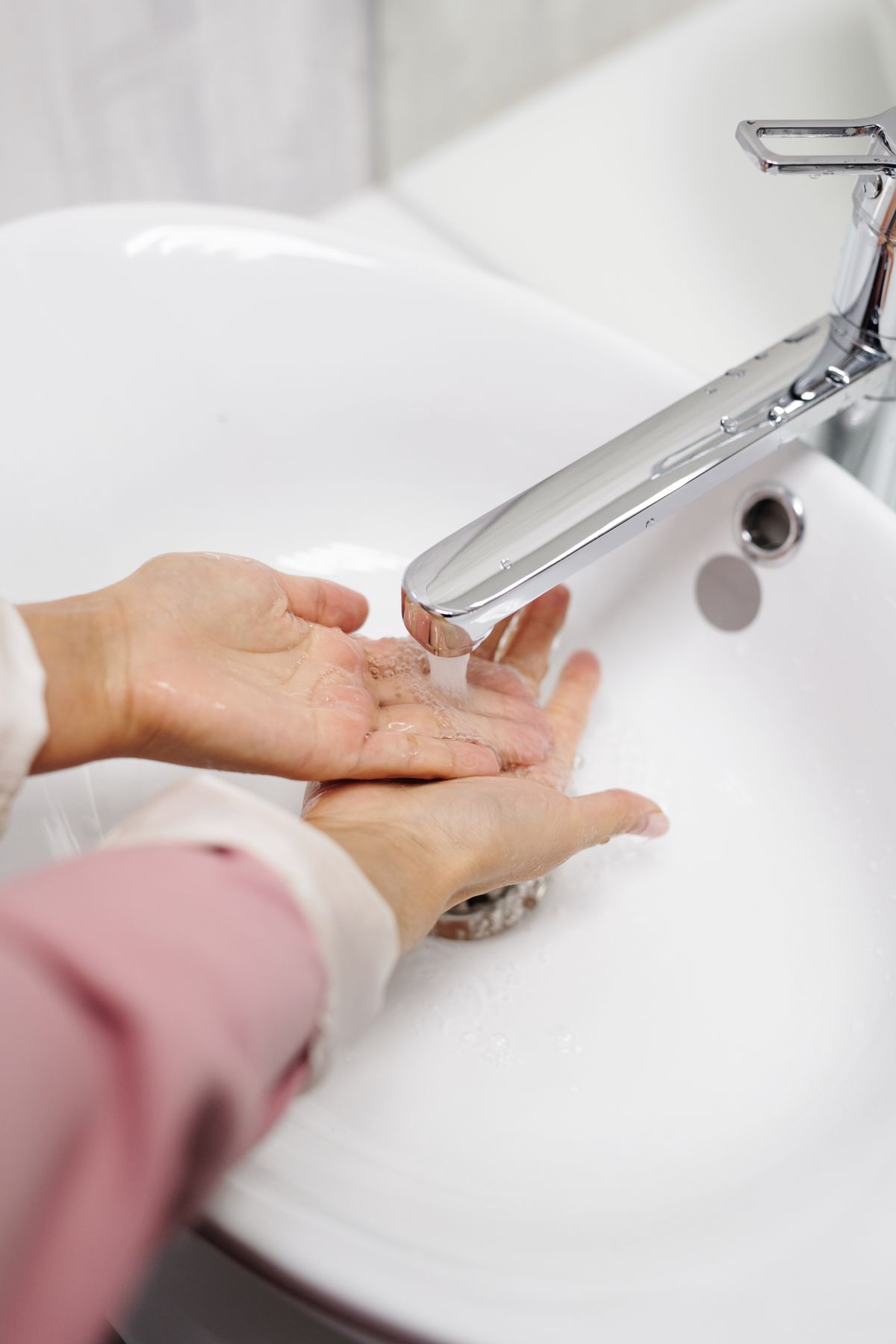
- Wet your hands with clean running water, either warm or cold, and turn off the tap.
- Lather by rubbing your hands together with soap. Cover the backs of hands, between fingers and under nails.
- Scrub for at least 20 seconds. Humming "Happy Birthday" twice is a common timer.
- Rinse well under running water.
- Dry with a clean towel or air dry.
Using a hand washing station with safe water
If your local officials recommend using boiled or bottled water for hand washing, you can set up a simple station:
- A large container with a spigot, such as a camping water jug, filled with boiled, cooled water
- Soap
- A basin or bucket underneath to catch used water
- Paper towels or clean cloth towels
- A trash can
This setup uses much less water than you might expect, and it is especially useful for families with babies or during long advisories.
Using hand sanitizer
Alcohol-based hand sanitizer is a helpful supplement during an advisory. To use it effectively:
- Choose a product with at least 60 percent alcohol.
- Apply enough to cover all surfaces of both hands.
- Rub your hands together until they are dry, which takes about 20 seconds.
Hand sanitizer has limitations:
- It does not work as well on visibly dirty or greasy hands.
- It does not eliminate all types of germs, such as norovirus and Cryptosporidium, as effectively as hand washing.
- It should not replace soap and water after using the toilet or changing diapers, when possible.

When hand washing matters most
During a boil water advisory, keep up good hand hygiene at these key times:
- Before, during and after preparing food
- Before eating
- Before preparing baby formula or feeding a baby
- After using the toilet
- After changing diapers or helping a child use the toilet
- After caring for someone who is sick
- After handling pets, pet food or pet waste
- After touching garbage
- After contact with floodwater
Children and hand washing
Children often put their hands in their mouths, so:
- Help young children wash their hands and dry them thoroughly.
- Make sure they do not drink from the tap while washing.
- Use hand sanitizer under supervision; keep it out of reach when not in use, since swallowing it is dangerous.
Hand washing for caregivers and health workers
Home health aides, nurses and caregivers should follow the infection control guidance from their employer or agency. Health care facilities usually have specific procedures for boil water advisories, which may include using bottled water and alcohol-based sanitizer.
Food service workers
Restaurants and food businesses must follow their local health department’s rules, which may require using boiled water, temporary hand washing stations or sanitizer after washing. See our restaurant guide.
Hand washing after floods
Boil water advisories after floods are a special case. Floodwater can contain sewage and chemicals, and anyone cleaning up flood damage handles contaminated materials for hours. In these situations:
- Wear waterproof gloves and boots during cleanup.
- Wash hands with soap and safe water, boiled or bottled if your local officials recommend it, every time you take a break, eat or drink.
- Never wash hands in floodwater.
- Use hand sanitizer as an extra step after washing, especially before eating.
- Wash any cuts immediately and cover them.
See boil water advisories after hurricanes and floods.
Making hand washing easy at home
A few small changes help everyone keep good habits during an advisory:
- Put a pump bottle of soap at every sink.
- Keep a clean hand towel for each person, or use paper towels, and change cloth towels daily.
- Place hand sanitizer near the kitchen, the front door and the diaper changing area.
- Post a small reminder for children: "Soap, scrub, rinse, dry. Never drink."
- Keep a cup of bottled water by the bathroom sink for brushing teeth, so nobody uses the tap. See brushing teeth during an advisory.
Hand washing and illness in the home
If someone in your household gets sick with diarrhea or vomiting during an advisory, hand washing becomes even more important to stop the illness from spreading. Wash hands with soap after every bathroom visit and after cleaning up, clean bathroom surfaces with a bleach-based cleaner, and keep the sick person out of food preparation until at least two days after symptoms stop.
Wounds and broken skin
If you have cuts, burns or broken skin on your hands, clean them with boiled or bottled water, and cover them with a waterproof bandage before washing hands with tap water.
Common questions
Should I use hot water to kill germs?
Water temperature does not significantly change how well hand washing removes germs, and water hot enough to kill germs would burn your skin. Use comfortable water.
Is antibacterial soap better?
Plain soap and water works just as well for most people. The key is scrubbing for 20 seconds.
What about wet wipes?
Wipes can remove dirt but are not a substitute for hand washing or sanitizer. Use them only when nothing better is available.
Summary
In most boil water advisories, it is safe to wash your hands with soap and tap water, as long as you scrub for 20 seconds and dry them well. Follow your local officials if they recommend boiled water or hand sanitizer, especially when contamination is confirmed or you are caring for vulnerable people. For more on what is safe during an advisory, see CDC boil water guidance explained and the boil water advisory map.