Water Main Breaks and Boil Water Advisories: Why Pressure Loss Matters

You turn on the faucet and nothing comes out, or the water sputters and runs brown. Down the street, a utility crew is digging up the road around a geyser of water. A few hours later, a notice arrives: boil your water until further notice.
Water main breaks are among the most common reasons for boil water advisories in the United States. Estimates from industry groups suggest there are roughly a quarter of a million water main breaks in the U.S. each year. This article explains why breaks happen, how they can let germs into your water, what utilities do to fix them, and what you should do at home.
Why water mains break
Water mains are the large pipes that carry water under streets to homes and businesses. Many of them were installed decades ago, and some cities still use pipes that are more than 100 years old. Common causes of breaks include:
- Age and corrosion: older cast iron and steel pipes corrode over time and become brittle.
- Temperature changes: cold weather contracts pipes and the ground around them. Rapid temperature swings in winter are a well-known trigger for breaks.
- Ground movement: soil shifting, settling, drought and frost heave put stress on pipes.
- Pressure surges: sudden changes in flow, called water hammer, can crack weakened pipes.
- Construction damage: digging by other utilities or contractors can strike mains.
- Heavy traffic: vibration and loads from trucks over shallow pipes can contribute to failures.
How a break can let germs in
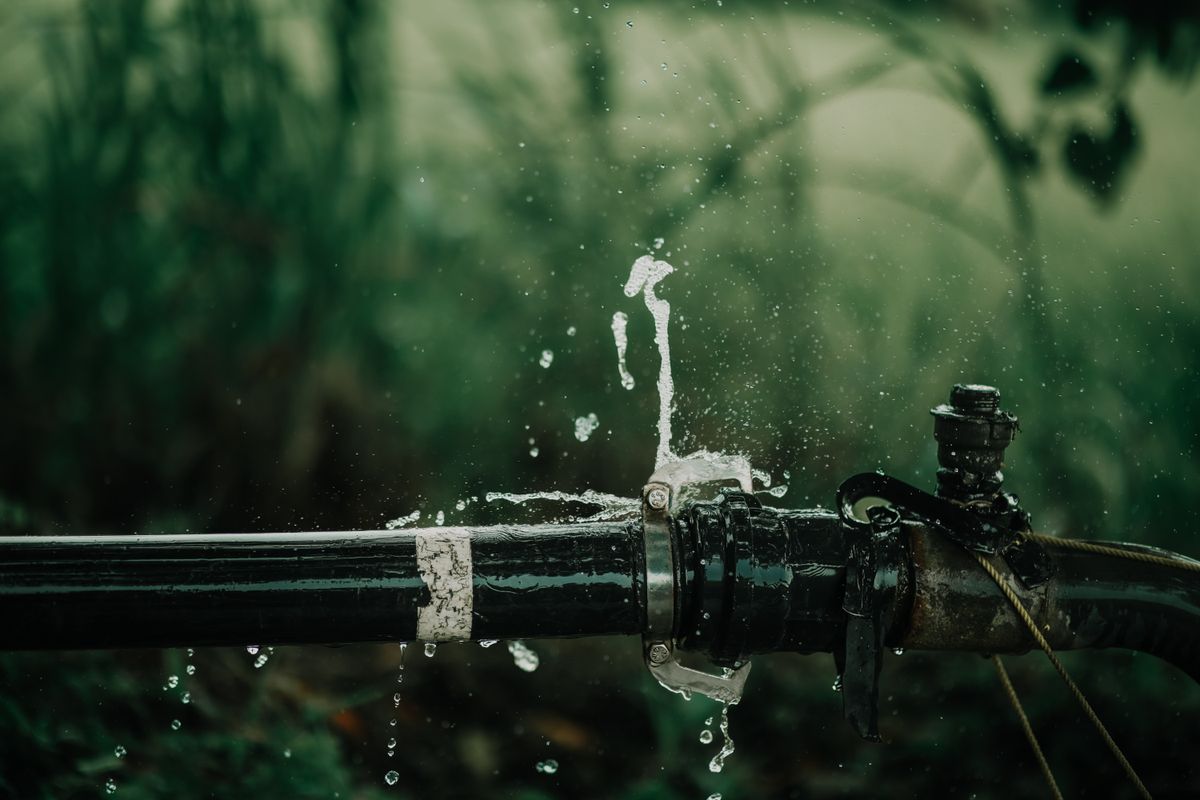
Drinking water systems keep contamination out by keeping water under positive pressure. As long as pressure inside the pipe is higher than outside, any leak pushes water out, not dirt in.
When a main breaks:
- Pressure drops in the surrounding area, sometimes to zero.
- The pipe is open to the soil and groundwater around it, which can contain bacteria from sewer lines, animal waste and runoff.
- Backflow and backsiphonage can occur. Low pressure can pull water backward from homes and businesses into the main, especially where there are cross-connections with hoses, irrigation systems or industrial equipment.
- Crews must drain and open the pipe to repair it, exposing the inside of the pipe to the trench.
Because of these risks, many states require or recommend a boil water advisory whenever pressure in part of the system drops below about 20 pounds per square inch.
What crews do to fix a break
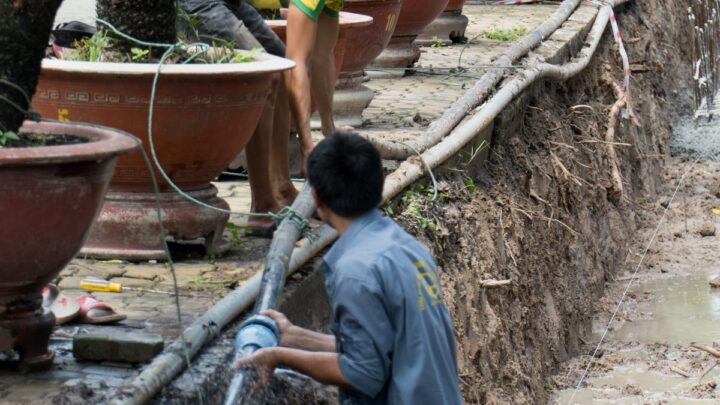
- Locate and isolate the break by closing valves on either side, which is why some streets lose water while others do not.
- Excavate to expose the pipe, often cutting through pavement.
- Repair or replace the damaged section using clamps, sleeves or new pipe.
- Disinfect new pipe and fittings, following industry standards for disinfecting water mains.
- Restore service slowly to avoid pressure surges, and flush the area through hydrants to remove dirt, air and potentially contaminated water.
- Collect samples for bacterial testing.
- Lift the advisory once test results meet state requirements, usually after one to three days.
What you might notice at home
- No water or low pressure while the main is shut off
- Air spitting from faucets when service is restored
- Cloudy or milky water, often caused by tiny air bubbles that clear if the glass sits for a minute
- Brown, yellow or orange water, caused by rust and sediment stirred up in the pipes
- A notice on your door, by text or online

What to do during a main break advisory
- Follow the boil water advisory: boil water for one minute (three minutes above 6,500 feet) or use bottled water for drinking, cooking, ice, brushing teeth, formula and pets. See how to boil water safely.
- Avoid using hot water when the water is discolored, so sediment does not get into your water heater.
- Do not do laundry while the water is discolored, to avoid staining.
- Run cold water until it clears once service is restored.
- Turn off ice makers and throw away ice made after the break.
- Report leaks you see on the street to the utility.
Main breaks vs. service line leaks
Not every leak is a main break. It helps to know the difference, because responsibility and risk differ:
| Leak location | Who usually repairs it | Advisory likely? |
|---|---|---|
| Water main under the street | Utility | Often, if pressure drops |
| Service line between main and meter | Usually the utility | Sometimes, for affected homes |
| Service line between meter and house | Usually the property owner | Rarely for neighbors |
| Pipes inside the home | Property owner | No public advisory |
Responsibility varies by utility, so check your local rules. If you see water bubbling up through pavement, pooling in a yard with no rain, or a sudden drop in pressure, call the utility’s emergency number. Reporting leaks early can prevent a small problem from turning into a major break and a wider advisory.
Signs a break might affect you before any notice arrives
Utilities try to notify affected customers quickly, but a few minutes or hours can pass before a notice goes out. If you notice a sudden loss of pressure, air in the lines or a crew working on a main nearby, it is reasonable to start using bottled or boiled water right away and check the utility’s website or the advisory map. Taking precautions early costs little and avoids exposure during the gap.
Protecting your home from backflow
Homeowners can help protect the public system and their own water:
- Do not leave hoses submerged in pools, buckets or chemicals.
- Install hose bib vacuum breakers on outdoor spigots.
- Make sure irrigation systems and boilers have proper backflow preventers, which are required by many local codes.
- Have backflow devices tested as required by your utility.
When the advisory is lifted
Flush your plumbing by running cold taps for several minutes, starting at the lowest floor. Clear the ice maker and replace filters. See our full checklist for after an advisory.
Why breaks are becoming more common
Many U.S. water systems were built in the decades after World War II, and a large share of pipes are reaching the end of their useful life. Replacing them is expensive and disruptive. The American Society of Civil Engineers has repeatedly given U.S. drinking water infrastructure low grades in its infrastructure report cards, citing aging pipes and underinvestment. Federal funding programs have increased in recent years, but replacing old mains will take decades.

Frequently asked questions
Why do main breaks happen more in winter?
Cold water and frozen ground put stress on pipes, and sudden temperature changes cause metal to contract. Breaks often spike during cold snaps.
Does every main break cause a boil water advisory?
No. If crews can repair a break without losing pressure, or if pressure stays above the threshold, an advisory may not be needed. It depends on state rules and the situation.
Who pays for damage from a main break?
It depends on local laws and circumstances. Contact your utility and your homeowner’s insurance if a break damages your property.
Summary
Water main breaks cause pressure loss and open the pipe network to the outside world, which is why they so often lead to boil water advisories. Crews isolate, repair, disinfect and flush the main, then test the water before lifting the notice, usually within one to three days. Follow the advisory, run cold water until it clears, and flush your plumbing when it ends. Check the boil water advisory map for current notices.