Brushing Teeth During a Boil Water Advisory: What to Use and Why
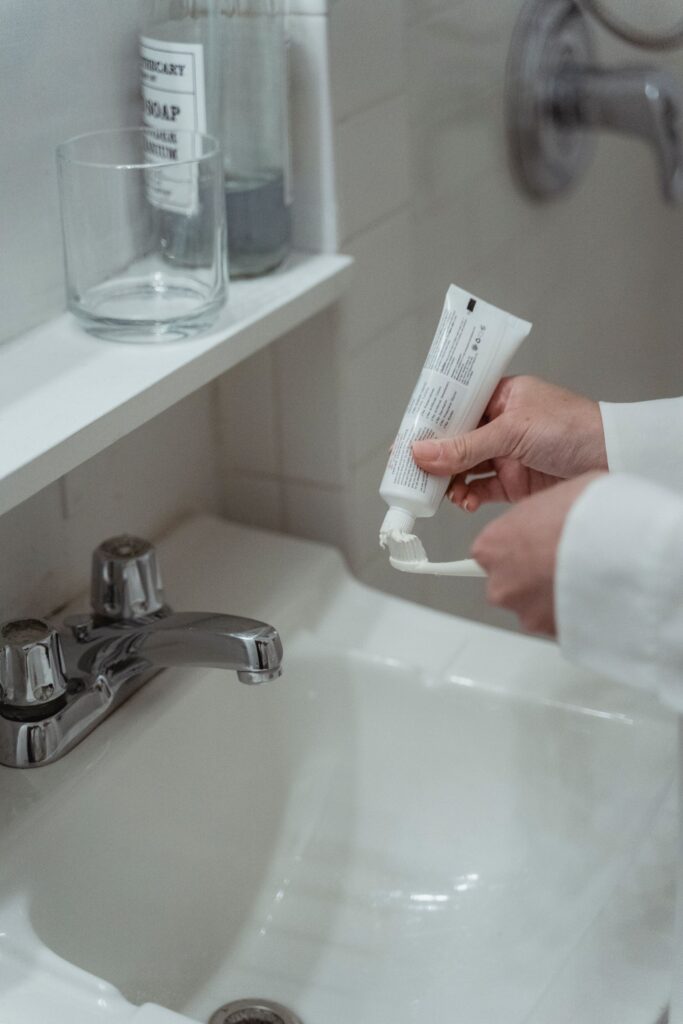
Brushing your teeth is one of those habits most of us do without thinking, which is exactly why it is easy to slip up during a boil water advisory. You wet the brush, rinse your mouth, spit, and rinse the brush again, all with tap water. Even though you are not drinking it, some of that water inevitably ends up being swallowed.
Public health agencies, including the U.S. Centers for Disease Control and Prevention (CDC), recommend using boiled or bottled water to brush your teeth during a boil water advisory. This guide explains why, how to set up your bathroom so you do not forget, and how to handle kids, braces, dentures, retainers and toothbrushes.
Why tap water is a risk when brushing
The germs that cause boil water advisories, such as E. coli, norovirus, Giardia and Cryptosporidium, cause illness when they are swallowed. Brushing involves several steps where tap water enters the mouth:
- Wetting the toothbrush before brushing
- Rinsing your mouth after brushing
- Rinsing the toothbrush and putting it back wet
- Rinsing out a cup used to hold water
It only takes a small amount of contaminated water to make some people sick, particularly young children, older adults and people with weakened immune systems.
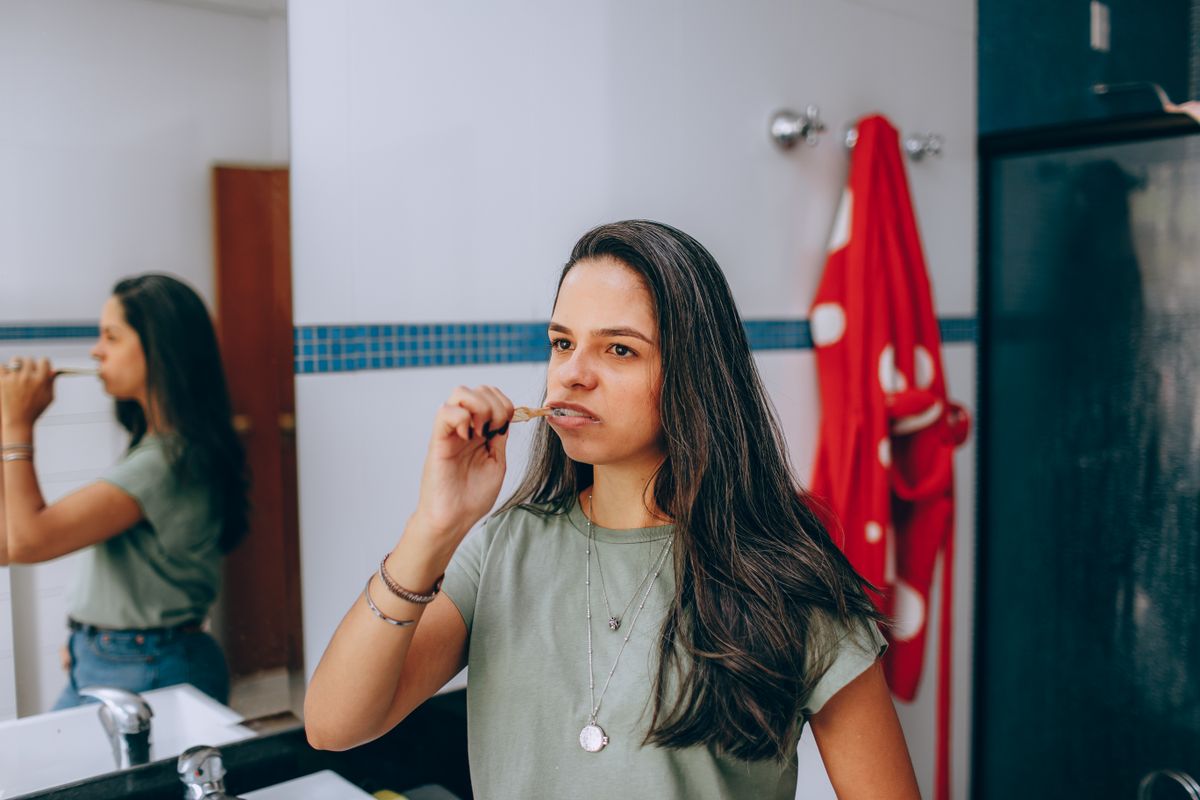
How to brush your teeth during a boil water advisory
- Fill a clean cup with boiled water that has cooled, or with bottled water.
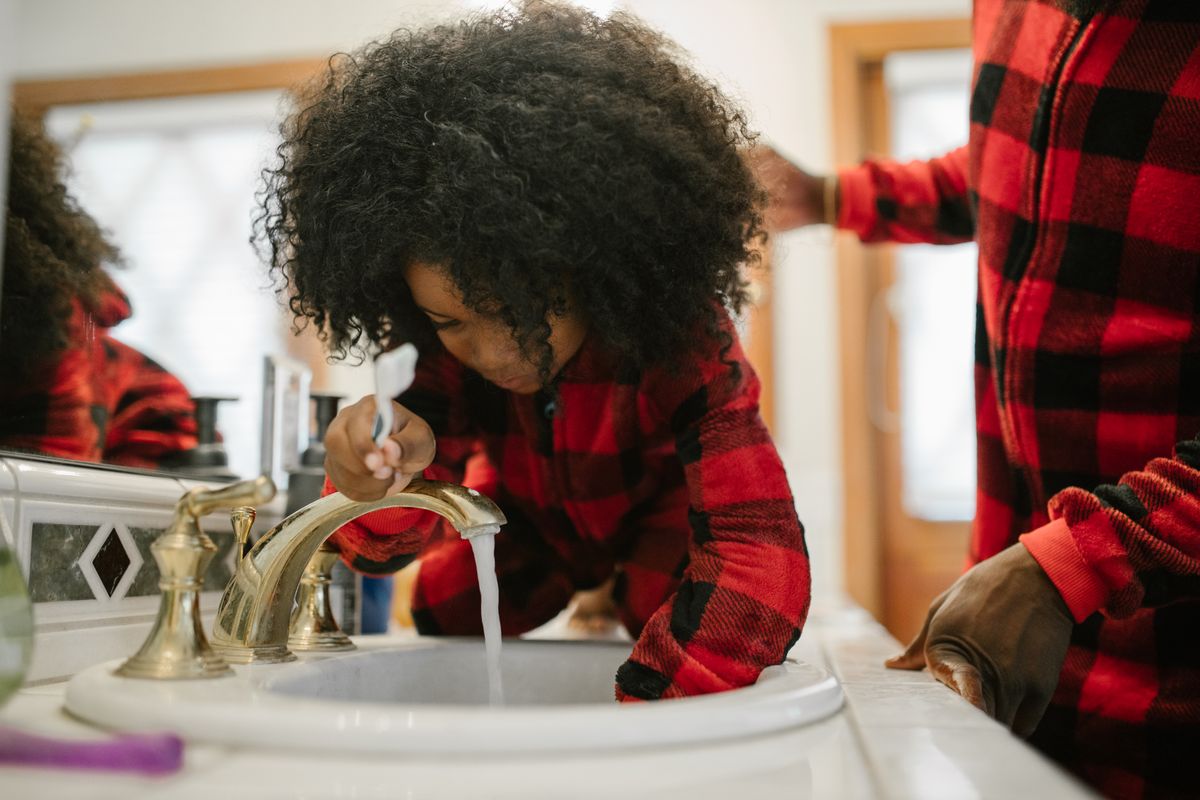
- Wet your toothbrush by dipping it into the cup or pouring a little water over it. Do not hold it under the tap.
- Brush as usual with fluoride toothpaste for two minutes.
- Spit, then rinse using water from the cup.
- Rinse your toothbrush with water from the cup or a separate bottle.
- Store the brush upright and let it air dry.
Keep a labeled bottle or covered pitcher of safe water next to each bathroom sink so it is always within reach.
Tips to stop yourself using the tap
Habit is the biggest risk. These tricks help:
- Cover the faucet handle with a sticky note or a small plastic bag as a reminder.
- Place the safe water bottle where the toothbrush usually sits, so you reach for it first.
- Put a sign on the mirror for children and guests.
- Turn off the bathroom sink’s water supply valve under the sink if you want to make it impossible to use by accident. Remember to turn it back on and flush the line when the advisory ends.
Brushing children’s teeth
Children often swallow toothpaste and water while brushing, so they are at higher risk.
- Brush young children’s teeth yourself using boiled or bottled water.
- Use a small smear of fluoride toothpaste for children under three and a pea-sized amount for ages three to six, as recommended by dental associations.
- Do not let children drink from the bathroom tap.
- Keep cups of safe water out of reach of toddlers to avoid spills that tempt them to use the tap.
Braces, retainers, aligners and dentures
Braces
People with braces often use more water for rinsing and for water flossers. Use boiled or bottled water for every rinse. If you use an oral irrigator or water flosser, fill its reservoir only with boiled, cooled water or bottled water, and empty it after each use.
Clear aligners and retainers
Clean them with boiled water that has cooled to lukewarm. Hot water can warp plastic. Soak them in their usual cleaning solution mixed with bottled or boiled water.
Dentures
Brush and soak dentures using boiled, cooled water or bottled water. Do not soak dentures in hot water, which can warp them. Rinse dentures with safe water before putting them back in your mouth.
Mouthwash
Alcohol-based or antiseptic mouthwash used straight from the bottle is fine, since it does not contain tap water. Do not dilute mouthwash with tap water. If your mouthwash needs diluting, use boiled or bottled water.
Electric toothbrushes and water flossers
- Electric toothbrushes: the handle can be rinsed under the tap since it does not go in your mouth, but rinse the brush head with safe water.
- Water flossers: fill only with boiled, cooled water or bottled water. When the advisory is lifted, run a full reservoir of fresh tap water through the device and clean it as the manufacturer recommends.
Should you replace your toothbrush after an advisory?
If you accidentally used tap water on your toothbrush during an advisory, the risk is small, but many people choose to replace their toothbrush or brush head once the advisory is over. This is especially sensible if anyone in the house has been sick. Toothbrushes are inexpensive, and dentists generally recommend replacing them every three to four months anyway.
What if I accidentally brushed with tap water?
Do not panic. A single accidental exposure rarely causes illness, especially for healthy adults. Watch for symptoms over the next several days, such as diarrhea, stomach cramps, nausea or vomiting. If symptoms develop, drink plenty of safe fluids and contact a health care provider, especially if the person affected is a young child, older adult, pregnant or immunocompromised. Mention the boil water advisory.
Using water for oral care after dental work
If you have recently had a tooth extraction, implant or oral surgery, your dentist may have told you to rinse with warm salt water. During an advisory, make that rinse with boiled water that has cooled to a comfortable temperature. Ask your dentist if you have any concerns about infection.
Brushing teeth away from home
Advisories do not stop at your front door. If you are staying with family, at a hotel or at a campground in an area under a notice, the same rules apply:
- Ask the hotel front desk whether the property is under an advisory, and request bottled water for your room.
- Pack a small bottle of water in your toiletry bag specifically for brushing.
- At campgrounds, treat spigot water as unsafe unless it is posted as safe, and boil water on your camp stove for oral care.
- When traveling with children, bring a few extra bottles so they do not reach for the tap.
Fluoride and boiled water
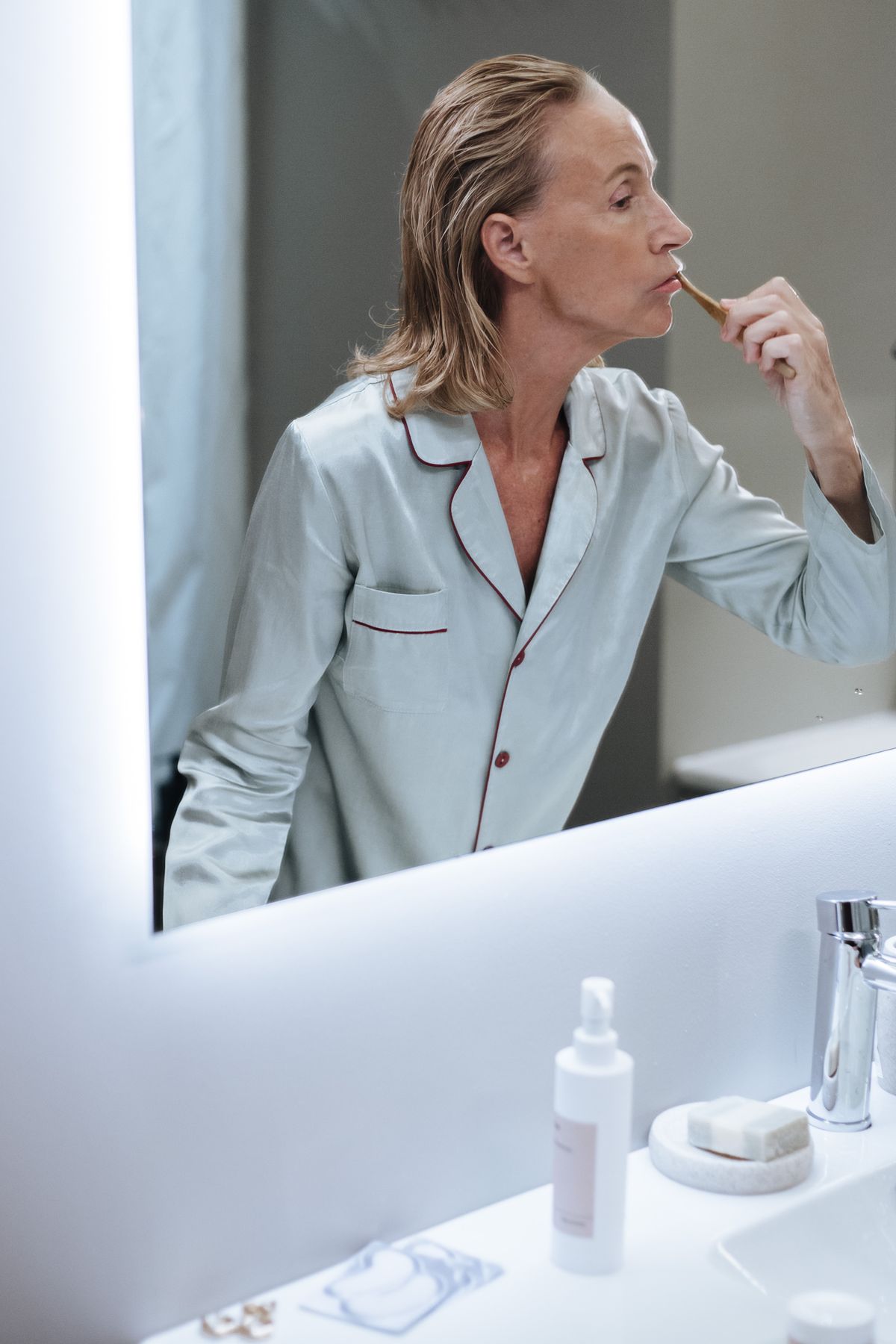
Boiling water does not remove fluoride from community water. Boiled tap water still contains fluoride, and it becomes very slightly more concentrated as some water evaporates, though not enough to matter for a few days of brushing. Bottled water may or may not contain fluoride. Using fluoride toothpaste remains the most important step for protecting teeth during an advisory.
A simple bathroom setup
For a household of four during a multi-day advisory, set up each bathroom with:
- A labeled pitcher or large bottle of boiled, cooled water or bottled water
- Clean cups for each person
- A small sign or tape on the faucet
- Hand sanitizer for times when you cannot wash hands with soap
Refill the bathroom water from the kitchen supply each morning and evening. Our guide to how much bottled water you need can help you plan.
When the advisory ends
When your utility announces that the boil water advisory has been lifted, run the bathroom cold tap for several minutes as part of flushing the household plumbing. Clean water flossers and replace filters in any bathroom water devices. See what to do after a boil water advisory is lifted.
Summary
Brush your teeth with boiled or bottled water during a boil water advisory, and use the same safe water for wetting the brush, rinsing your mouth and rinsing the brush. Supervise children, take care with braces and dentures, and set up each bathroom so the safe water is easier to reach than the tap. Check the boil water advisory map for updates on your area.