Boil Water Advisories After Hurricanes and Floods: Staying Safe
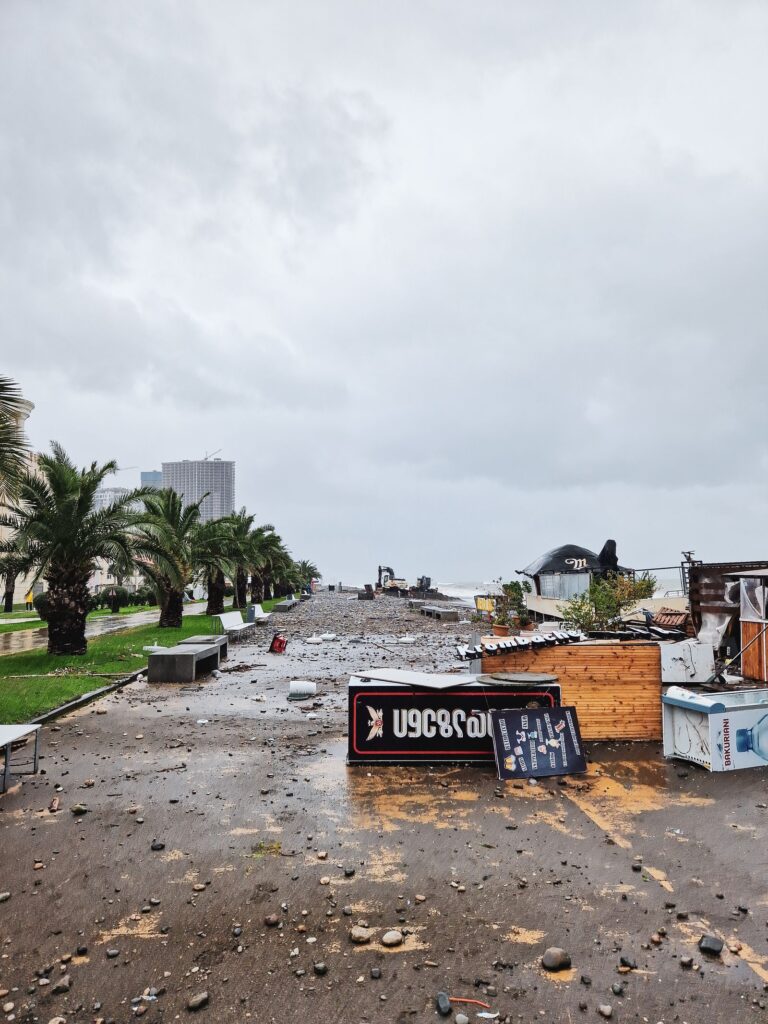
After a hurricane or major flood, safe drinking water is one of the first things to disappear and one of the last to come back. Power outages shut down treatment plants and pump stations, floodwater pours into wells and pipes, and broken mains drain the system. Boil water advisories often cover entire cities or counties, sometimes for weeks.
This guide explains how storms and floods affect drinking water, how to prepare before a storm, and how to keep your household safe until the advisory is lifted.
How hurricanes and floods damage water systems
Power outages
Treatment plants, wells and pump stations need electricity. Many have backup generators, but long outages, fuel shortages and generator failures can stop treatment or reduce pressure across the system.
Floodwater contamination
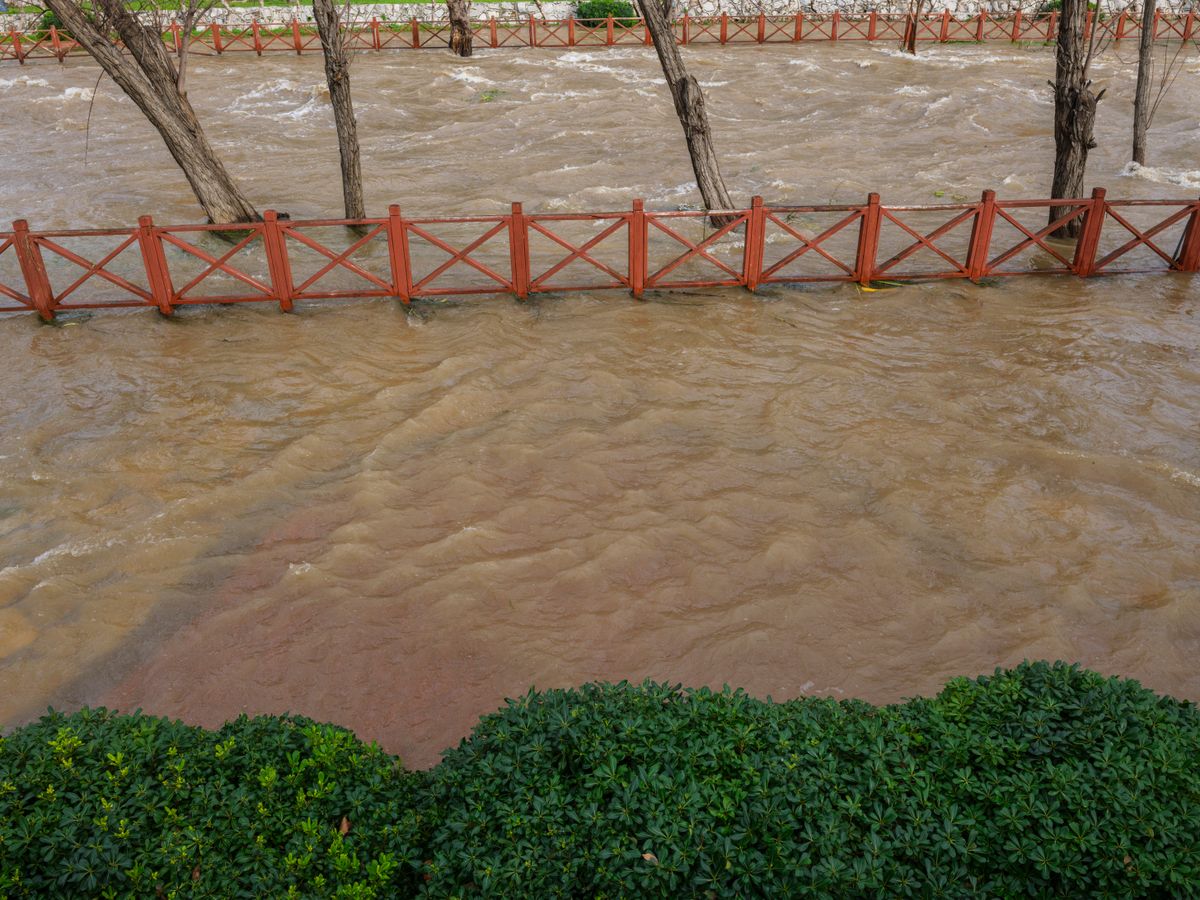
Floodwater often contains sewage, animal waste, chemicals, fuel and debris. It can enter wells, treatment plants, storage tanks and broken pipes. Sewage treatment plants can also overflow, sending untreated wastewater into rivers that supply drinking water.
Broken pipes and pressure loss
Uprooted trees, landslides and erosion can break water mains. Damaged homes and businesses may have broken service lines that leak continuously, draining pressure from the system.
High turbidity
Heavy rain washes soil and debris into rivers and reservoirs, making source water extremely cloudy. Particles can shield germs from disinfection and overwhelm filters.

Why storm advisories last longer
After a typical main break, a utility can fix one pipe, flush a few streets and test the water within a few days. After a major storm, utilities may face:
- Damage at many locations at once
- Treatment plants that need extensive repairs
- Roads blocked by debris, delaying crews
- Labs that are closed or overwhelmed
- Staff who are themselves affected by the disaster
As a result, storm-related advisories can last days to weeks. After Hurricane Helene in 2024, for example, parts of western North Carolina were without safe tap water for weeks. See how long boil water advisories last.
Before the storm: prepare your water supply
If a hurricane or major flood is forecast, prepare your water supply ahead of time:
- Store water. Keep at least one gallon per person per day for at least three days, and ideally two weeks if possible. Include water for pets. See our emergency water storage guide.
- Fill clean containers with tap water before the storm while it is still safe. Label them with the date.
- Fill bathtubs for flushing toilets and cleaning, not for drinking.
- Buy unscented household bleach for disinfecting water and surfaces.
- Have a way to boil water if the power is out, such as a camp stove for outdoor use.
- Stock ready-to-feed formula if you have an infant.
- Sign up for local alerts from your utility and county.
After the storm: assume the water is unsafe
Until your utility confirms otherwise, treat tap water as unsafe after a major storm or flood, especially if:
- You lost water pressure
- Your area flooded
- The water looks cloudy or discolored
- You have heard of damage to the water system
Use stored or bottled water. If you must use tap water, boil it for one minute (three minutes above 6,500 feet). If you cannot boil it, disinfect it with bleach.
Floodwater: avoid contact
Floodwater itself is dangerous:
- Do not let children play in floodwater.
- Avoid wading through floodwater, especially with open wounds.
- Wash with soap and safe water after any contact.
- Do not use floodwater for cleaning dishes or hands.
- Watch for downed power lines, which can electrify water.
Private wells after flooding
If your well was flooded, do not drink from it until it has been disinfected and tested. Floodwater can carry bacteria into the well, and debris can damage the pump and casing. Contact your local health department for testing and shock chlorination instructions. See private well water safety.

Food safety after a storm
- Throw away food that touched floodwater, unless it is in sealed, waterproof cans that can be cleaned and sanitized.
- Discard perishable food that has been above 40°F for more than two hours due to a power outage.
- Throw away ice made with tap water during the advisory.
- Wash produce only with safe water.
See food and drinks during a boil water advisory.
Carbon monoxide warning
Many people are hurt after storms by carbon monoxide from generators, camp stoves and grills used indoors. Never use these indoors, in garages, or near open windows. Boil water outdoors only if you use a camp stove or grill.
Hygiene and illness
- Wash hands with soap and safe water, especially before eating and after using the toilet or cleaning up.
- If safe water is scarce, use an alcohol-based hand sanitizer with at least 60 percent alcohol.
- Watch for diarrhea, vomiting and fever, and seek medical care if symptoms are severe.
When service returns
When the advisory is lifted, flush your plumbing thoroughly, clean or replace water filters, flush water heaters and clear ice makers. Homes that were damaged or flooded may need a plumber to check for broken pipes before water is turned back on. See what to do after an advisory is lifted.
A storm water checklist
Before the storm
- Store at least three days of water, one gallon per person per day, plus water for pets.
- Fill clean containers and label them with the date.
- Fill bathtubs for flushing and cleaning.
- Buy unscented bleach and a medicine dropper.
- Stock ready-to-feed formula and paper plates.
- Charge phones and sign up for local alerts.
After the storm
- Treat tap water as unsafe until officials say otherwise.
- Use stored water first, then boiled or disinfected water.
- Avoid floodwater and wash with safe water after contact.
- Throw away food that touched floodwater or warmed above 40°F for more than two hours.
- Run generators and camp stoves outdoors only.
- Check on neighbors who may need help.
Recovery can take time
Water systems are often among the first priorities after a disaster, but complete recovery can take a long time. Utilities may restore water for flushing and fire protection before it is safe to drink, so you may have running water for days while the boil water advisory continues. Be patient, keep following the advisory, and rely on official sources rather than rumors on social media.
Helping neighbors
Older adults, people with disabilities and families with infants may struggle to get water during a long advisory. Check on neighbors, share information about distribution sites, and help carry water if you can.
Frequently asked questions
Can I drink water from my water heater after a storm?
Water in your tank before the system was contaminated can be an emergency source if it has not been exposed to floodwater. Turn off the power or gas first, let the tank cool, and drain it from the valve at the bottom. If you are not sure when contamination began, treat that water as unsafe and boil or disinfect it.
Is rainwater safe to drink?
Not without treatment. Rainwater can pick up contaminants from roofs and containers. Boil or disinfect it before drinking.
Where can I get water if stores are closed?
Emergency agencies and utilities often set up distribution sites after major storms. Check local news, emergency management agencies and social media.
Summary
Hurricanes and floods can cut power, contaminate water sources and break pipes, leading to large and long boil water advisories. Store water before the storm, treat tap water as unsafe afterward until officials say otherwise, avoid floodwater, and use boiled, bottled or disinfected water for drinking and cooking. Track advisories in storm-affected areas on the boil water advisory map.