How Much Bottled Water Do You Need During a Boil Water Advisory?
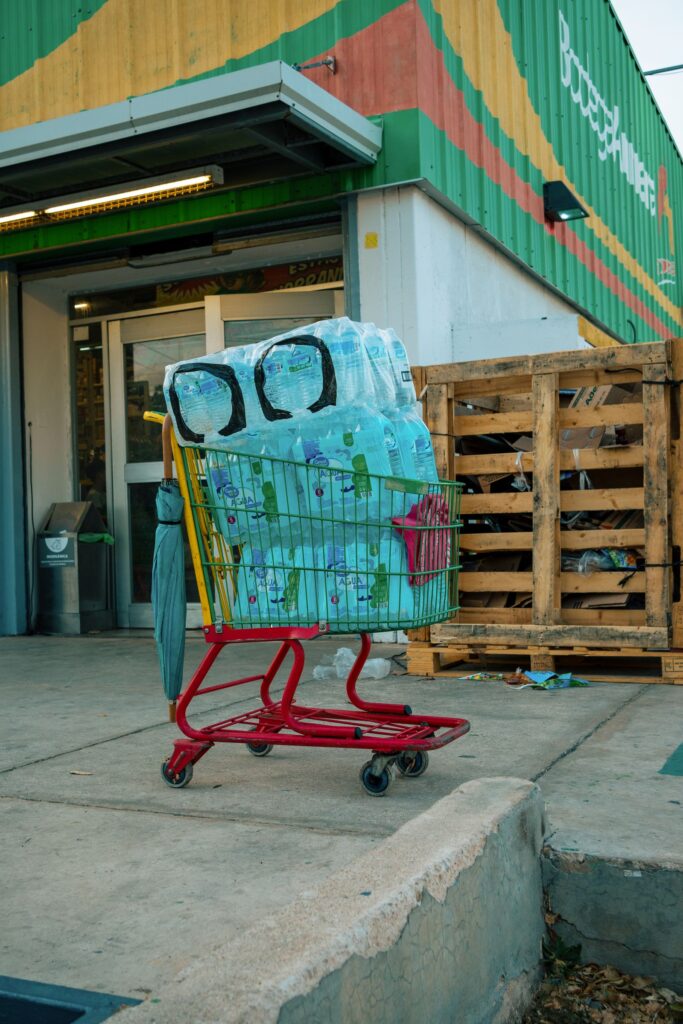
When a boil water advisory is announced, store shelves can empty quickly. Knowing how much bottled water you really need helps you buy enough without overspending or hoarding, and lets you decide whether to buy water, boil it, or combine the two.
The basic guideline from FEMA’s Ready.gov and the American Red Cross is at least one gallon of water per person per day. This guide explains where that number comes from, how to adjust it for your household, and how to stretch your supply during a long advisory.
The one-gallon rule
One gallon per person per day is meant to cover:
- About half a gallon (roughly 2 liters) for drinking
- The rest for cooking, brushing teeth and basic hygiene that requires safe water
During a boil water advisory, you can still use tap water for things like showering, flushing toilets and laundry. Bottled or boiled water is needed for drinking, cooking, making ice, brushing teeth, preparing formula and giving water to pets.

Who needs more than one gallon
Increase the amount if your household includes:
- Infants on formula: add about half a gallon a day for formula and sterilizing bottles. See baby formula during a boil water advisory.
- Pregnant or breastfeeding people: they need more fluid.
- People who are ill, especially with fever, vomiting or diarrhea.
- Older adults and people with certain medical conditions.
- Hot weather or hard physical work: water needs can double in heat.
- High altitude, where people lose more water through breathing.
Pets
Dogs and cats need roughly one ounce of water per pound of body weight per day. A large dog may need half a gallon or more. See pets during a boil water advisory.
Quick calculator
| Household | Per day | 3-day advisory | 7-day advisory |
|---|---|---|---|
| 1 adult | 1 gallon | 3 gallons | 7 gallons |
| 2 adults | 2 gallons | 6 gallons | 14 gallons |
| 2 adults + 2 children | 4 gallons | 12 gallons | 28 gallons |
| 2 adults + 1 infant on formula | 2.5 gallons | 7.5 gallons | 17.5 gallons |
| 2 adults + 1 large dog | 2.5 gallons | 7.5 gallons | 17.5 gallons |
Converting gallons to bottles
- A standard case of 24 bottles of 16.9 ounces (500 mL) holds about 3.2 gallons.
- A case of 32 bottles of 16.9 ounces holds about 4.2 gallons.
- A 1-gallon jug is 128 ounces.
- A 2.5-gallon dispenser box is 320 ounces.
- A 5-gallon water cooler jug holds 5 gallons.
Larger containers are usually cheaper per gallon and create less plastic waste. Small bottles are convenient for school, work and travel.
Should you buy water or boil it?
Most advisories last one to three days, so a mix of both often works best:
- Buy bottled water for drinking, baby formula and anyone at higher risk, and for the first day while you get set up.
- Boil tap water for cooking, washing produce, pets and brushing teeth once you have a routine.
Boiling is inexpensive and does not depend on store supplies. Our guide on how to boil water safely explains the method. If the advisory comes with a power outage, bottled water becomes much more important.
Making your supply last
- Use bottled water only where it matters. Shower, flush and do laundry with tap water as allowed.
- Cook foods that need less water, and reuse pasta water for soups once it has boiled.
- Use disposable plates for a few days to reduce sanitizing.
- Keep drinking water cold in the fridge so people are less tempted by the tap.
- Label containers clearly to avoid confusion.
Where to get water during an advisory
- Grocery stores, pharmacies and big-box stores
- Water delivery services
- Distribution sites set up by cities, utilities or emergency agencies during large or long advisories. These are usually announced on the utility’s website, local news and social media.
Water refill stations or vending machines located in the advisory area may draw from the affected supply. Unless the operator confirms the station has approved treatment and your health department says it is safe, avoid them.
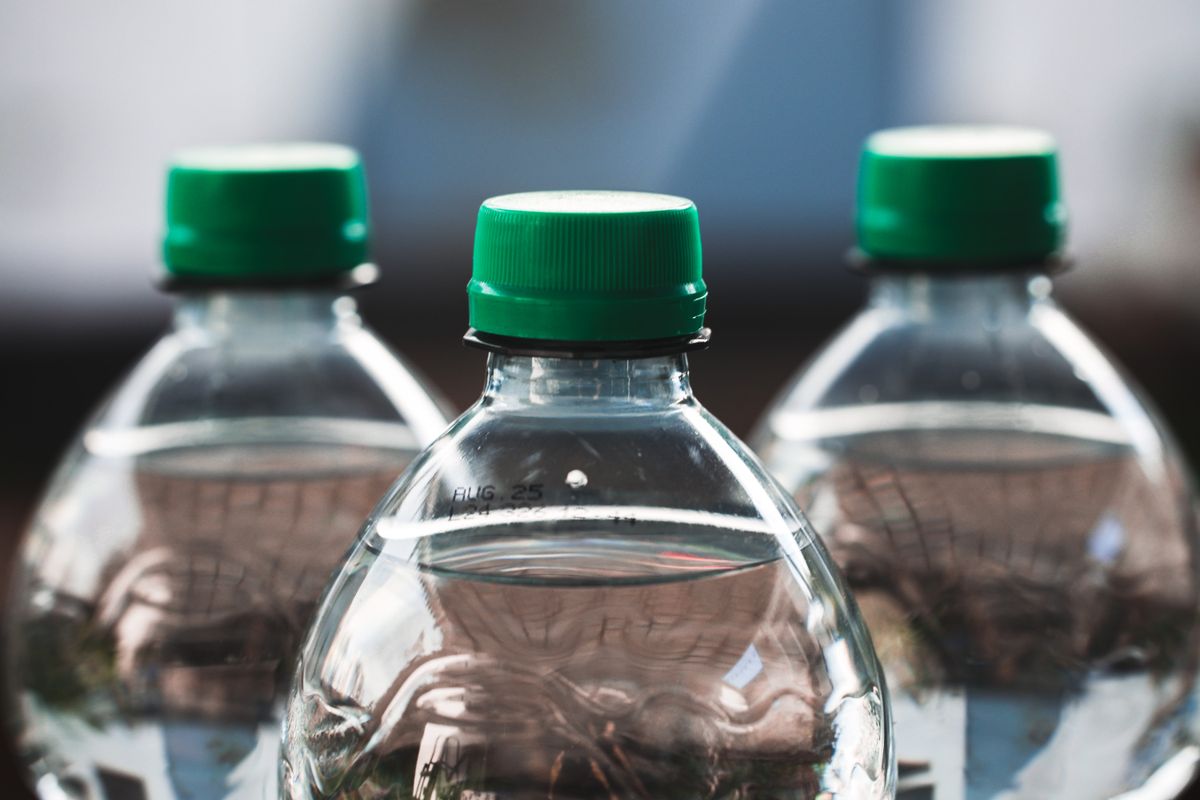
Storing bottled water
Commercially bottled water is sealed and can be stored for a long time. To keep it in good condition:
- Store it in a cool, dark place away from direct sunlight.
- Keep it away from gasoline, paint, pesticides and cleaning products, since plastic can absorb odors.
- Use the oldest water first.
- Check the "best by" date, which is mostly about taste and quality.
For a complete emergency plan, see our emergency water storage guide.
Reusing bottles and jugs
You can refill clean bottles with boiled, cooled water. Wash them with soap, sanitize them with a dilute bleach solution or boiled water, and let them dry. Avoid reusing containers that held milk or juice for long-term storage, because residues can promote bacterial growth.
Shopping list for a three-day advisory
For a typical household of two adults and two children, a practical shopping list might look like this:
- Two cases of 16.9-ounce bottles (about 6.4 gallons) for drinking and lunches
- Two or three 1-gallon jugs for cooking and brushing teeth
- One 2.5-gallon dispenser box to keep on the counter for refilling cups
- A bag of ice from an unaffected source, or bottled water for making ice
- Paper plates and cups to cut down on dishwashing
Add ready-to-feed formula or extra gallons for a baby, and a gallon or two for a large dog. If the advisory looks likely to last longer, buy for the first three days and switch to boiling water for cooking and pets after that.

Bottled water for people with medical needs
People who use medical devices at home may need safe water for more than drinking. CPAP and BiPAP humidifiers generally call for distilled water. Some home dialysis and wound-care routines have their own water requirements. Nebulizers, contact lenses and ostomy care also need careful handling. If anyone in your home relies on equipment like this, check the device instructions and talk to the care team about what to use during an advisory, and set that water aside separately from the household’s drinking supply.
Building a reserve before the next advisory
Keeping water on hand means you will not need to rush to the store next time. Ready.gov recommends at least a three-day supply, and ideally a two-week supply if space allows. For a family of four, a three-day supply is about 12 gallons, which fits in four cases of standard bottles or a few large jugs.
Common questions
Is sparkling or mineral water OK?
It is safe to drink, but it is not ideal for babies or for cooking. Plain still bottled water is the most versatile choice.
Can I use water from my hot water tank?
Not for drinking during an advisory. The tank holds the same water that may be contaminated. In some emergencies, tank water is used after disinfection, but follow local guidance.
Do I need distilled water?
No. Any sealed bottled drinking water is fine. Distilled water is useful for some medical devices, such as CPAP humidifiers.
Summary
Plan for at least one gallon of water per person per day, and more for infants, pets, illness and hot weather. A mix of bottled water for drinking and formula and boiled tap water for cooking and pets is often the most practical approach. Keep a reserve for the next emergency, and check the boil water advisory map to see when your advisory is lifted.