Pets and Boil Water Advisories: Keeping Dogs, Cats and Other Animals Safe
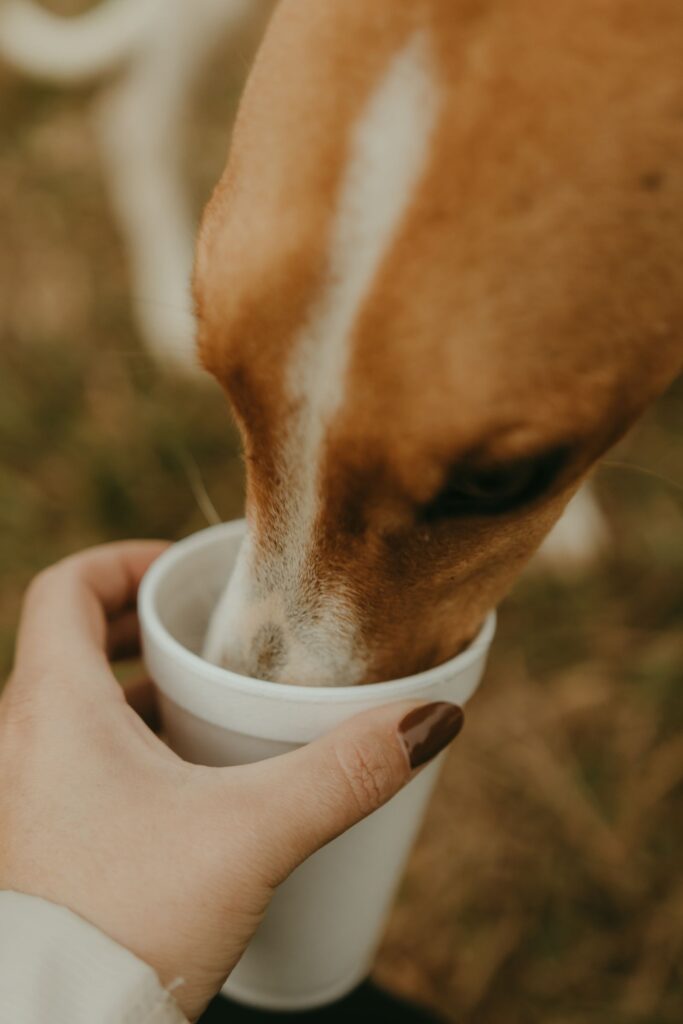
When a boil water advisory is issued, most people quickly switch to boiled or bottled water for themselves. Pets often get overlooked. The dog’s bowl gets filled from the tap out of habit, the cat drinks from the bathroom faucet, and the pet fountain keeps cycling the same water.
The U.S. Centers for Disease Control and Prevention (CDC) recommends giving pets boiled water that has cooled, or bottled water, during a boil water advisory. Animals can be infected by many of the same bacteria and parasites that affect people. This guide covers dogs, cats, small animals, birds, fish and backyard livestock.
Can pets get sick from contaminated tap water?
Yes. Germs that trigger boil water advisories can cause illness in animals as well as humans. Examples include:
- E. coli and Salmonella, which can cause diarrhea and vomiting in dogs and cats
- Giardia, a parasite that commonly infects dogs and cats and causes diarrhea
- Cryptosporidium, another parasite that can infect a range of animals
- Leptospira, a bacterium that can contaminate water after flooding and can cause serious illness in dogs and people
Some of these germs can also pass from pets to people, so keeping pets healthy protects the whole household.
How to give pets safe water
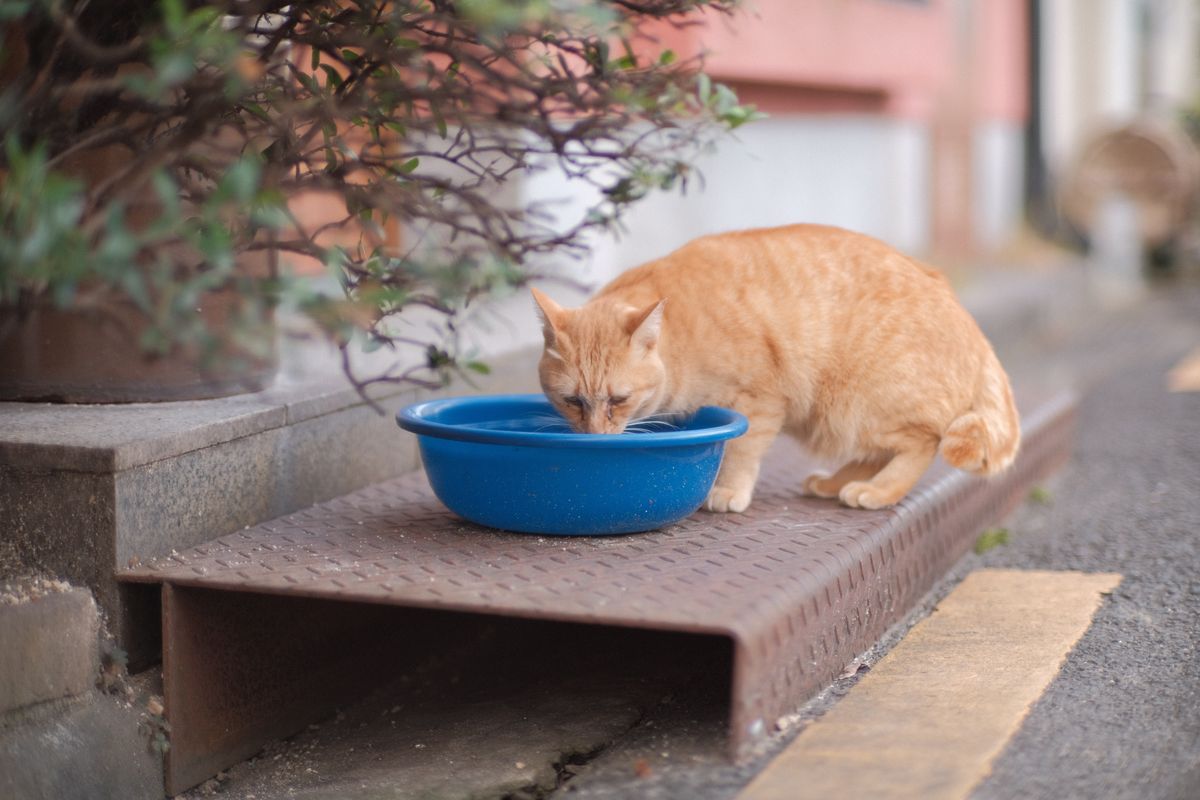
- Use boiled or bottled water. Boil tap water for one minute at a rolling boil (three minutes above 6,500 feet), then let it cool completely to room temperature.
- Wash water bowls with soap, then rinse them with boiled water or sanitize them like dishes. See washing dishes during a boil water advisory.
- Refill bowls often so water stays fresh.
- Keep extra safe water available in hot weather, after exercise, and for nursing or sick animals, which drink more.
Never give pets hot water. Let it cool fully first and check it with your hand before filling the bowl.
How much water do pets need?
A general rule of thumb is that dogs and cats need about one ounce of water per pound of body weight per day, though this varies with diet, activity, weather and health. A 50-pound dog may drink around 50 ounces, or about a gallon every two to three days. Cats on dry food drink more than cats on wet food. Plan your safe water supply with your pets in mind. Our guide to how much bottled water you need includes pets in its calculations.
Pet water fountains
Pet fountains recirculate water through a pump and filter. The filters in most pet fountains are designed to trap hair and debris and improve taste, not to remove bacteria or parasites. During an advisory:
- Empty the fountain.
- Wash it and its parts with soap, then rinse with boiled water.
- Refill it with boiled, cooled water or bottled water.
- Replace the filter after the advisory ends.
Alternatively, unplug the fountain and use a plain bowl until the advisory is lifted.
Cats that drink from faucets
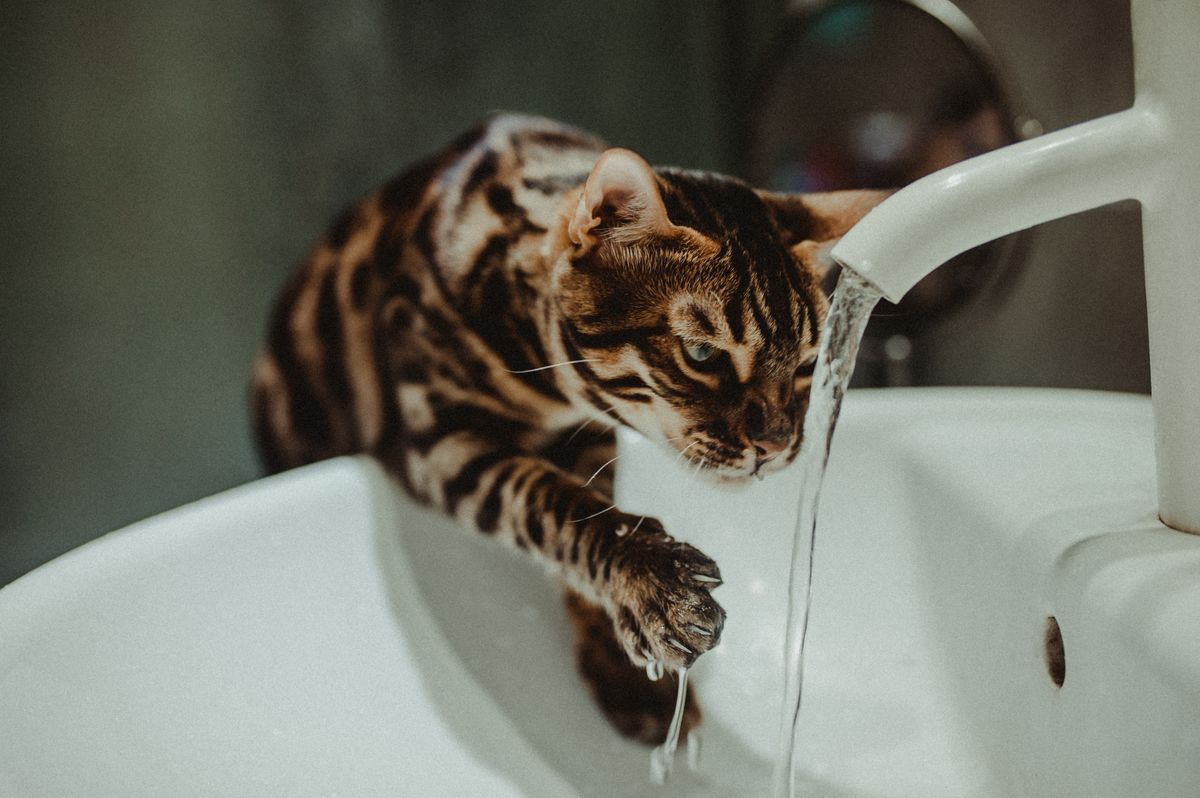
Some cats prefer running water and will drink straight from a dripping tap. During an advisory, close faucets fully and offer a bowl of safe water, perhaps placed near the sink where the cat is used to drinking. A pet fountain filled with safe water can also help.
Food for pets
- Mix dry food or prescription diets that need water only with boiled, cooled water or bottled water.
- Wash food bowls with soap and sanitize them.
- Do not soak kibble in tap water.
Bathing pets
It is generally fine to bathe pets in tap water during an advisory, as long as they do not drink it. Keep baths short, avoid getting water in the face, and dry pets well afterward. If your pet has open wounds or skin infections, ask your veterinarian before bathing.
Fish and aquariums
Aquariums need special care, because fish are sensitive to water chemistry:
- Many utilities increase chlorine levels during and after an advisory to disinfect the system. Chlorine and chloramine are toxic to fish.
- Always use a water conditioner that neutralizes chlorine and chloramine before adding tap water to a tank.
- Avoid large water changes during the advisory if possible. Smaller changes with conditioned water are safer.
- Do not use boiled water that has not been conditioned, and never add hot water to a tank.
Boiling removes some chlorine but not chloramine, so a conditioner is still necessary.
Birds, reptiles and small mammals
Give birds, rabbits, guinea pigs, hamsters and reptiles boiled, cooled water or bottled water for drinking. Clean water bottles and dishes as you would for dogs and cats. Misting reptiles with tap water is generally low-risk, but some keepers prefer to use bottled water during an advisory.
Backyard chickens and livestock
For backyard poultry, goats and other animals, follow your local agricultural extension or veterinarian’s advice. Providing boiled water for large animals is not always practical. Some owners use bottled water or water from a separate safe source. Keep waterers clean, especially after floods, which can contaminate water with farm runoff.
Signs of illness in pets
Contact your veterinarian if your pet has:
- Diarrhea, especially if it lasts more than a day or contains blood
- Vomiting
- Lethargy or loss of appetite
- Signs of dehydration, such as dry gums or skin that does not spring back when gently pinched
- Fever or unusual behavior
Tell the vet that your area is under a boil water advisory.
Walks, parks and outdoor water
Your pet’s exposure is not limited to the water bowl at home. During an advisory, and especially after storms and floods, think about water your pet can reach outdoors:
- Puddles and standing water after heavy rain or flooding can contain sewage, fertilizer, fuel and bacteria such as Leptospira. Keep dogs from drinking or wading in them.
- Public water fountains for dogs at parks are connected to the same supply as your home. Bring your own water and a collapsible bowl instead.
- Garden hoses and outdoor spigots draw tap water. Do not let pets drink from them during the advisory. Water that has been sitting in a hose in the sun can also grow bacteria and become very hot.
- Ponds, streams and lakes are never a guaranteed safe source, advisory or not. Blue-green algae blooms can be deadly to dogs.

Pack a bottle of safe water and a bowl for every walk, hike or trip to the dog park until the advisory is lifted. It is a small habit that prevents a lot of risk.
Senior pets and pets with health conditions
Older animals and pets with kidney disease, diabetes, cancer or other chronic conditions are often more vulnerable to infection and to dehydration. Many of them also drink more water than healthy young animals. Make sure they always have plenty of fresh, safe water, and call your veterinarian sooner rather than later if they show any signs of illness.
Pets at boarding facilities and groomers
If your pet is at a kennel, daycare or groomer in an area under an advisory, it is reasonable to ask how they are providing drinking water. Reputable businesses will follow local health department guidance and use boiled or bottled water.
When the advisory is lifted
- Wash and sanitize all pet bowls and fountains.
- Replace pet fountain filters.
- Flush household taps before refilling bowls from the tap.
- For aquariums, continue using water conditioner as usual.
See the full checklist in what to do after a boil water advisory is lifted.
Summary
Pets can get sick from the same germs as people, so give them boiled, cooled water or bottled water during a boil water advisory. Clean bowls and fountains, mix food only with safe water, use conditioner for aquariums, and call your vet if your pet becomes ill. Check the boil water advisory map for updates on your area.