How to Boil Water Safely: A Step-by-Step Guide for Drinking Water
Boiling water sounds too simple to need instructions. Yet when a boil water advisory hits, people suddenly have practical questions. How long do you boil it? Does a kettle count? How do you cool it quickly? How long does boiled water stay safe in the fridge? Doing it right matters, because boiling only protects you if the water actually reaches a full boil and stays clean afterward.
This guide explains how to boil water for drinking, step by step, using the same basic method recommended by the U.S. Centers for Disease Control and Prevention (CDC) and public health departments across the country.
Why boiling works
Heat kills microorganisms. Bacteria such as E. coli and Salmonella, viruses such as norovirus and hepatitis A, and parasites such as Giardia and Cryptosporidium are all destroyed or inactivated at the temperatures reached in boiling water. Most of these germs actually die well below the boiling point. Bringing water to a rolling boil is simply an easy, visible signal that the water has been hot enough for long enough.
Boiling does not remove chemicals, metals such as lead, or salts. If your utility has issued a do not drink notice because of chemical contamination, boiling will not help and can even concentrate the contaminant. Read the notice carefully. Our guide to boil water vs. do not drink vs. do not use notices explains the difference.
What you need
- A clean pot or kettle with a lid
- A heat source: stove, electric kettle, or camp stove if the power is out
- Clean, food-safe containers with tight lids for storing the cooled water
- A clean ladle or a pitcher with a spout
- Optional: a clean cloth or coffee filter for cloudy water
How to boil water, step by step
Step 1: Check whether the water is cloudy
If your tap water looks cloudy, murky or has particles in it, let it settle and then pour the clearer water off the top, or filter it through a clean cloth, paper towel or coffee filter. Particles can shield germs from heat and disinfectants, so it is better to remove them first.
Step 2: Fill the pot
Use cold water from the tap. Do not fill to the brim, because a full rolling boil splashes. Leave a few inches of space.
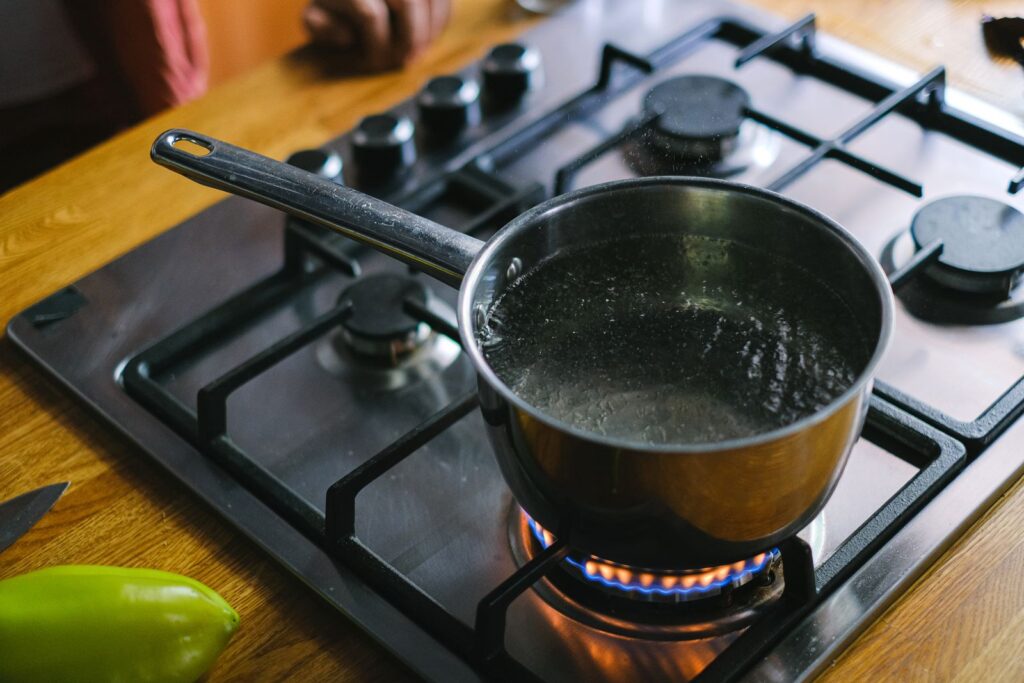
Step 3: Bring it to a full rolling boil
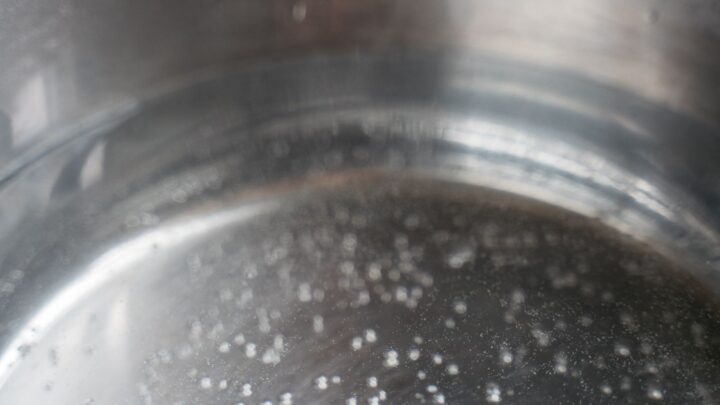
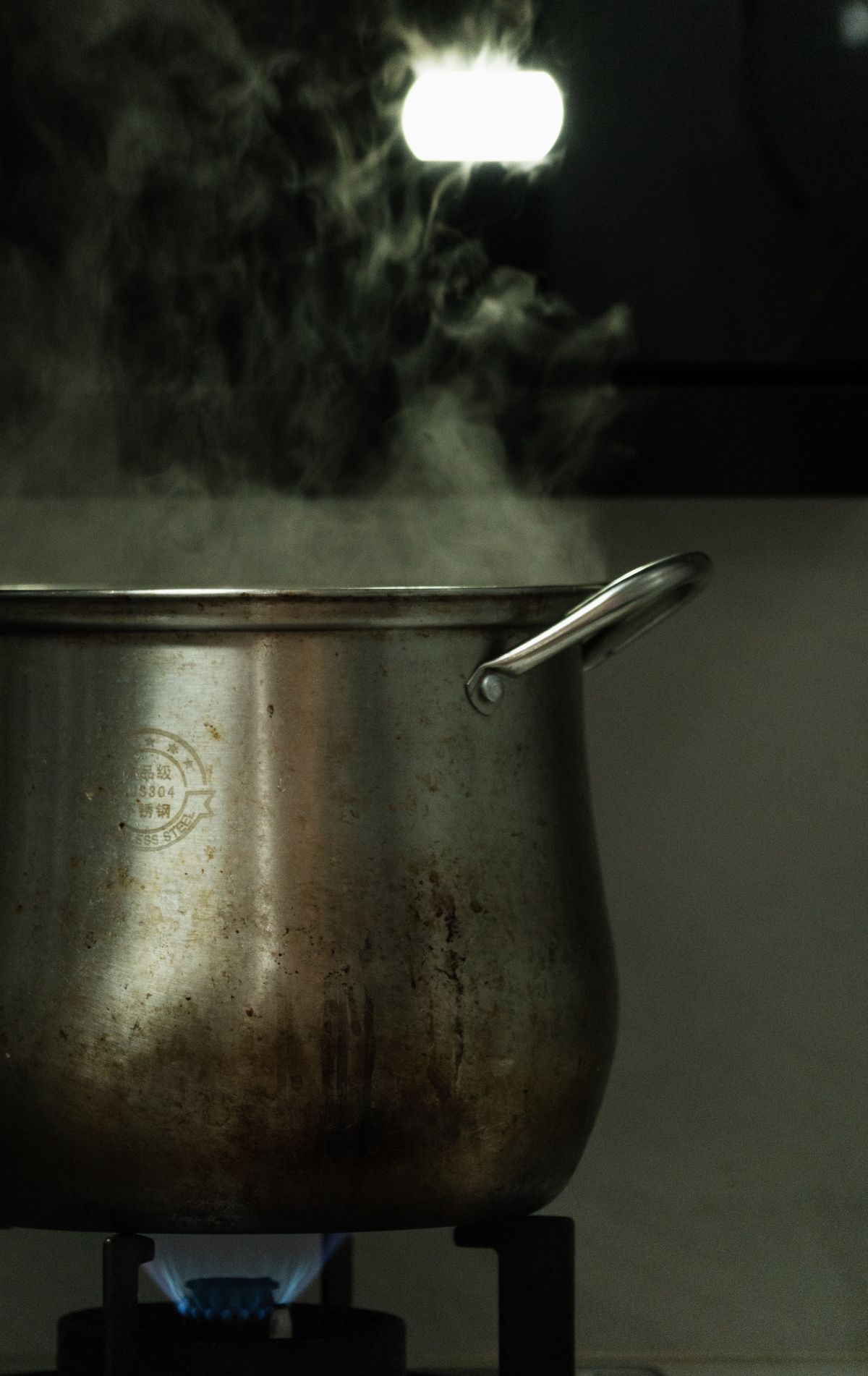
Heat the water until it reaches a rolling boil. A rolling boil means large bubbles are rising and breaking at the surface continuously, and stirring the water does not stop the bubbling. Small bubbles on the bottom of the pot or wisps of steam are not enough.
Step 4: Keep it boiling for one minute
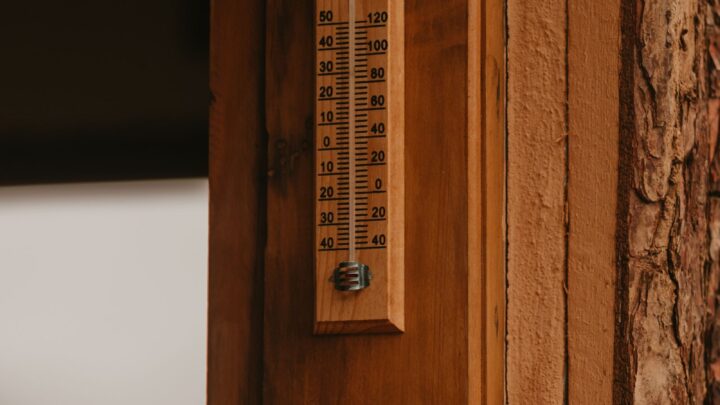
Once the rolling boil starts, keep it going for one full minute. If you live at an elevation above 6,500 feet (about 2,000 meters), boil for three minutes, because water boils at a lower temperature at high altitude. We explain why in what temperature water boils at.
Step 5: Let it cool naturally
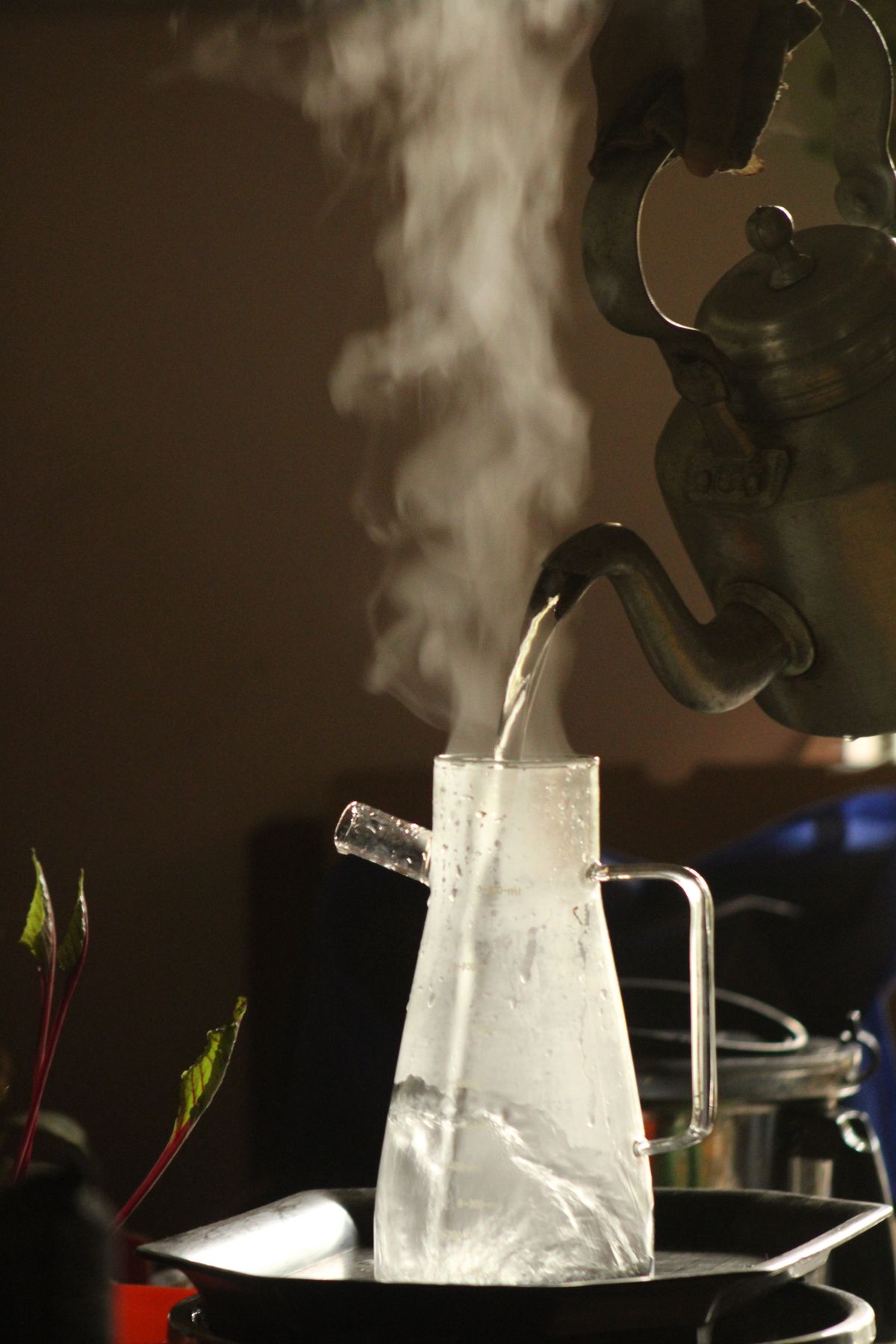
Turn off the heat and let the water cool with the lid on. Do not add ice to speed it up unless the ice was made from boiled or bottled water. Placing the pot in a sink of cold water, or dividing the water into smaller containers, helps it cool faster.
Step 6: Store it in clean, covered containers
Pour the cooled water into clean containers with lids. Glass jars, food-grade plastic pitchers and clean water bottles all work. Clean the containers first with hot, soapy water. If you want an extra margin of safety, rinse them with boiled water.
Step 7: Label and refrigerate
Keep boiled water in the refrigerator if you can, and label it so nobody confuses it with tap water. Use a clean ladle or pour it out rather than dipping cups into the container, which can introduce germs.
Does an electric kettle work?
Yes. An electric kettle is one of the easiest ways to boil water during an advisory. Most kettles switch off automatically right as the water reaches a boil, which is shorter than the one-minute guideline. To be safe, either switch the kettle back on after it clicks off so the water boils a little longer, or simply let it run through two boil cycles. Water from a kettle that has reached a full boil is very hot for several minutes afterward, which adds extra germ-killing time.

Can you boil water in the microwave?
You can, but it is not the best option. Microwaves heat unevenly and can superheat water past its boiling point without visible bubbles, which can cause it to erupt when disturbed. If you must use a microwave, follow the precautions in our guide to boiling water in the microwave.
How much water should you boil?
Plan on at least one gallon per person per day for drinking, cooking and brushing teeth. Families with infants, pets, or anyone who is ill will need more. Boiling one large pot in the morning and another in the evening is usually more practical than boiling small amounts all day. If you need large volumes, bottled water may be easier.
How long does boiled water stay safe?
Boiled water stored in a clean, covered container in the refrigerator is generally good for a few days. At room temperature in a closed container it should be used within about a day. If the water starts to look or smell odd, throw it out. Always boil a fresh batch rather than topping up an old container.
Setting up a household routine
The hardest part of a boil water advisory is not the boiling. It is remembering, several times a day, not to use the tap out of habit. A simple routine helps everyone in the house stay safe:
- Boil on a schedule. Boil a large pot each morning and evening so there is always cooled water ready.
- Mark the taps. Tape a note or a piece of painter’s tape over the kitchen and bathroom faucets as a reminder.
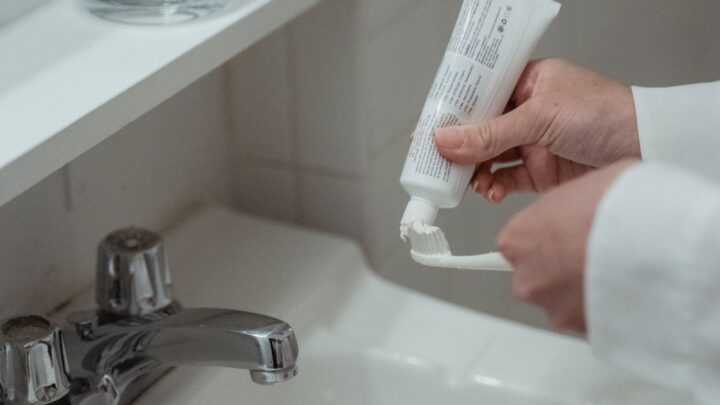
- Keep a toothbrushing cup in each bathroom filled with boiled or bottled water.
- Tell guests and children. Visitors, babysitters and kids are the most likely to forget.
- Plan meals that need less water for a few days, such as foods that do not require rinsing.
Making boiled water taste better
Boiled water can taste flat because boiling drives off dissolved air. To improve the taste, pour it back and forth between two clean containers a few times, or leave it in a partly filled covered bottle and shake it. A pinch of salt per quart also helps some people, though it is not necessary.
When you cannot boil water
If the power is out and you have no gas stove or camp stove, use bottled water first. If no bottled water is available, you can disinfect clear water with plain, unscented household bleach. The usual guidance is 8 drops (about 1/8 teaspoon) of 6 percent bleach per gallon, stirred and left for 30 minutes before use. Our guide to disinfecting water with bleach covers the details and safety warnings.
Safety tips while boiling water
- Keep children away from the stove and from cooling pots of hot water.
- Turn pot handles inward so they cannot be knocked.
- Never use a camp stove, grill or generator indoors. They produce carbon monoxide.
- Allow water to cool before pouring it into plastic containers that are not heat-safe.
Quick checklist
- Filter or settle cloudy water.
- Bring water to a full rolling boil.
- Boil for one minute, or three minutes above 6,500 feet.
- Cool it with the lid on.
- Store it in clean, covered, labeled containers.
- Refrigerate and use within a few days.
Boiling water is a small chore that reliably protects your household during an advisory. Set up a routine on day one, keep a labeled pitcher in the fridge, and check our boil water advisory map for updates on when your notice is lifted.