Can You Shower During a Boil Water Advisory? Bathing Safety Guide
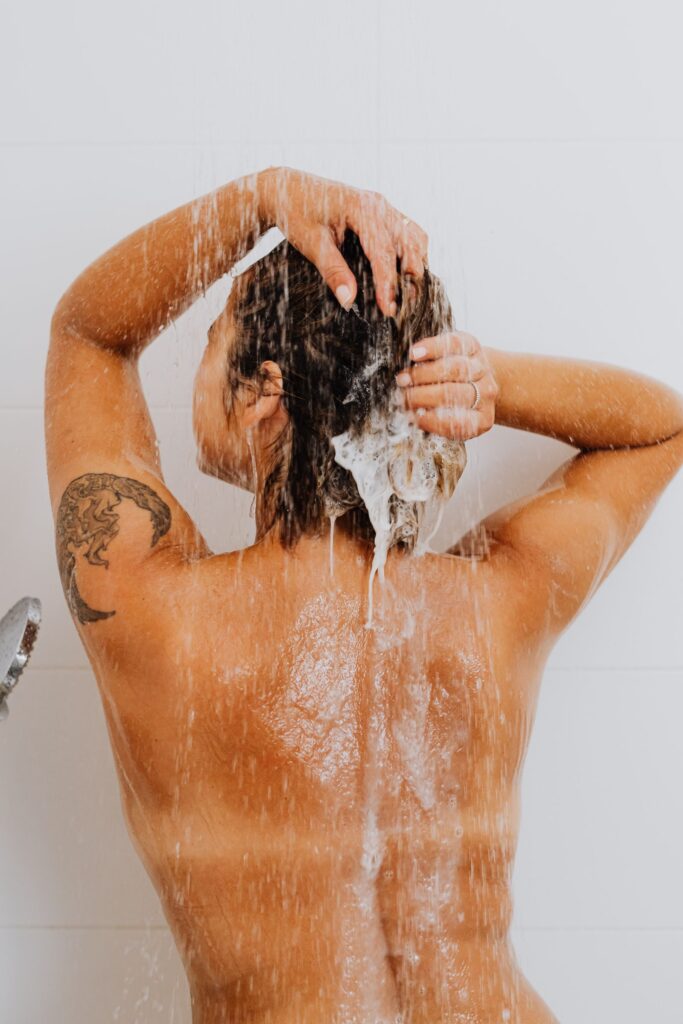
One of the most common questions during a boil water advisory is whether it is safe to take a shower. The good news is that for most people, the answer is yes. The germs that trigger boil water advisories cause illness mainly when they are swallowed, not when they touch healthy skin.
According to guidance from the U.S. Centers for Disease Control and Prevention (CDC), you can shower and bathe during a boil water advisory, but you should be careful not to swallow any water. Some people, including babies, young children and people with weakened immune systems, need extra precautions. This guide explains who can shower, how to do it safely and when to use a sponge bath instead.
Why showering is usually safe
Boil water advisories are issued because bacteria, viruses or parasites may be in the drinking water. These organisms typically cause stomach and intestinal illness after they are swallowed. Intact skin is an effective barrier, so contact with the water during a shower is very unlikely to make a healthy adult sick.
The main risk is accidental swallowing: water running down your face into your mouth, rinsing your mouth out of habit, or a child drinking bathwater. That is why the advice focuses on keeping water out of your mouth.

How to shower safely during a boil water advisory
- Keep your mouth closed under the shower stream.
- Face away from the spray when rinsing your hair, or tilt your head back.
- Do not rinse your mouth with shower water.
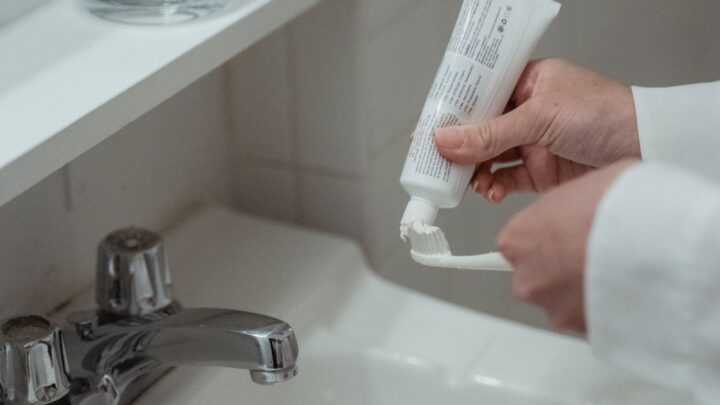
- Brush your teeth separately, using boiled or bottled water. See brushing teeth during a boil water advisory.
- Keep showers short if you are worried about accidental exposure.
- Avoid getting water in open wounds or cover them with a waterproof bandage.
Babies and young children
Children are much more likely to swallow bathwater, whether by accident or on purpose. For that reason, the CDC suggests taking extra care:
- Infants: give a sponge bath using water that has been boiled and cooled to a comfortable temperature, or bottled water. Avoid immersing babies in a tub of tap water.
- Toddlers and young children: supervise closely. A quick sponge bath or a short shower with a handheld sprayer, kept away from the face, is safer than a long bath with toys and cups.
- Remove bath toys that encourage children to fill and drink from them.
- Use a washcloth dampened with boiled water for washing faces.
Because boiled water must be cooled, prepare it ahead of time. A pot boiled in the morning will be lukewarm by afternoon bath time. Test the temperature on the inside of your wrist before using it on a baby.

People with weakened immune systems
If you have a weakened immune system, a chronic illness, recent surgery, or are receiving treatments such as chemotherapy, talk to your health care provider about bathing during an advisory. Some providers recommend sponge baths with boiled water for people at high risk, especially if the advisory is due to confirmed contamination rather than a precaution.
Open wounds, surgery sites and medical devices
Germs in contaminated water can cause infection if they enter broken skin. Take precautions if you have:
- Fresh cuts, scrapes or burns
- Recent surgical incisions
- Catheters, feeding tubes, ports or other medical devices
- Skin conditions that cause open sores
Cover wounds with waterproof dressings, keep them out of the spray, or clean around them with boiled water. Follow any specific instructions from your surgeon or care team.
Can you take a bath?
Adults can bathe as long as they do not swallow the water. Baths increase the chance of water reaching the face, so many people prefer a shower during an advisory. If you take a bath, avoid submerging your head and do not let children play in or drink the water.
What about hot tubs and pools?
Home hot tubs and pools filled from the tap are generally treated with their own disinfectant, but the safest choice is to avoid filling or topping them up during an advisory. If you must add water, make sure the disinfectant level is correct before anyone uses it. Public pools are managed by their operators and local health departments, which will advise whether they stay open.
Does hot shower water kill germs?
No. A shower is usually between 100 and 110°F, and home water heaters are typically set to about 120°F. That is much cooler than boiling. Hot water from the shower should be treated as unsafe to drink.
Shaving, washing your face and contact lenses
- Shaving: shaving in the shower is fine for most adults, but be careful of nicks. Rinse small cuts with boiled water.
- Washing your face: keep your mouth closed and avoid getting water in your eyes if you have an eye infection or recent eye surgery.
- Contact lenses: never rinse lenses or cases with tap water, even when there is no advisory. Use fresh solution only. Wash your hands with soap and dry them thoroughly before handling lenses.
Older adults and caregivers
Older adults who need help bathing can usually shower as normal, but caregivers should take a few extra steps. Use a handheld shower head to keep water away from the face, have a cup of boiled or bottled water nearby for rinsing the mouth, and check for skin tears or pressure sores that should be kept dry or cleaned with boiled water. For people in assisted living or home health care, follow the facility’s or agency’s advisory procedures.
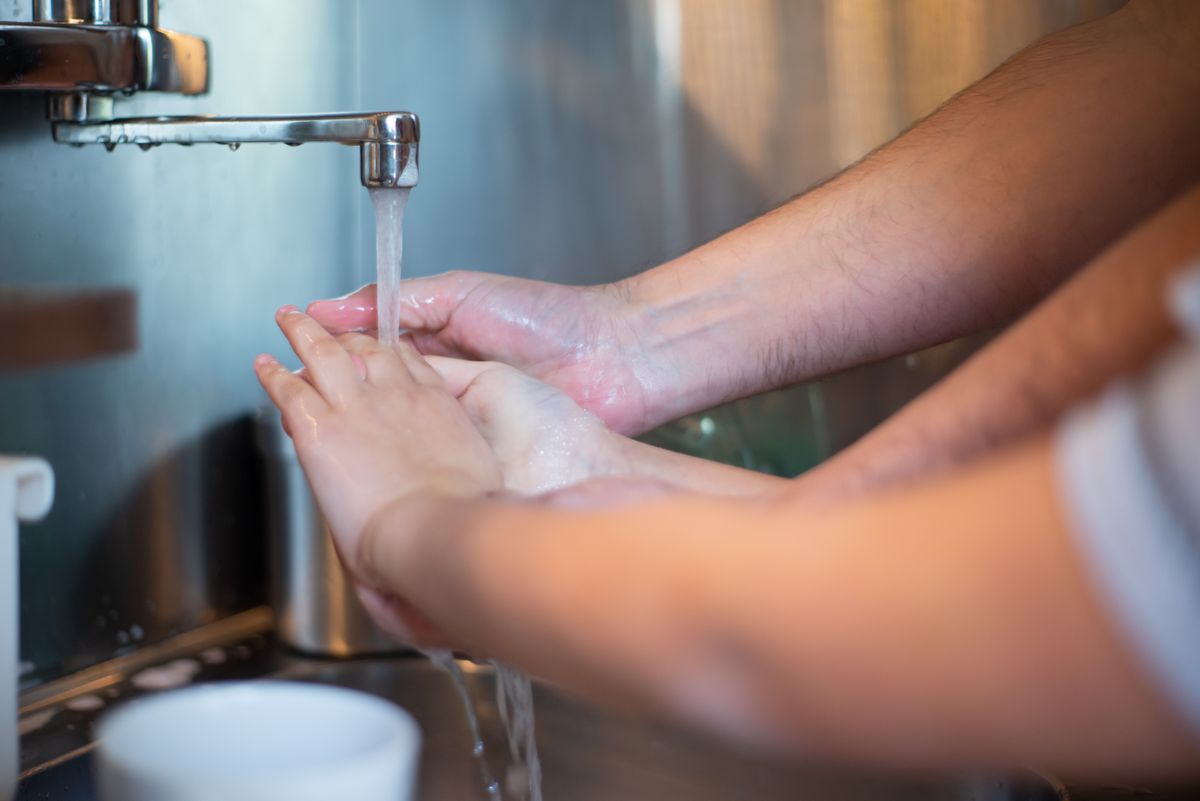
Hand washing after the shower
In most cases, washing your hands with soap and tap water is fine during a boil water advisory, unless your local health officials say otherwise. If they recommend extra precautions, use boiled water or an alcohol-based hand sanitizer with at least 60 percent alcohol. Our hand washing guide explains when sanitizer is appropriate.
When the advisory is lifted
After the utility announces that the advisory is over, flush your plumbing before going back to normal habits. Run the shower and bathtub taps along with the kitchen and bathroom faucets for several minutes to clear water that sat in the pipes during the advisory. Our checklist on what to do after a boil water advisory is lifted covers every fixture and appliance.
Common questions
Can I wash my hair?
Yes. Tilt your head back or face away from the spray so water does not run into your mouth.
Is it safe to shower if the water looks cloudy or brown?
Discolored water often follows main breaks and repairs and usually comes from sediment stirred up in the pipes. It is generally not harmful on skin, but it can stain laundry. Run the cold tap until it clears, and call your utility if it does not.
Can my pet get a bath?
Yes, as long as the animal does not drink the water. Give pets boiled or bottled water to drink. See pets during a boil water advisory.
Summary
Showering during a boil water advisory is safe for most adults as long as you keep water out of your mouth. Give infants sponge baths with boiled, cooled water, supervise young children closely, protect open wounds, and check with your health care provider if your immune system is weakened. Brush your teeth with boiled or bottled water, and keep an eye on the boil water advisory map for the notice that the advisory has been lifted.