How Long Do Boil Water Advisories Last? Typical Timelines Explained

When a boil water advisory begins, the first question most people ask after "is my water safe?" is "how long will this last?" Families need to plan meals, buy water, and figure out how to handle school lunches, baby bottles and the morning coffee.
The honest answer is that most boil water advisories last between one and three days, but some last a week or more, and advisories after major disasters can last for weeks. This article explains the steps a utility must complete before it can lift an advisory, why lab testing sets the minimum timeline, and the factors that make some advisories much longer than others.
The typical timeline
For a common precautionary advisory after a water main break, the sequence often looks like this:
| Stage | Typical time |
|---|---|
| Break discovered, area isolated, advisory issued | Hours |
| Repair completed | A few hours to a day |
| Pressure restored and lines flushed | A few hours |
| First set of water samples collected and incubated | About 18 to 24 hours |
| Second set of samples collected (if required) and incubated | Another 18 to 24 hours |
| Results reviewed and advisory lifted | Hours |
| Total | About 1 to 3 days |
Small repairs with quick lab results may be lifted in about 24 to 48 hours. If the repair is complicated, or a sample tests positive and must be repeated, it takes longer.
Why testing takes so long
Water is tested for total coliform bacteria and E. coli using methods approved by the U.S. Environmental Protection Agency. Common methods require the sample to incubate for about 18 to 24 hours so any bacteria present can grow to a detectable level. There is no instant test that is approved for this purpose in routine regulatory use.
Many state drinking water programs also require two consecutive sets of clean samples, collected at least about 24 hours apart, before an advisory can be lifted. This guards against a false sense of security from a single lucky result. Two rounds of testing alone push the timeline to around two days.
Our guide to E. coli and coliform in drinking water explains what these tests look for.
What makes an advisory last longer
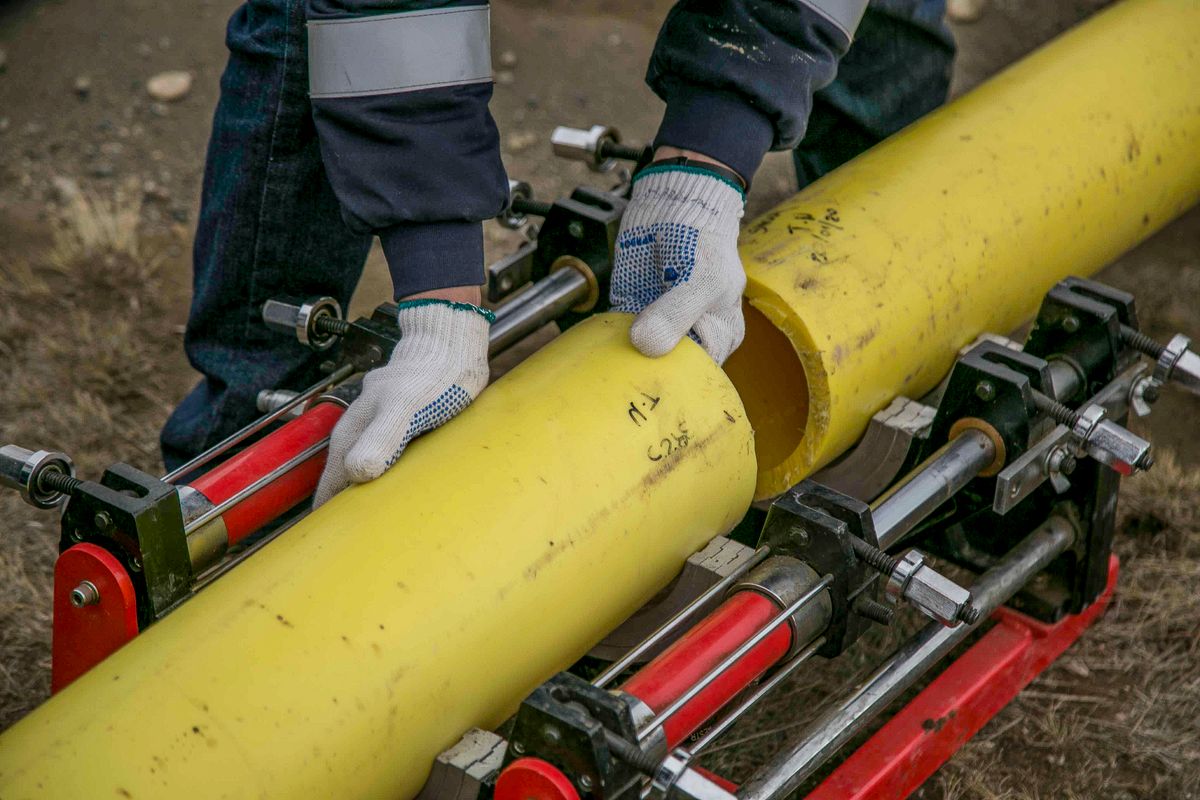
A complicated or large repair
Large mains, breaks under highways or rivers, and repairs that need special parts can take days. The advisory cannot be lifted until the repair is complete and the system is restored.
Positive test results
If a sample comes back positive for coliform or E. coli, the utility must investigate, flush and disinfect further, and then resample. Each round adds at least a day. A precautionary advisory may also be upgraded to a mandatory one. See precautionary vs. mandatory advisories.
Large affected areas
When an advisory covers a whole city, the utility must collect samples from many locations throughout the system. Flushing an entire network takes longer than flushing a few blocks.
Treatment plant failures
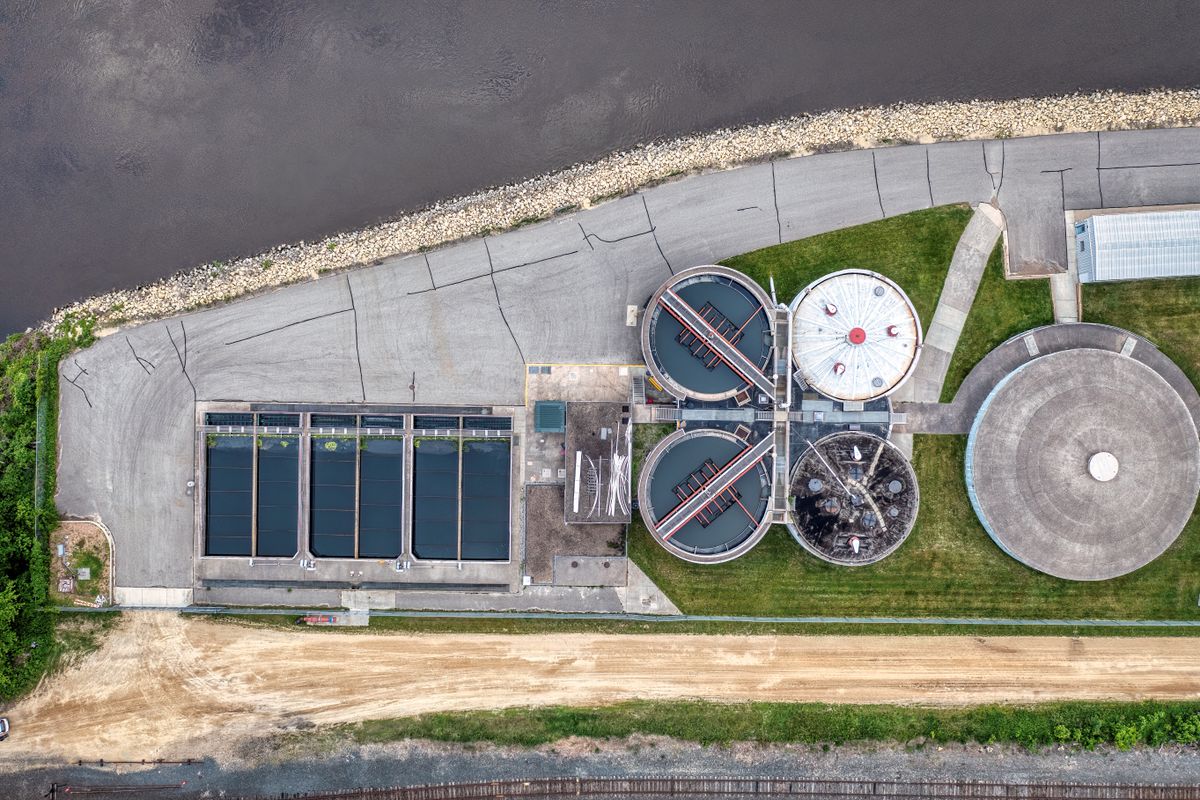
If the problem is at the treatment plant, such as equipment failure or a loss of disinfection, the plant must be repaired and proven to work reliably before the advisory can end. These advisories can last a week or more.
Natural disasters
Hurricanes, floods, wildfires and severe freezes can damage treatment plants, pump stations and many miles of pipe at once. They may also knock out power for days. In these situations, advisories can last weeks. Read more about advisories after hurricanes and floods and winter storms and frozen pipes.
Staffing and lab capacity
Small systems with few staff, or areas where many systems are affected at once, can face delays in collecting samples and getting results from certified labs.
Examples of advisory lengths
| Situation | Typical duration |
|---|---|
| Small main break, a few streets | 1 to 2 days |
| Planned maintenance with shutdown | 1 to 3 days |
| Pressure loss across a neighborhood | 2 to 3 days |
| Positive E. coli result, follow-up needed | 3 to 7 days |
| Treatment plant problem | Several days to weeks |
| Hurricane, major flood or citywide freeze | Days to several weeks |
Some of the longest advisories in recent U.S. history followed system failures and disasters. In 2021, a severe winter storm left millions of Texans under boil water notices, some for more than a week. In 2022, Jackson, Mississippi, lived under a citywide boil water notice for several weeks after its treatment plant failed. After Hurricane Helene in 2024, parts of western North Carolina went weeks without safe tap water.
Why utilities do not lift advisories early
Lifting an advisory too soon puts people at risk. Utilities follow state rules and wait for lab confirmation even when repairs look complete and the water looks clear. Germs are invisible, and clear water is not proof of safety.
Living with a long advisory
When an advisory stretches past a few days, the small inconveniences add up. A few habits make a long advisory easier to manage:
- Batch your boiling. Boil large pots twice a day instead of small amounts whenever someone is thirsty.
- Rotate containers. Keep one set of labeled pitchers in the fridge while another set is being filled and cooled.
- Plan meals that use less water and fewer dishes, such as sheet-pan dinners and foods that need no rinsing.
- Watch your budget. Bottled water costs add up over weeks. Use bottled water for drinking and formula, and boiled water for everything else.
- Look after your mental load. Long advisories are stressful. Share tasks among household members and check in on older neighbors who may need help carrying water.
- Keep records. Save receipts for bottled water and note the dates. Some utilities and local governments offer bill credits or reimbursement after major disruptions.
How you will know it is over
The utility will announce that the advisory has been lifted or rescinded through the same channels it used to issue it: alerts, website, social media, news and sometimes door hangers. Make sure the announcement includes your area. Our guide on checking whether an advisory is still in effect explains how.
Planning for different lengths
For a one- to three-day advisory
- Buy a few gallons of bottled water for drinking and formula.
- Boil water for cooking, pets and brushing teeth.
- Use paper plates if you want to reduce dishwashing.
For a longer advisory
- Set up a boiling routine morning and evening.
- Set aside a labeled supply of safe water in each bathroom.
- Sanitize dishes with a bleach rinse; see washing dishes during an advisory.
- Check for water distribution sites if supplies run low.
- Keep an eye on vulnerable family members and neighbors.
What to do when it ends
Do not go straight back to the tap. Flush your plumbing, clear the ice maker and replace filters. Our after-advisory checklist walks you through every step.

Frequently asked questions
Why did my advisory last longer than my neighbor’s?
You may be in different pressure zones or repair areas, or samples from your area may have needed retesting.
Can I call the utility to get an estimate?
Yes. Customer service can often tell you where the process stands, such as whether samples have been collected.
Is a longer advisory more dangerous?
Not necessarily. It may simply reflect a larger repair or extra testing. But longer advisories are more likely to involve confirmed problems, so follow them carefully.
Summary
Most boil water advisories last one to three days because repairs, flushing and two rounds of lab testing take time. Advisories can last much longer after positive tests, treatment failures and natural disasters. Follow the notice until your utility officially lifts it, then flush your plumbing before using tap water normally. Track advisories in your area on the boil water advisory map.