Boil Water Advisories for Restaurants and Food Businesses
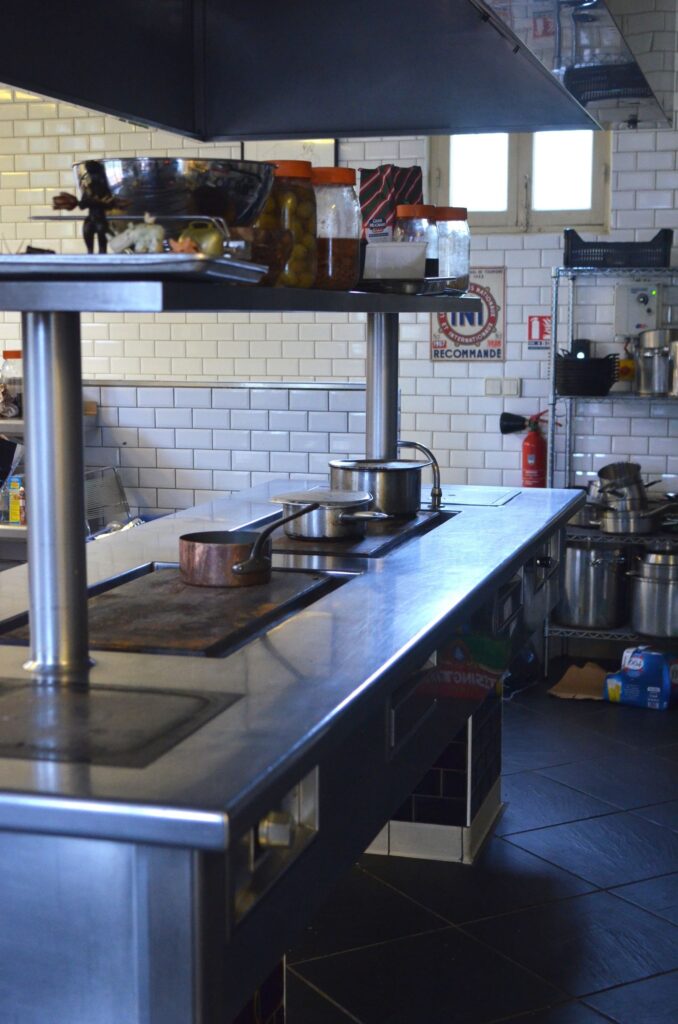
For restaurants, cafes, bars, food trucks and other food businesses, a boil water advisory is more than an inconvenience. Water touches almost everything a kitchen does: drinks, ice, food preparation, cooking, hand washing and dishwashing. Getting it wrong can make customers sick and lead to closures by the health department.
This guide outlines the steps food businesses commonly take during a boil water advisory, based on general food safety and public health guidance. Your local health department’s instructions take priority. Many health departments publish specific boil water checklists for food establishments, and some require businesses to close if they cannot meet the requirements.
First steps when an advisory is issued
- Confirm the advisory applies to your address.
- Contact your local health department for its requirements, or check its website.
- Brief all staff immediately, including front-of-house staff who serve water and ice.
- Post signs at sinks, ice machines, beverage stations and in the kitchen.
- Decide whether you can operate safely, or whether to close or limit your menu.
Drinks and ice
- Stop serving tap water. Use commercially bottled water, or water that has been boiled for at least one minute and cooled.
- Discard all ice made after the problem began.
- Turn off and disconnect ice machines connected to the water supply. Use commercially bagged ice from an approved source not affected by the advisory.
- Turn off plumbed beverage equipment, including soda fountains, tea brewers, coffee machines, espresso machines and water dispensers, unless the manufacturer and health department confirm they are acceptable.
- Use bottled or canned beverages, or drinks made with bottled or boiled water.
Coffee makers and espresso machines do not keep water at a rolling boil long enough to disinfect it. See coffee makers, ice makers and fridge dispensers.
Food preparation
- Use bottled or boiled water for any water that becomes part of food without being boiled for at least one minute, such as cold sauces, salad dressings, batters and doughs.
- Wash produce with bottled or boiled water, or use pre-washed produce from an approved source.
- Food cooked by boiling for at least one minute can be prepared with tap water, but many operators choose to use safe water for everything to reduce confusion.
- Thaw frozen foods in the refrigerator rather than under running tap water.
- Discard food prepared with tap water after the advisory began, if it was not cooked to boiling.
Hand washing
Hand washing is essential in food service. Requirements during advisories vary by jurisdiction. Some health departments allow employees to wash hands with soap and tap water during a precautionary advisory, while others require using boiled or bottled water, or using hand sanitizer after washing. Common approaches include:
- Washing with soap and water, then using an approved hand sanitizer
- Setting up temporary hand washing stations with insulated containers of safe water, a spigot, soap, paper towels and a catch bucket
- Using gloves properly, which never replaces hand washing
Follow your health department’s specific instructions. See also our general guide to hand washing during a boil water advisory.
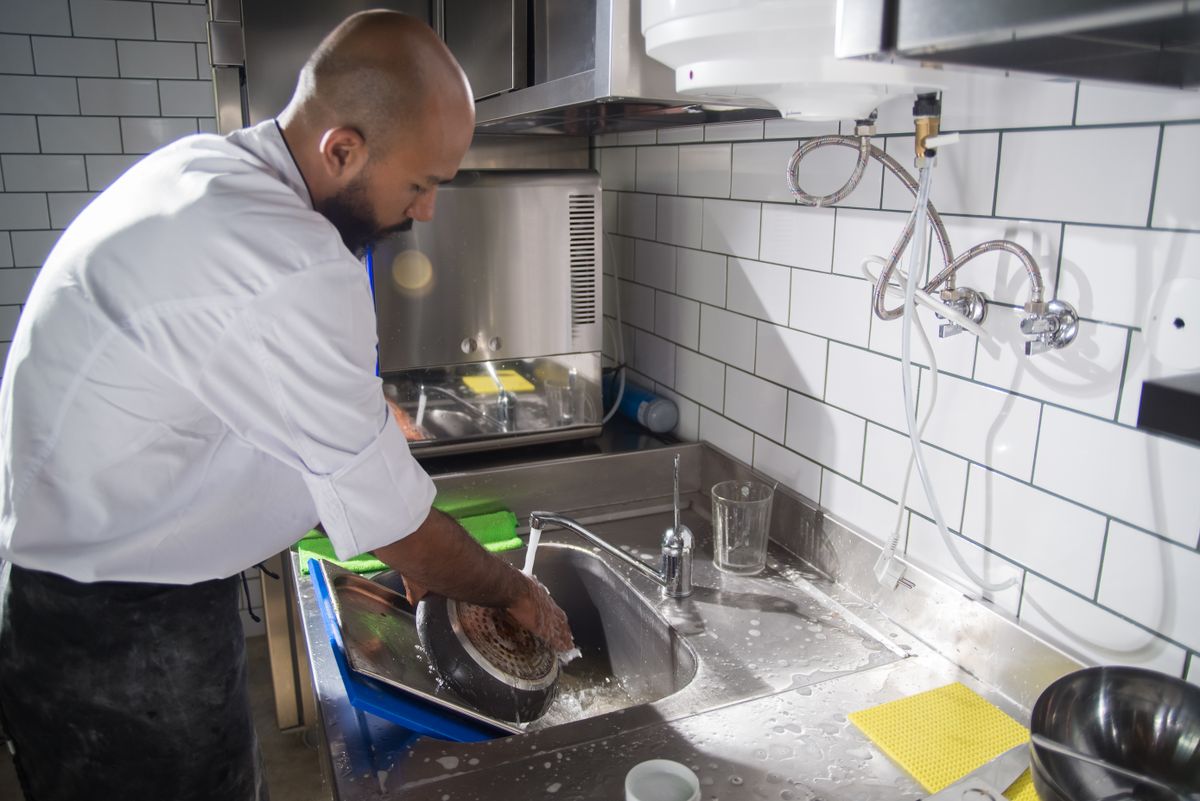
Dishwashing and sanitizing
- Commercial dishwashing machines that sanitize with high temperature or chemicals and are working properly can often be used. Check that final rinse temperatures or sanitizer concentrations meet requirements.
- Three-compartment sinks can be used if the sanitizing step is done correctly with an approved sanitizer at the proper concentration and contact time.
- Use single-use plates, cups and utensils if you cannot sanitize properly.
- Air dry washed and sanitized items.
Equipment to check
- Ice machines
- Soda fountains and beverage guns
- Coffee, tea and espresso machines
- Water filters and softeners
- Steamers and combination ovens with water lines
- Misters for produce displays
- Dipper wells for ice cream scoops, which often run continuously with tap water
Should you close?
Some businesses can operate safely with bottled water, single-use items and a limited menu. Others, especially those that rely heavily on water, choose to close temporarily. Health departments may require closure if a business cannot provide safe water for drinking, food preparation and hand washing. When in doubt, ask.
Reopening after the advisory is lifted
When the advisory is lifted, flush and clean before resuming normal operations:
- Flush all water lines by running cold water taps for several minutes, starting nearest the water entry point.
- Flush hot water lines and follow the manufacturer’s guidance for water heaters.
- Clean and sanitize ice machines, discard ice, and replace filters according to the manufacturer’s instructions.
- Flush beverage lines for soda, coffee, tea and water dispensers, and replace filters.
- Clean and sanitize sinks, prep areas and equipment that used water.
- Replace water filters on all equipment.
- Run dishwashing machines through a cycle.
- Document the steps taken.
Your health department may have a detailed reopening checklist. See also our household after-advisory checklist.
Special types of food businesses
Food trucks and mobile vendors
Food trucks usually fill their onboard water tanks from a commissary or approved source. If that source is under an advisory, do not fill tanks from it. Use bottled water or water from an unaffected approved source, and sanitize tanks before refilling after the advisory ends.
Bakeries and coffee shops
Bakeries use water in doughs, batters and glazes that may not reach boiling, so use bottled or boiled water for these. Coffee shops are among the most affected businesses because their core products depend on plumbed water; many switch to bottled water for brewing or temporarily close their espresso bars.
Grocery stores and delis
Produce misters, deli slicer cleaning, ice for seafood displays and in-store water refill machines all need attention. Turn off misters and refill stations, use bagged ice from an unaffected source, and follow the same hand washing and sanitizing steps as restaurants.
Child care centers, schools and senior care kitchens
Facilities serving young children and older adults serve the most vulnerable people. They often receive direct instructions from health departments and should follow them closely, including providing bottled water for drinking and formula.
Communicating with customers
- Tell customers that you are following the advisory and serving bottled or boiled water.
- Post a simple sign at the entrance or on the menu.
- Train staff to answer questions about water and ice.
Customers often check social media to see which businesses are open during a large advisory, so clear communication helps.
Planning ahead
Food businesses should include boil water advisories in their emergency plans:
- Keep a supply of bottled water and single-use items.
- Know how to shut off and bypass plumbed equipment.
- Keep a list of health department contacts.
- Train staff on advisory procedures.
- Keep a printed copy of your health department’s boil water checklist.

Frequently asked questions
Can we keep serving coffee?
Only if it is made with bottled water or water boiled for at least one minute, and the machine is not plumbed to the affected supply, or the health department approves.
Can we use our filtration system instead of boiling?
Usually not. Most commercial filters are not designed to remove bacteria and viruses. Ask your health department.
Do we have to throw away food made before the advisory?
Food prepared before the event that caused the advisory is generally fine. Food prepared with tap water after it began, without boiling, should be discarded.
Summary
During a boil water advisory, food businesses should stop serving tap water and ice, turn off plumbed beverage equipment, use bottled or boiled water for food preparation, follow local hand washing rules, sanitize dishes properly and post clear signs. When the advisory is lifted, flush every line, sanitize ice machines, replace filters and follow the health department’s reopening steps. Check the boil water advisory map for current notices.