What Is a Boil Water Advisory? Meaning, Causes and What to Do
If your phone just buzzed with an alert, a neighbor posted about it, or a door hanger showed up on your porch, you are probably asking the same question millions of Americans search every year: what is a boil water advisory, and is my water actually unsafe?
A boil water advisory is a public health message from your water utility or health department telling you to boil tap water before you drink it or use it in food. It is issued when there is a real chance that disease-causing organisms such as bacteria, viruses or parasites have entered the drinking water system. Until the advisory is lifted, boiling is the simplest reliable way to make the water safe to swallow.
This guide explains the meaning of a boil water advisory in plain language, the common reasons they are issued, who should take extra care, and what you should and should not do with your water while the notice is in effect.
The meaning of a boil water advisory in plain English
Public water systems are designed to keep germs out. Water is treated at a plant, disinfected, and then pushed through a sealed network of pipes under pressure. As long as the treatment works and the pressure stays high, contamination from the outside has a very hard time getting in.
A boil water advisory means one of those safeguards has failed or may have failed. The utility does not always know for certain that the water is contaminated. Often the notice is issued as a precaution, because waiting for lab results would leave people exposed for a day or more. In other cases, a routine test has already found a warning sign, such as E. coli bacteria, and the advisory is required by law.
Either way, the instruction is the same: do not drink the tap water, and do not use it to make food, ice, baby formula or drinks, unless you have boiled it first.
Why do utilities issue boil water advisories?
Most advisories are triggered by a short list of events. Knowing which one caused your notice can help you judge how long it may last.
Loss of water pressure
This is the most common cause. When pressure in the distribution system drops very low, water can be pulled backward into the pipes from soil, groundwater or cross-connections inside buildings. Many states treat a drop below about 20 pounds per square inch as a trigger for a precautionary advisory. Pressure loss happens during power outages at pump stations, heavy demand during heat waves, and fires that require large volumes of water.
Water main breaks and repairs
A broken main opens the system to the surrounding dirt and water. Crews also have to shut off and drain sections of pipe to fix it. When service is restored, the utility usually issues an advisory for the affected streets until test samples come back clean. You can read more in our guide to water main breaks and pressure loss.
Failed or positive bacteria tests
Utilities are required to test their water for coliform bacteria on a regular schedule. A positive result for E. coli, which signals possible fecal contamination, can lead directly to a mandatory boil water notice. We explain the testing in E. coli and coliform in drinking water.
Treatment problems and natural disasters
Equipment failures at the treatment plant, high turbidity (cloudiness) after heavy rain, floods that overwhelm wells and plants, hurricanes, and hard freezes that crack pipes can all lead to advisories, sometimes for entire cities at once.

Precautionary vs. mandatory notices
You may see the words precautionary, mandatory, advisory, notice or order. The labels vary from state to state, but the difference usually comes down to whether contamination has been confirmed.
- Precautionary boil water advisory: something happened that could allow contamination, such as a main break, but no test has confirmed germs in the water.
- Mandatory boil water notice or order: a test has found a contaminant like E. coli, or a treatment failure is serious enough that regulators require the notice.
In practice, you should follow both kinds in exactly the same way. Our article on precautionary vs. mandatory boil water advisories goes deeper into the wording.
Who is most at risk?
Most healthy adults who accidentally swallow a small amount of contaminated water will not become seriously ill, but some people can. Take extra care if your household includes:
- Infants and young children, especially babies on formula
- Pregnant people
- Older adults
- People with weakened immune systems, such as those receiving chemotherapy, living with HIV, or taking medicines that suppress immunity
- Anyone with a chronic illness who has been told to avoid infections
Waterborne illnesses often cause diarrhea, stomach cramps, nausea, vomiting and sometimes fever. If someone in your home develops these symptoms during or after an advisory, contact a health care provider and mention the boil water notice.
What to do during a boil water advisory
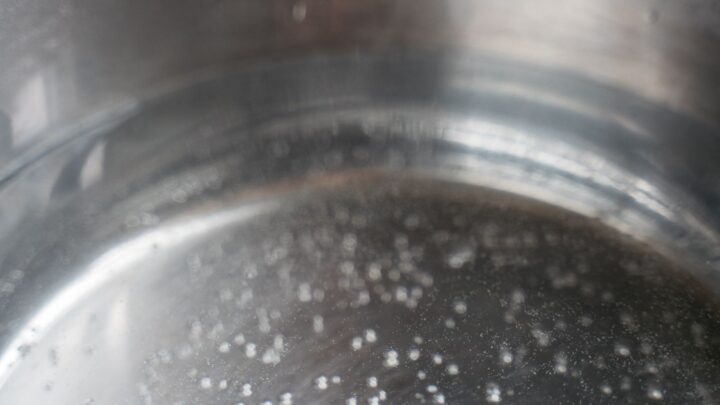
The core rule comes straight from the U.S. Centers for Disease Control and Prevention: bring water to a full rolling boil for one minute, then let it cool before using it. If you live above 6,500 feet, boil it for three minutes. Our step-by-step guide on how to boil water safely covers containers, cooling and storage.
Use boiled or bottled water for
- Drinking, including water for pets
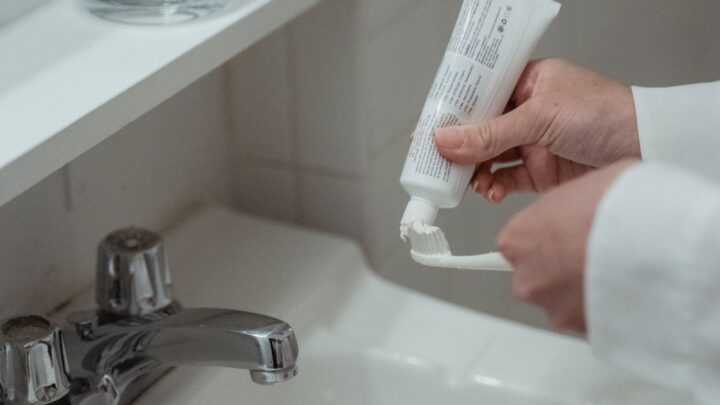
- Brushing teeth
- Making baby formula and juice
- Cooking, and washing fruits and vegetables you will eat raw
- Making ice, coffee, tea and other drinks
Tap water is generally fine for
- Showering and bathing for adults, as long as you avoid swallowing water. See can you shower during a boil water advisory.
- Washing laundry
- Flushing toilets
- Washing hands with soap, in most cases, unless your local officials say otherwise
Things people often forget
- Throw away ice made after the problem started, and turn off automatic ice makers.
- Do not use refrigerator water dispensers. Most built-in filters do not remove bacteria or viruses.
- Coffee makers do not get hot enough to disinfect water.
- Dishwashers are usually fine only if they have a sanitizing cycle or reach a high final rinse temperature. Our dishwashing guide explains the alternatives.

How long does a boil water advisory last?
Most advisories last somewhere between one and three days. After repairs are complete and pressure is restored, the utility flushes the lines and collects water samples. Bacteria tests typically need about a day to incubate, and many states require two rounds of clean results taken on separate days before a notice can be lifted.
Larger events can last much longer. Citywide failures at treatment plants, major freezes and hurricanes have kept some communities under notices for weeks. For a detailed breakdown, read how long boil water advisories last.
How to find out if an advisory affects you
Advisories are often limited to a few streets, a pressure zone, or one side of a city, so a notice in your town does not always include your address. Check these sources:
- Your water utility’s website, social media accounts and outage map
- Text, phone or email alerts from your utility or county emergency system, if you are signed up
- Your city or county health department
- Local TV and radio stations
- The boil water advisory map on this site, which collects active advisories across all 50 states and Washington, D.C.
If the information is unclear, call your water utility. The phone number is printed on your water bill.
What happens when the advisory is lifted?
When test results confirm the water is safe, the utility will announce that the advisory has been rescinded. Do not go straight back to normal. Flush your plumbing by running cold water taps for several minutes, discard ice, run your ice maker through a few cycles, and replace water filters as the manufacturer recommends. Our checklist on what to do after a boil water advisory is lifted walks through every appliance.
The bottom line
A boil water advisory is not a reason to panic, but it is a reason to change your routine for a few days. It tells you that the protections keeping germs out of your tap water may have been broken. Boil water for one minute before drinking or cooking with it, use bottled water when that is easier, take extra care with babies and anyone with a weak immune system, and watch for the official notice that the advisory has ended.
Keeping a few gallons of stored water at home makes the next advisory much less stressful. Our guide to emergency water storage shows how much to keep and how to store it safely.