Coffee Makers, Ice Makers and Fridge Dispensers During a Boil Water Advisory
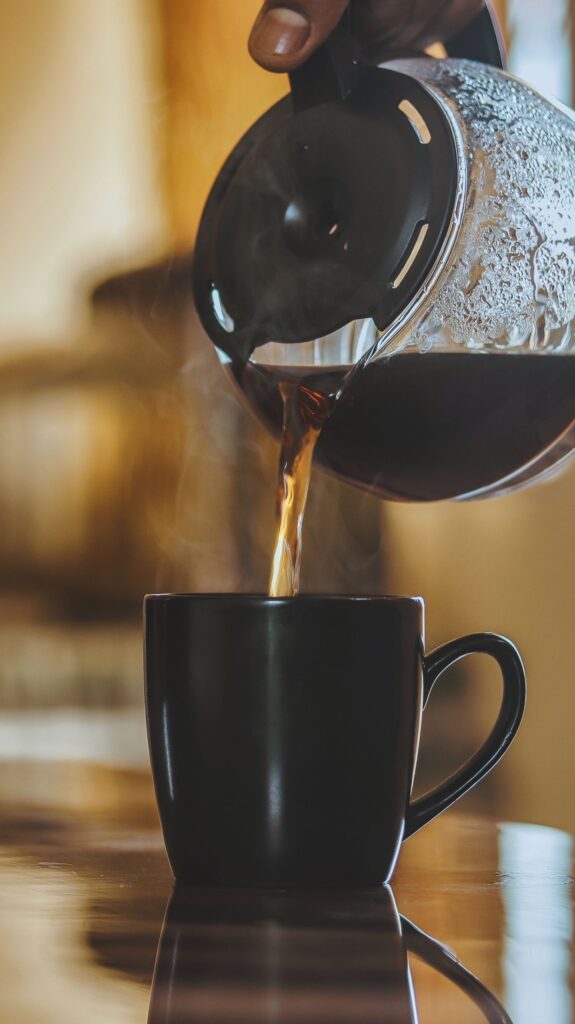
During a boil water advisory, most people remember not to drink straight from the tap. Appliances are where people slip up. The coffee maker is filled from the sink every morning, the refrigerator keeps making ice from the water line, and the door dispenser pours a cold glass of water without anyone thinking twice.
Each of these appliances uses tap water, and none of them reliably makes it safe. This guide explains what to do with coffee makers, espresso machines, ice makers, refrigerator dispensers and other water-using appliances during an advisory, and how to flush them when it is over.
Coffee makers
Why a coffee maker is not enough
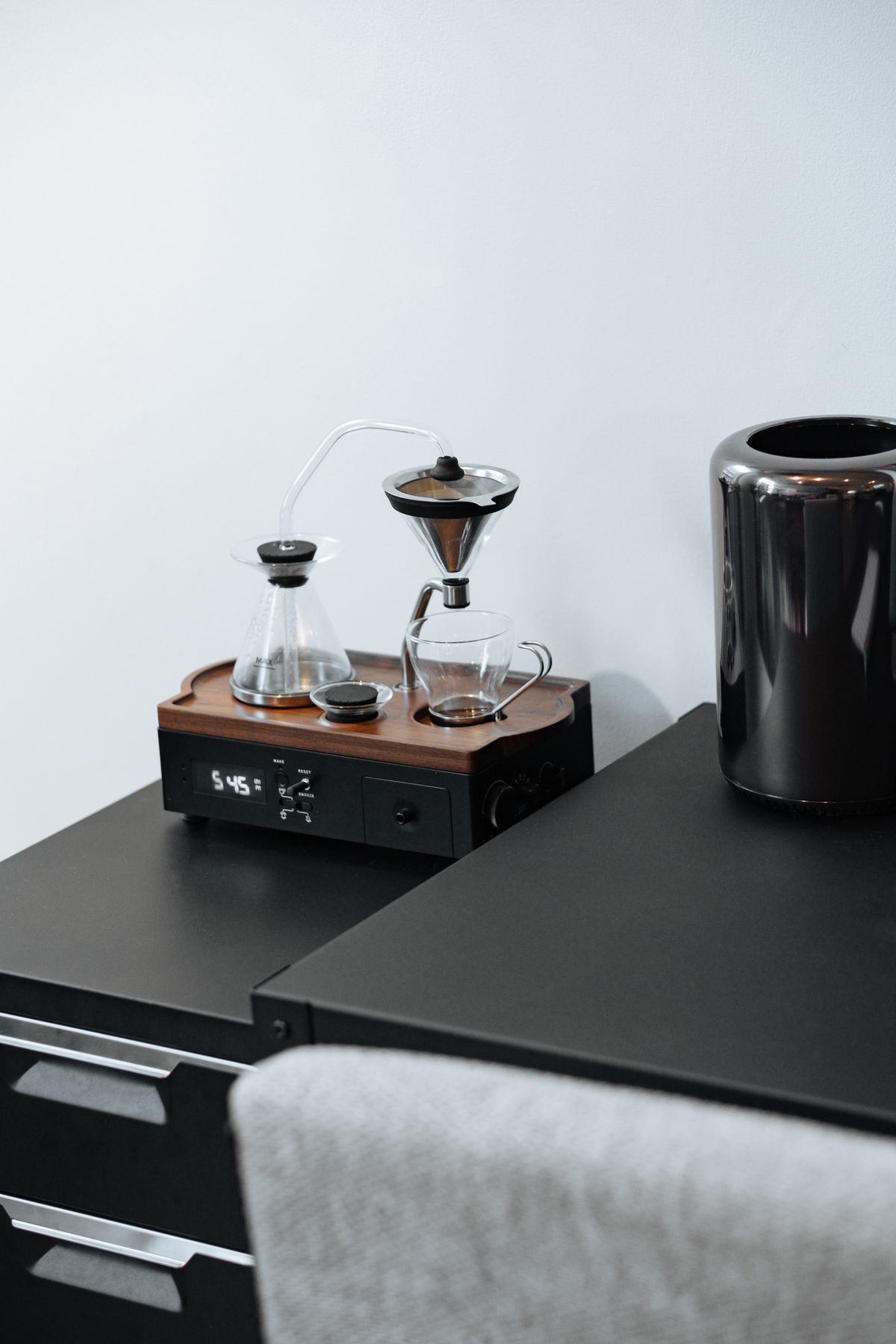
Drip coffee makers heat water to about 195 to 205°F as it passes through the machine. That sounds close to boiling, but the water is only at that temperature for a short time and does not reach a sustained rolling boil. Public health guidance requires a rolling boil for one minute to reliably kill germs. Coffee makers also hold water in internal tubes and reservoirs that can be contaminated.
What to do
- Use bottled water or water that has already been boiled and cooled to fill the reservoir.
- Or make coffee with a kettle, using a French press or pour-over, with water that has reached a full rolling boil.
- Do not brew with tap water, even if you plan to drink it hot.
Single-serve pod machines and espresso machines
Single-serve brewers and espresso machines draw from a reservoir and heat water in a small boiler or thermoblock. Like drip coffee makers, they do not hold water at a rolling boil long enough. Fill reservoirs only with bottled or boiled water. If your machine is plumbed directly to the water line, do not use it until the advisory is lifted.
Ice makers
Throw out the ice
Freezing does not kill germs. Ice made from contaminated water can make people sick when it melts into drinks. The CDC recommends that you:
- Throw away all ice made with tap water after the advisory was issued, and any made during the event that caused it, such as a main break.
- Turn off the automatic ice maker, or shut off its water supply, until the advisory is lifted.
- Make ice from bottled or boiled water in clean trays, or buy bagged ice from a source not affected by the advisory.
Cleaning ice bins
Empty the ice bin, wash it with warm soapy water, and sanitize it with a solution of about one tablespoon of unscented bleach per gallon of water. Rinse with boiled or bottled water and let it air dry.
Refrigerator water dispensers
Built-in refrigerator filters are typically designed to reduce chlorine taste and odor, sediment and sometimes lead or other chemicals. Most are not designed or certified to remove bacteria and viruses. Some are certified to reduce cysts such as Giardia and Cryptosporidium, but that does not cover bacteria and viruses.
During an advisory:
- Do not use the water dispenser unless the manufacturer specifically states it is certified to remove bacteria and viruses, and your utility says it is acceptable.
- Put a note or tape over the dispenser as a reminder.
Our guide to whether water filters make water safe explains filter certifications in more detail.
Other appliances that use water
- Instant hot water taps usually heat water to about 190°F and do not boil it. Do not use them for drinking.
- Water coolers that are plumbed into the water line should not be used. Bottle-fed coolers using sealed, store-bought jugs are fine.
- Sparkling water makers use tap water, so fill them only with boiled, cooled water or bottled water.
- Humidifiers can spray tiny droplets that people breathe in. Use distilled or boiled water if you need to run one.
- Baby formula machines should be filled only with bottled or boiled water.
Making safe ice at home
If you want ice during an advisory, it is easy to make your own safely:
- Wash ice cube trays with soap and water, then sanitize them with a dilute bleach solution or rinse them with boiled water.
- Fill the trays with bottled water or with water that has been boiled for one minute and cooled completely.
- Cover the trays or place them in a clean bag in the freezer.
- Store finished cubes in a clean, covered container labeled "safe ice," separate from any old ice.
Store-bought bagged ice is another option, as long as it was produced outside the advisory area or by a producer that confirms it is unaffected. Packaged ice companies are regulated as food manufacturers and many have their own water treatment, but it is reasonable to check during a large advisory.
Tea, cold brew and other drinks
- Tea: water from a kettle that has reached a full rolling boil is safe. Let the kettle boil a second time if it switches off at the first boil.
- Cold brew coffee and iced tea: make them only with bottled or boiled, cooled water, because the brewing never gets hot.
- Powdered drink mixes, juice concentrate and protein shakes: mix them with bottled or boiled, cooled water.
- Soda fountains and drink machines at home bars or offices that are connected to the water line should not be used.
In restaurants and offices
Businesses with plumbed coffee machines, soda fountains and ice machines should follow local health department instructions, which usually require turning these off during an advisory. Our restaurant guide covers the details.
How to flush appliances after the advisory
When your utility lifts the advisory, appliances that held contaminated water need flushing. A typical sequence:
Refrigerator and ice maker
- Flush household plumbing first by running cold water taps for several minutes.
- Run water through the refrigerator dispenser for about five minutes, or follow the manufacturer’s flushing instructions.
- Turn the ice maker back on and throw away the first three batches of ice.
- Wash and sanitize the ice bin.
- Replace the refrigerator water filter if the manufacturer recommends it, especially if the advisory was due to confirmed contamination.
Coffee makers
- Empty the reservoir.
- Run two or three full reservoirs of fresh tap water through the machine.
- Clean removable parts with soap and water.
- For plumbed machines, follow the manufacturer’s flushing instructions or call the service provider.
Water softeners, filters and other devices
Replace cartridges in pitcher filters, faucet filters and under-sink filters. Water softeners may need to run through a regeneration cycle. Follow the instructions in what to do after a boil water advisory is lifted.
A quick checklist
- Coffee maker: bottled or boiled water only
- Espresso and pod machines: bottled or boiled water only
- Ice maker: off; throw away existing ice
- Fridge dispenser: do not use
- Instant hot tap: do not use
- After the advisory: flush, discard three batches of ice, replace filters
Common questions
Is hot coffee safe if I brewed it with tap water before I heard about the advisory?
The risk from a single cup is low for most healthy adults, but do not drink more. Watch for stomach symptoms and contact a health care provider if they develop, especially for people at higher risk.
Can I keep using ice that was in the freezer before the advisory started?
Ice made before the event that caused the advisory is generally fine. If you are not sure when the problem began, throw it out to be safe.
Do I need a plumber to flush my fridge line?
No. Running the dispenser for several minutes and discarding the first few batches of ice is usually enough.
Summary
Coffee makers, ice makers and fridge dispensers do not make tap water safe. During a boil water advisory, fill coffee machines with bottled or boiled water, turn off the ice maker and throw out the ice, and do not use the fridge dispenser. When the advisory is lifted, flush each appliance, discard the first three batches of ice and replace filters. Check the boil water advisory map for updates.