Baby Formula During a Boil Water Advisory: A Safe Feeding Guide
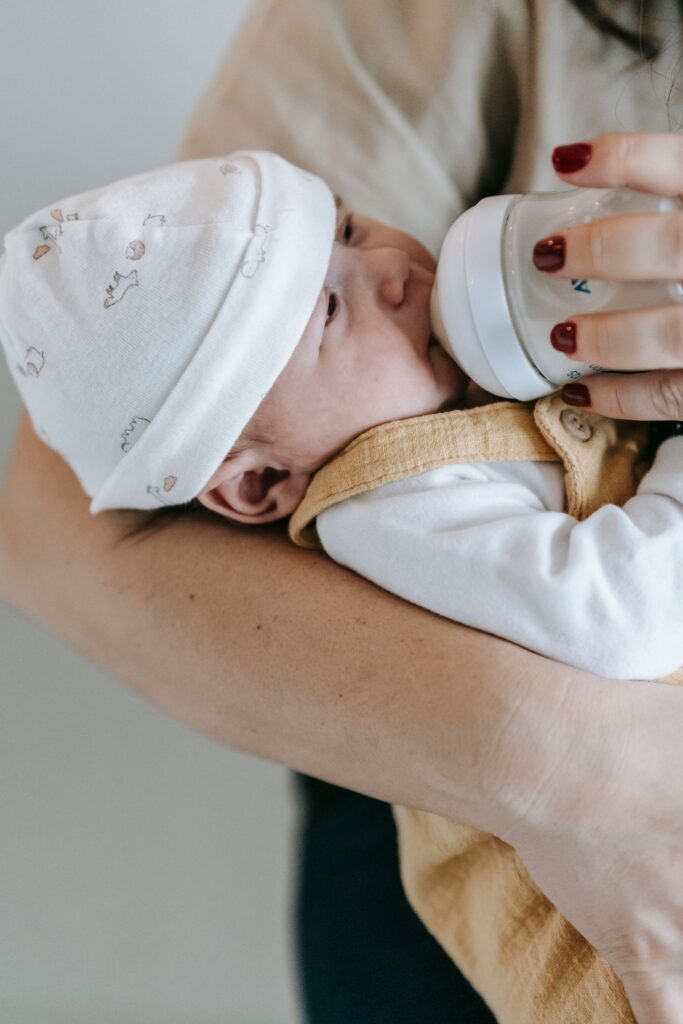
Babies are among the people most vulnerable to waterborne germs. Their immune systems are still developing, they drink a lot of fluid for their body size, and an episode of diarrhea or vomiting can dehydrate an infant quickly. That is why preparing formula correctly is one of the most important things a family can do during a boil water advisory.
This guide explains how to make formula safely, using guidance from the U.S. Centers for Disease Control and Prevention (CDC) and pediatric health organizations. It covers which water to use, how to boil and cool it, how to clean bottles, and what to do if you cannot boil water.
The short version
- Use bottled water or tap water that has been boiled for one minute (three minutes above 6,500 feet) and cooled.
- Ready-to-feed formula needs no water at all and is the simplest option during an advisory.
- Clean and sterilize bottles and nipples with boiled water or a sanitizing method, not plain tap water.
- Breastfeeding can continue normally. Breast milk is not affected by a boil water advisory.
Option 1: Ready-to-feed formula
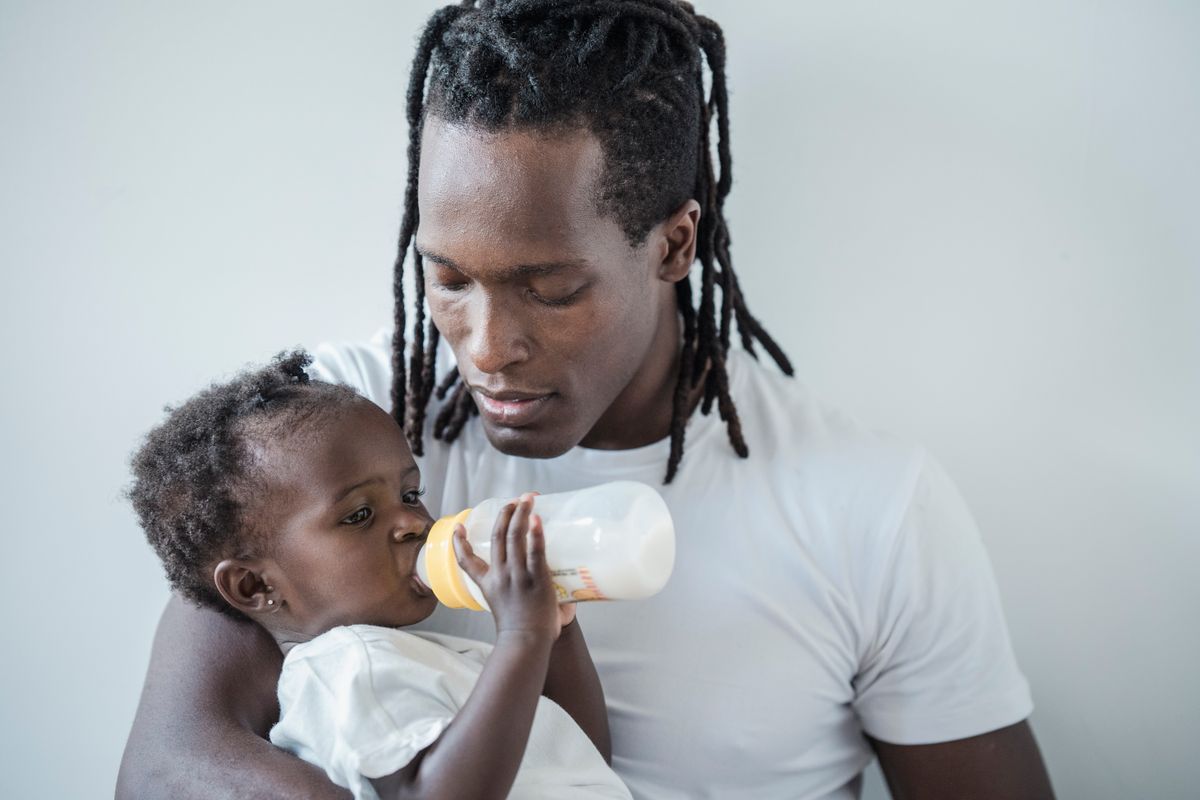
Ready-to-feed liquid formula comes already mixed and sterile in its container. You do not need to add any water, so it removes the biggest risk entirely. It is more expensive than powder, but for a short advisory, many parents find the convenience worth it. Once a container is opened, follow the label instructions for refrigeration and how long it can be kept.
Option 2: Powdered or concentrated formula with bottled water
If you use powdered or liquid concentrate formula, you can mix it with bottled water. A few points to keep in mind:
- Any bottled water labeled as drinking water can be used. Some bottled waters are marketed for infants, but they are not required.
- Check the fluoride content if you use bottled water for a long time. Pediatric guidance notes that using low-fluoride bottled water for some feedings can help reduce the risk of mild fluorosis (faint white marks on teeth) when formula is the baby’s main source of nutrition. This is not a concern for a short advisory, but ask your pediatrician if you have questions.
- Avoid mineral water and sparkling water, which may contain high levels of sodium or other minerals.
- Store opened bottles in the fridge and use them within the time printed on the label.
Option 3: Powdered formula with boiled tap water
If you do not have bottled water, you can prepare formula with boiled tap water.
- Boil the water. Bring tap water to a rolling boil for one minute, or three minutes if you live above 6,500 feet.
- Let it cool. For general formula preparation, let it cool to body temperature or a comfortable lukewarm temperature before mixing, unless you are following the extra-safety step below.
- Wash your hands before handling formula and bottles.
- Measure carefully. Use the scoop that came with the formula and the exact amount of water on the label. Too much or too little water can be harmful.
- Mix, test and feed. Shake the bottle, test a few drops on the inside of your wrist, and feed your baby.
An extra step for newborns and high-risk babies
Powdered formula is not sterile. Rarely, it can contain bacteria such as Cronobacter. For babies younger than about three months, babies born prematurely, and babies with weakened immune systems, the CDC suggests an extra precaution: mix the powder with water that is still hot, at least 158°F (70°C), then cool the bottle quickly under cold running water or in an ice bath before feeding. During a boil water advisory, use bottled water or boiled water for the cooling bath too, or make sure no tap water touches the nipple or the formula inside.
Water that has been boiled and left to cool for no more than about 30 minutes is usually still hotter than 158°F. A kitchen thermometer takes out the guesswork. See what temperature water boils at for more.
Cleaning and sterilizing bottles
Even if you use bottled water, bottles and nipples that have been rinsed in contaminated tap water can carry germs. During an advisory:
- Separate all parts of the bottle: bottle, nipple, ring, cap and valve.
- Wash them in hot, soapy water. Tap water can be used for washing if you will sterilize afterward.
- Sterilize by placing them in a pot, covering them with water, bringing the water to a boil and boiling for five minutes. Remove them with clean tongs.
- Air dry on a clean, unused towel or drying rack. Do not dry with a dish towel.
You can also use a steam sterilizer or microwave steam bags following the manufacturer’s directions, or a dishwasher with a sanitizing cycle. Our dishwashing guide explains how to tell whether yours qualifies.

Breastfeeding during a boil water advisory
Breastfeeding parents can continue as usual. Breast milk is not affected by contaminated tap water, and breastfeeding helps protect babies from infections. Parents should drink boiled or bottled water to stay hydrated. If you pump, clean pump parts and milk storage containers with boiled water or a sanitizing method, just as you would bottles.
Water for older babies
Babies younger than about six months usually do not need water beyond what is in breast milk or formula. For older babies who drink small amounts of water, give boiled and cooled water or bottled water only. The same applies to water used to make baby cereal, puree or juice.
Bathing babies
Give babies a sponge bath with boiled, cooled water or bottled water instead of a tub bath, because babies often swallow bathwater. Read more in showering and bathing during a boil water advisory.
Pacifiers and teething toys
Do not rinse pacifiers or teething toys in tap water. Wash them with soap and sterilize them in boiling water, or rinse them with boiled, cooled water. Keep a few clean spares ready.
Signs of illness in babies
Contact your pediatrician promptly if your baby has:
- Diarrhea, especially if frequent or watery
- Vomiting
- Fever (for babies under three months, any fever of 100.4°F or higher needs medical attention right away)
- Fewer wet diapers than usual, a dry mouth, no tears when crying, or a sunken soft spot on the head, which are signs of dehydration
- Unusual sleepiness or irritability
Tell the provider that your area is under a boil water advisory.
How much safe water will you need?
A formula-fed baby may need roughly 24 to 32 ounces of formula a day, depending on age and weight. Add water for sterilizing bottles, cleaning pump parts and making cereal. Keeping at least one or two gallons of bottled water set aside just for the baby makes an advisory much easier. Our guide to how much bottled water you need helps you plan.
Preparing bottles at night
Night feeds are when tired parents are most likely to reach for the tap. Plan ahead:
- Boil water in the evening and store it in a clean, covered container labeled for the baby.
- Keep a sealed jug of bottled water by the bottle station.
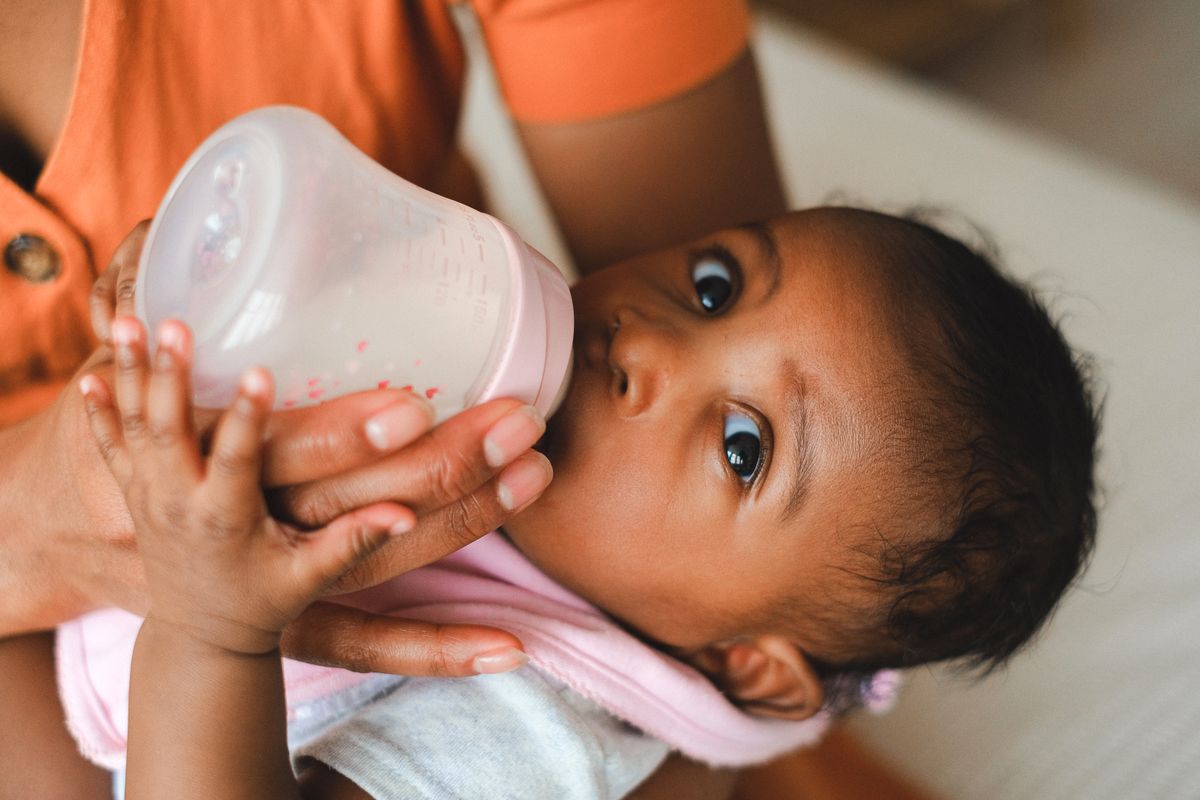
- Consider using ready-to-feed formula for night feedings during the advisory.
When the advisory is lifted
After your utility announces that the advisory is over, follow its flushing instructions before using tap water for formula again. Run cold taps for several minutes and clean any water filters. Many parents choose to keep using bottled or boiled water for formula for an extra day or two for peace of mind. See what to do after a boil water advisory is lifted.
Summary
During a boil water advisory, use ready-to-feed formula or mix formula with bottled water or tap water that has been boiled for one minute and cooled. Sterilize bottles and nipples in boiling water, give sponge baths with safe water, and continue breastfeeding normally. Watch for signs of illness and call your pediatrician if you are worried. Check the boil water advisory map for updates in your area.