What Temperature Does Water Boil At? Sea Level, Altitude and Safety
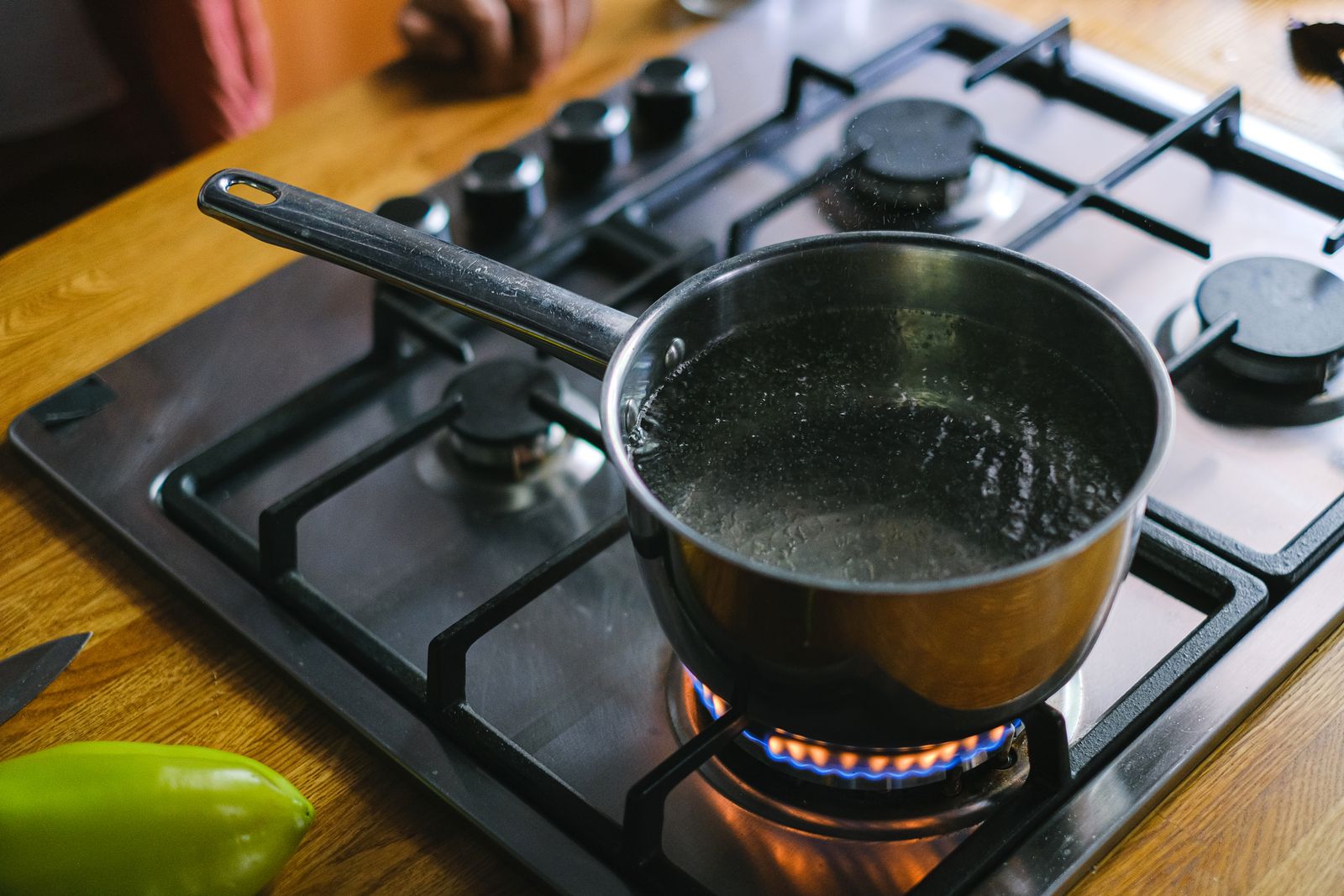
Ask most people what temperature water boils at and they will say 212 degrees Fahrenheit, or 100 degrees Celsius. That is correct, but only at sea level under standard air pressure. Move up into the mountains and water boils at a noticeably lower temperature. That difference is the reason public health guidance tells people at high elevations to boil water longer during a boil water advisory.
This article explains the boiling point of water, how altitude and pressure change it, and what the numbers mean for keeping your drinking water safe.
The boiling point of water at sea level
At sea level, with standard atmospheric pressure of 14.7 pounds per square inch (101.3 kilopascals), pure water boils at:
- 212°F
- 100°C
Boiling happens when water molecules have enough energy to form bubbles of vapor inside the liquid that can push back against the air pressure above it. The temperature at which that happens depends on how hard the air is pressing down. For a closer look at the science, see why water boils.
How altitude changes the boiling temperature
Air pressure falls as elevation rises. With less pressure pushing on the water’s surface, vapor bubbles form more easily, so water boils at a lower temperature. A useful rule of thumb is that the boiling point drops by about 1°F for every 500 feet of elevation gain (roughly 1°C for every 300 meters).
| Elevation | Approximate boiling point |
|---|---|
| Sea level | 212°F (100°C) |
| 1,000 ft (305 m) | 210°F (99°C) |
| 2,000 ft (610 m) | 208°F (98°C) |
| 3,000 ft (914 m) | 207°F (97°C) |
| 4,000 ft (1,219 m) | 205°F (96°C) |
| 5,000 ft (1,524 m) | 203°F (95°C) |
| 6,500 ft (1,981 m) | 200°F (93.5°C) |
| 8,000 ft (2,438 m) | 197°F (92°C) |
| 10,000 ft (3,048 m) | 194°F (90°C) |
These are approximations. Daily weather changes air pressure slightly, so the exact boiling point shifts a little from day to day.
Examples from U.S. cities
- New Orleans, Miami, Houston: near sea level, about 212°F
- Atlanta (about 1,000 ft): about 210°F
- Albuquerque (about 5,300 ft): about 202°F
- Denver (5,280 ft): about 202 to 203°F
- Leadville, Colorado (over 10,000 ft): about 193 to 194°F
Is lower-temperature boiling still safe?
Yes, with a little more time. The germs that cause waterborne illness are killed by heat well below 200°F if they are exposed long enough. That is why the CDC’s guidance is:
- Below 6,500 feet: keep water at a rolling boil for 1 minute.
- Above 6,500 feet: keep water at a rolling boil for 3 minutes.
The extra two minutes at high altitude make up for the lower boiling temperature. You do not need to measure the temperature with a thermometer. The rolling boil is the signal. Our guide on how long to boil water explains the timing.
Does adding salt raise the boiling point?
Technically yes, but not enough to matter. Dissolving salt in water raises its boiling point slightly. A tablespoon of salt in a large pot of pasta water raises the boiling point by only a fraction of a degree. It will not make water safer to drink, and you should not add salt for disinfection.
Pressure cookers: the opposite effect
A pressure cooker raises the pressure inside the pot, which raises the boiling point to around 250°F (121°C). That is why pressure cookers cook food faster and why autoclaves in hospitals and labs use pressurized steam to sterilize equipment. For drinking water during an advisory, a normal pot at a rolling boil is enough. A pressure cooker is not required.
Water temperatures worth knowing
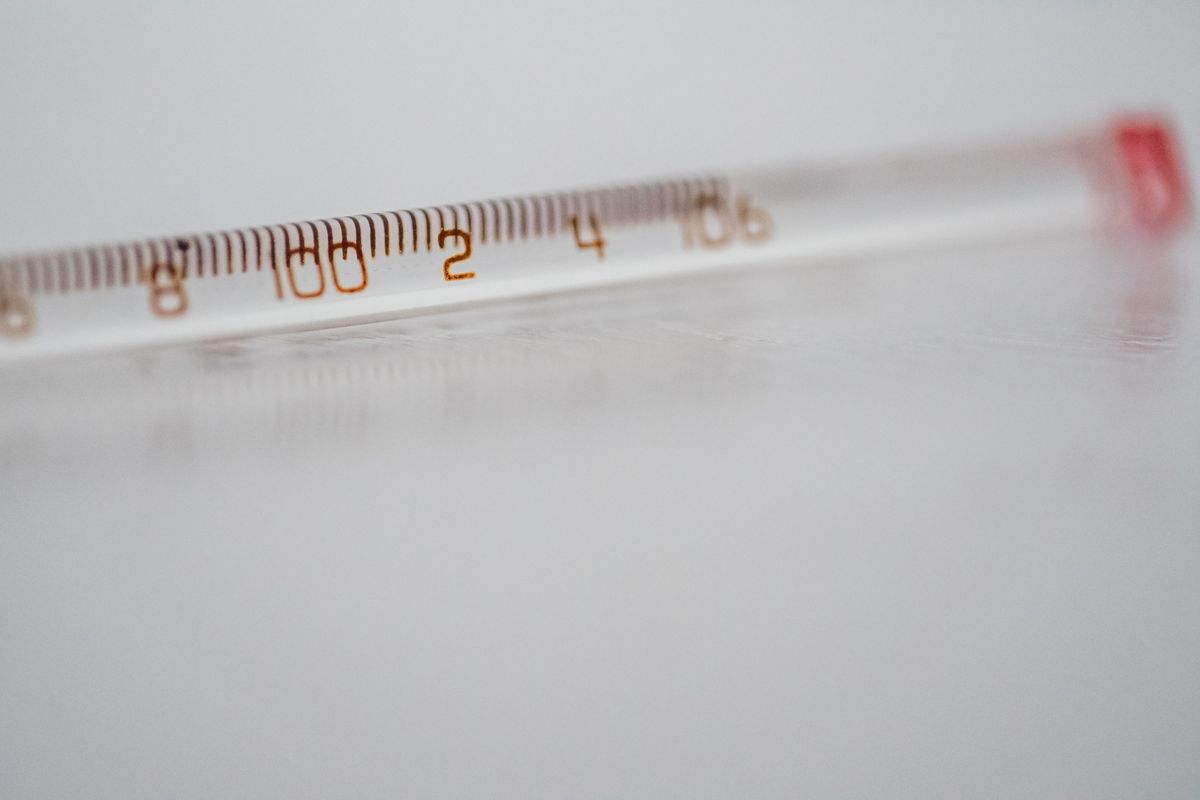
Here are some reference temperatures that come up when people talk about water safety:
| Temperature | What it means |
|---|---|
| 32°F (0°C) | Water freezes |
| 40°F (4°C) or below | Safe refrigerator temperature |
| 98.6°F (37°C) | Normal body temperature |
| About 120°F (49°C) | Typical home water heater setting recommended to reduce scalding |
| 140°F (60°C) | Hot enough to cause serious burns in seconds |
| 150°F (66°C) | A common minimum final rinse temperature for sanitizing dishwashers |
| 158°F (70°C) | Water temperature often recommended for mixing powdered infant formula |
| 212°F (100°C) | Boiling at sea level |
Why hot tap water is not boiled water
Some people assume very hot tap water is safe to drink during an advisory. It is not. Home water heaters are typically set around 120°F to prevent scalding, and during an advisory the water in the heater tank may already be contaminated. Always boil water in a pot or kettle. Hot tap water is fine for washing clothes and showering, but not for drinking or cooking.
Using a thermometer for formula and drinks
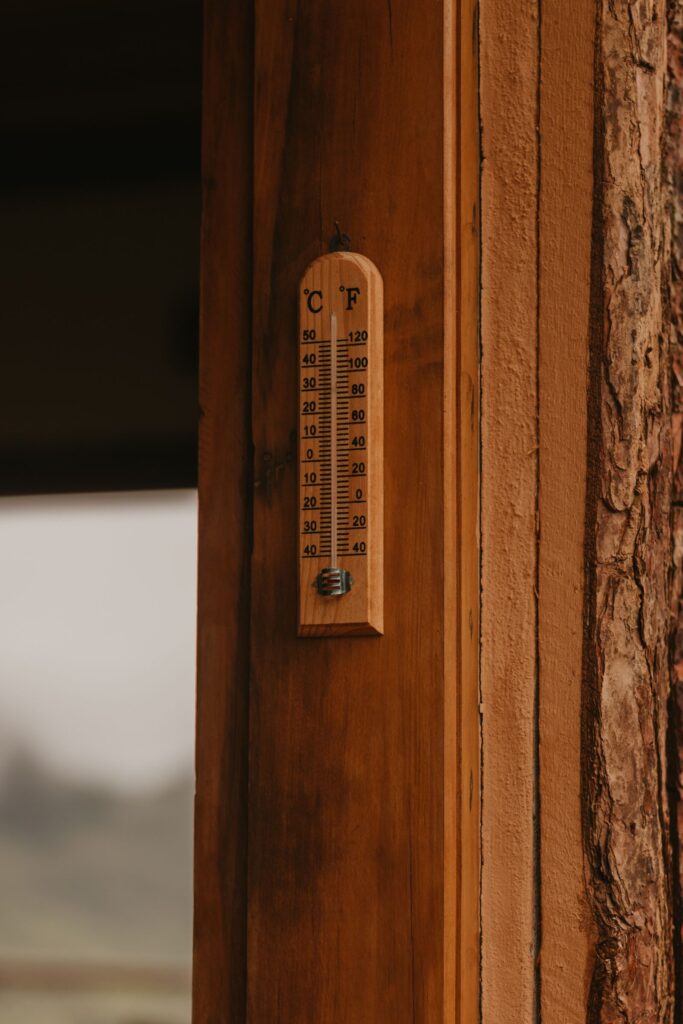
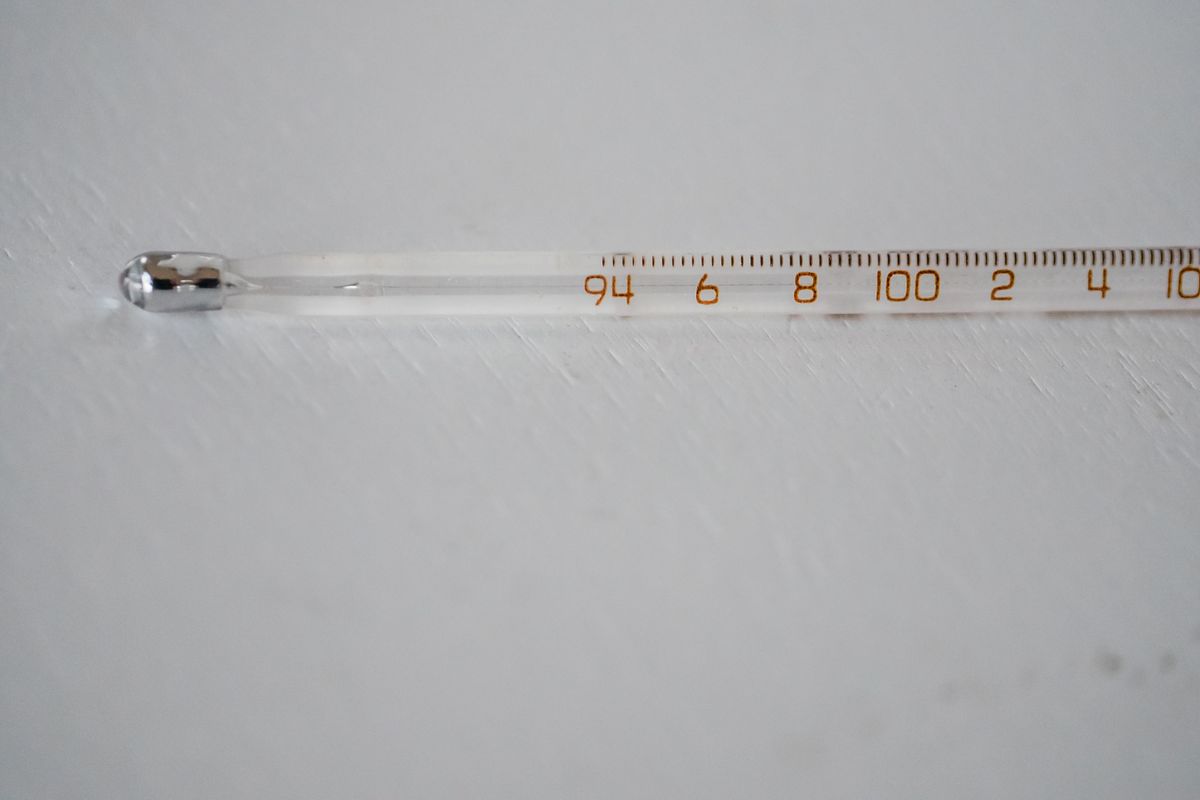
Thermometers are handy in one situation: preparing baby formula. Some health agencies recommend mixing powdered formula with water that is at least 158°F (70°C), then cooling the bottle quickly before feeding. Boiled water that has cooled for about 30 minutes is usually around this temperature, but a kitchen thermometer removes the guesswork. Always test the formula on your wrist before feeding. See baby formula during a boil water advisory.
Altitude and cooking
The lower boiling point at elevation affects more than drinking water. Because boiling water in Denver is about 10 degrees cooler than in Miami, foods cooked in water take longer:
- Pasta and rice need extra minutes and sometimes extra water, since more evaporates.
- Hard-boiled eggs take longer to set.
- Beans and grains may need significantly longer simmering, which is one reason pressure cookers are popular in mountain towns.
- Candy and syrups are made to target temperatures that must be adjusted down at altitude, usually by about 2°F for every 1,000 feet.
None of these adjustments change the safety rule for drinking water. Above 6,500 feet, keep it simple: three minutes at a rolling boil.
How to know your elevation
If you are not sure whether you live above 6,500 feet, there are easy ways to check:
- Search for your city or town name plus "elevation." Most municipal websites list it.
- Use a map app that shows terrain or elevation contour lines.
- Look at a topographic map from the U.S. Geological Survey.
- Many smartphone compass or fitness apps display your current elevation.
Keep in mind that elevation can vary a lot within one county, especially in mountain regions. A town in a valley might sit at 5,800 feet while homes on the surrounding hillsides are above 7,000 feet. If any part of your service area is above 6,500 feet, using the three-minute rule for everyone is the safest and simplest choice.
Does the starting temperature matter?
No. Whether your tap water starts at 40°F in winter or 75°F in summer, it boils at the same temperature for your elevation. Cold water simply takes longer to reach that point. The safety step that matters is the full rolling boil and the timing that follows it, not how hot the water was before you started. If you want to estimate how long it will take, see how long it takes water to boil.
Key takeaways
- Water boils at 212°F (100°C) at sea level.
- The boiling point falls about 1°F for every 500 feet of elevation.
- Above 6,500 feet, boil drinking water for 3 minutes instead of 1.
- Salt and small additives do not meaningfully change the boiling point.
- Hot tap water is not a substitute for boiled water.
If you are under a boil water advisory right now, follow our step-by-step boiling guide and check the boil water advisory map to see when the notice in your area is lifted.