Washing Dishes During a Boil Water Advisory: Dishwasher and Hand Washing
Plates, cups, baby bottles and cutting boards all come into contact with food and mouths, so how you clean them matters during a boil water advisory. Rinsing a glass with contaminated tap water and then filling it with safe water can undo the effort of boiling.
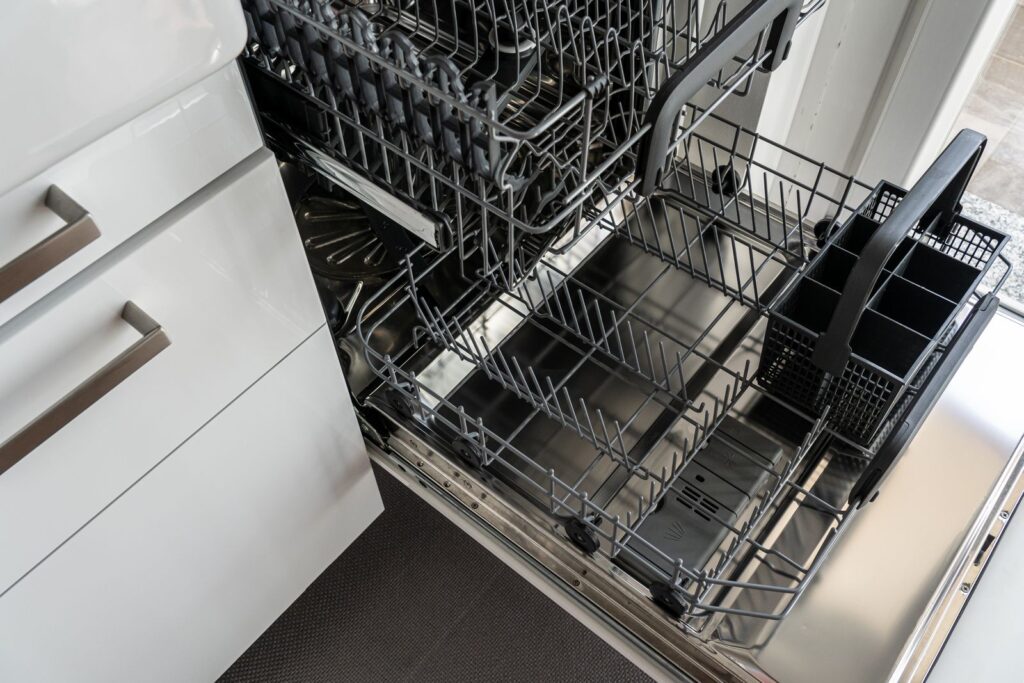
The U.S. Centers for Disease Control and Prevention (CDC) gives two safe options: use a dishwasher that sanitizes, or wash dishes by hand and then sanitize them with a bleach rinse. This guide walks through both methods step by step.
Can you use the dishwasher during a boil water advisory?
Yes, in many cases. Household dishwashers are generally safe to use if:
- The dishwasher has a sanitizing cycle, or
- The final rinse reaches at least 150°F (66°C), which is the temperature many health agencies use as the benchmark for sanitizing.
Many modern dishwashers have a "sanitize," "high temp," or "sani rinse" setting. Some models certified to NSF/ANSI Standard 184 are designed to reduce bacteria on dishes during the final rinse. Check your owner’s manual or the manufacturer’s website if you are unsure.
If your dishwasher does not have a sanitizing cycle or you are not sure how hot it gets, either wash by hand using the method below, or run the dishwasher and then sanitize the dishes afterward with a bleach rinse.

Dishwasher tips during an advisory
- Do not pre-rinse dishes under the tap. Scrape food into the trash instead.
- Choose the hottest setting and the heated dry option.
- Let dishes dry completely before putting them away.
- Do not use the dishwasher for baby bottles unless it has a sanitizing cycle. Sterilize bottles in boiling water instead.
How to wash dishes by hand during a boil water advisory
If you do not have a dishwasher, or yours does not sanitize, follow these steps:
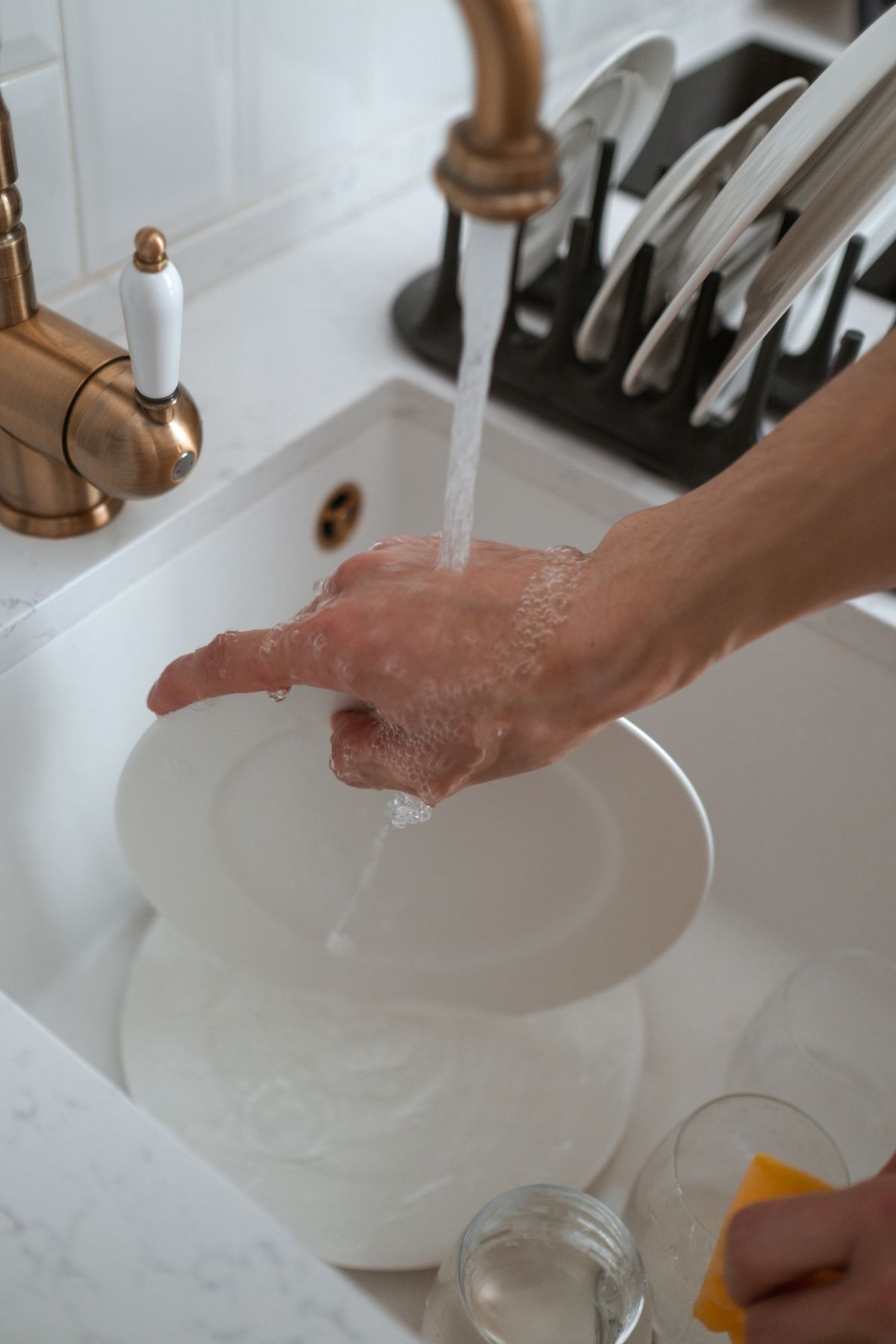
- Wash dishes in hot, soapy water as you normally would. Tap water is fine for this step.
- Rinse the soap off. Tap water is fine here too, because the next step will sanitize.
- Sanitize by soaking the rinsed dishes for at least one minute in a separate basin of warm water mixed with one teaspoon of unscented household liquid bleach per gallon of water.
- Air dry the dishes completely. Do not dry them with a towel, which can reintroduce germs.
This method comes from CDC guidance. The bleach soak kills germs that may be left on the dishes from the tap water.
Tips for the bleach rinse
- Use regular, unscented bleach. Avoid scented, splash-less or "color safe" products, which may not contain enough active chlorine or may contain additives.
- Check the label. Most household bleach today contains about 6 or 8.25 percent sodium hypochlorite. One teaspoon per gallon works for sanitizing dishes with either.
- Make a fresh solution each day.
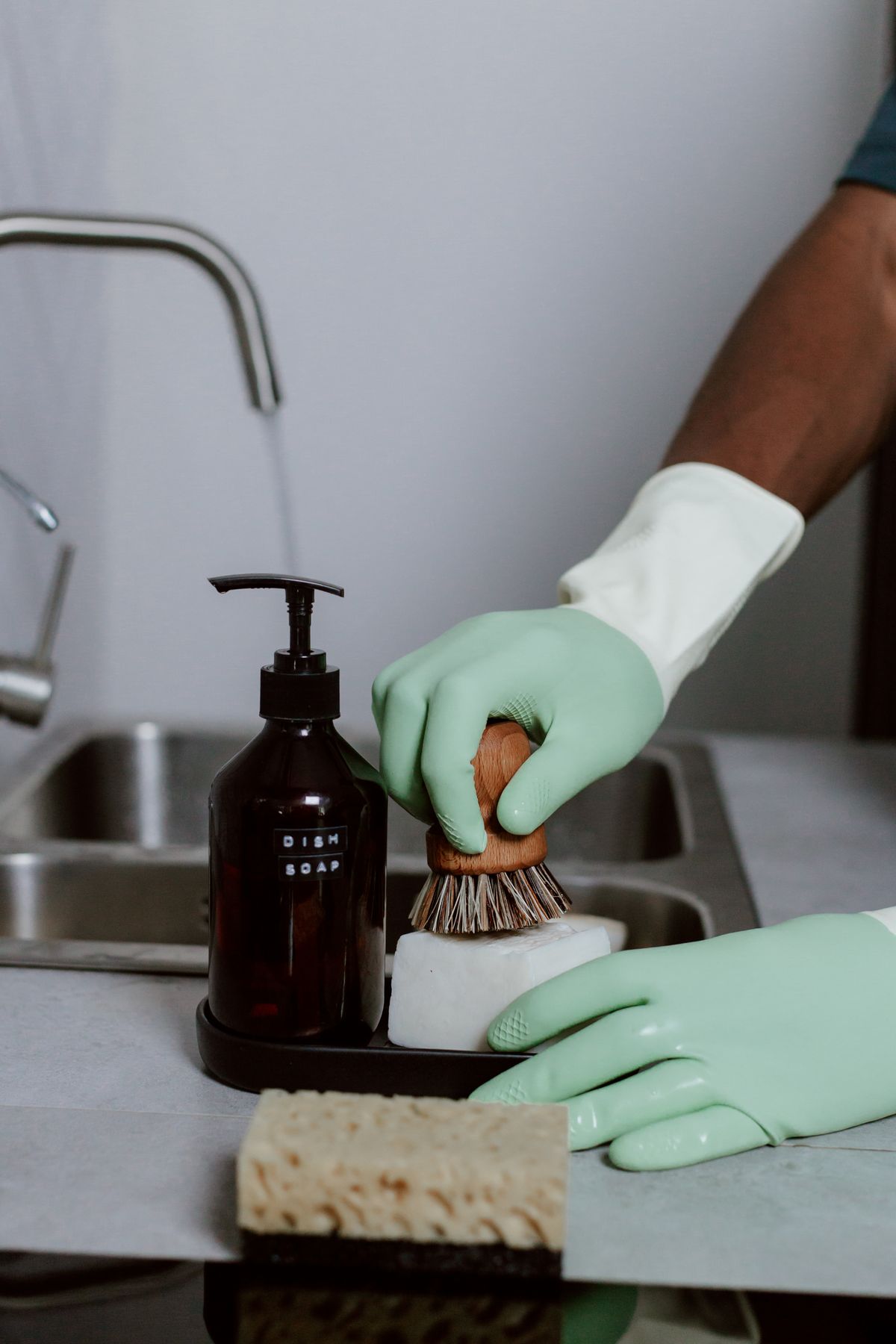
- Wear gloves to protect your skin.
- Never mix bleach with ammonia, vinegar or other cleaners. This can produce toxic gases.
Setting up a two- or three-basin system
If you have a double sink, a simple layout makes hand washing easier:
- Left basin: hot, soapy wash water
- Right basin: bleach sanitizing solution
- Counter or dish rack: clean towel or rack for air drying
If you only have one sink, use a large plastic tub or bucket for the bleach solution. Rinse dishes after washing in the sink, then move them into the tub to soak.
Baby bottles, nipples and pacifiers
Items for infants need extra care:
- Wash bottles, nipples, caps and pacifiers in hot, soapy water and rinse them.
- Sterilize them by placing them in a pot of water, bringing it to a boil, and boiling for five minutes, or use a steam sterilizer according to the manufacturer’s instructions. A dishwasher with a sanitize cycle is another option.
- Let them air dry on a clean towel.
Use boiled or bottled water to prepare formula. See baby formula during a boil water advisory.
Cutting boards, utensils and food prep surfaces
Countertops, cutting boards and food prep surfaces can be cleaned with soap and tap water, then sanitized with a bleach solution. Many health agencies suggest about one tablespoon of unscented bleach per gallon of water for surfaces, applied and left to air dry. Rinse with boiled or bottled water if the surface will touch food directly and the product label recommends a rinse.
Glasses, pitchers and water bottles
Anything that holds drinking water deserves extra care. After washing, sanitize glasses, pitchers and reusable water bottles with the bleach rinse, or use the dishwasher’s sanitize cycle. Dry them completely before filling them with boiled or bottled water.
Coffee makers, blenders and small appliances
Appliances that hold water or touch food deserve attention too:
- Coffee makers: do not brew with tap water during the advisory. Wash the carafe like other dishes. When the advisory ends, run several cycles of fresh tap water through the machine. See coffee makers and ice makers during an advisory.
- Blenders and food processors: wash, rinse and sanitize the jar and blades with the bleach rinse before making smoothies or baby food.
- Water bottles with straws and valves: take them apart, wash every piece, and sanitize them.
- Sponges and dish brushes: replace sponges often, or microwave a damp sponge for one minute to reduce bacteria. Let brushes dry between uses.
How long the routine lasts
Most advisories last only a day or a few days, so this routine is temporary. Once the utility confirms the water is safe, you can go back to rinsing dishes normally. If an advisory stretches on for weeks, as can happen after major disasters, it is worth setting up a permanent sanitizing station with a labeled tub, a measuring spoon and gloves so that everyone in the house follows the same steps. Our article on how long boil water advisories last explains why some notices take longer to lift.
Using paper plates
Many families switch to paper plates, cups and disposable utensils for a few days. This is a reasonable choice, especially when the advisory follows a storm or power outage. If you do, remember that you still need clean pots and serving utensils for cooking.
Washing fruits and vegetables
Do not wash produce with tap water during an advisory. Use boiled water that has cooled, or bottled water. Our guide to food and drinks during a boil water advisory covers this in detail.
After the advisory is lifted
When your utility lifts the advisory:
- Run the kitchen faucet’s cold water for several minutes to flush the line.
- Run your dishwasher empty for one cycle to flush its supply line.
- Clean any water filters on the kitchen faucet.
See the full checklist in what to do after a boil water advisory is lifted.
Common questions
Can I use hot tap water to rinse dishes instead of bleach?
Hot tap water from your water heater, usually around 120°F, is not hot enough to sanitize. Use the bleach rinse or a sanitizing dishwasher.
Do I need to rinse off the bleach solution?
No. At one teaspoon per gallon, the solution is weak enough that dishes can simply air dry.
What if I do not have bleach?
Use a dishwasher with a sanitizing cycle, use disposable dishes, or rinse washed dishes with water that has been boiled and cooled, then air dry.
Summary
During a boil water advisory, use the dishwasher only if it has a sanitize cycle or a hot final rinse. Otherwise, wash and rinse dishes as usual, soak them for one minute in one teaspoon of unscented bleach per gallon of warm water, and let them air dry. Sterilize baby bottles in boiling water. Check the boil water advisory map to see when the advisory is over.