How Long to Boil Water to Make It Safe to Drink
When a boil water advisory is issued, the first practical question is usually: how long do I need to boil it? You may have heard five minutes, ten minutes, or even twenty. The real answer, according to the U.S. Centers for Disease Control and Prevention (CDC) and the Environmental Protection Agency (EPA), is much shorter.
Boil water at a full rolling boil for one minute. If you live above 6,500 feet in elevation, boil it for three minutes.
That is all it takes to make microbiologically unsafe water safe to drink. This article explains where that number comes from, why longer boiling is not better, and the situations where boiling is not enough.
Why one minute is enough
Most germs that cause waterborne illness die quickly when heated. Many bacteria are killed at temperatures well below boiling if they are held there for a short time. That is the same principle used in pasteurizing milk, which is heated to about 161°F (72°C) for only 15 seconds.
Water at sea level boils at 212°F (100°C). By the time water reaches a full rolling boil, it has already spent time passing through temperatures that kill most pathogens. The one minute of boiling adds a large safety margin and gives people a clear, simple instruction to follow.
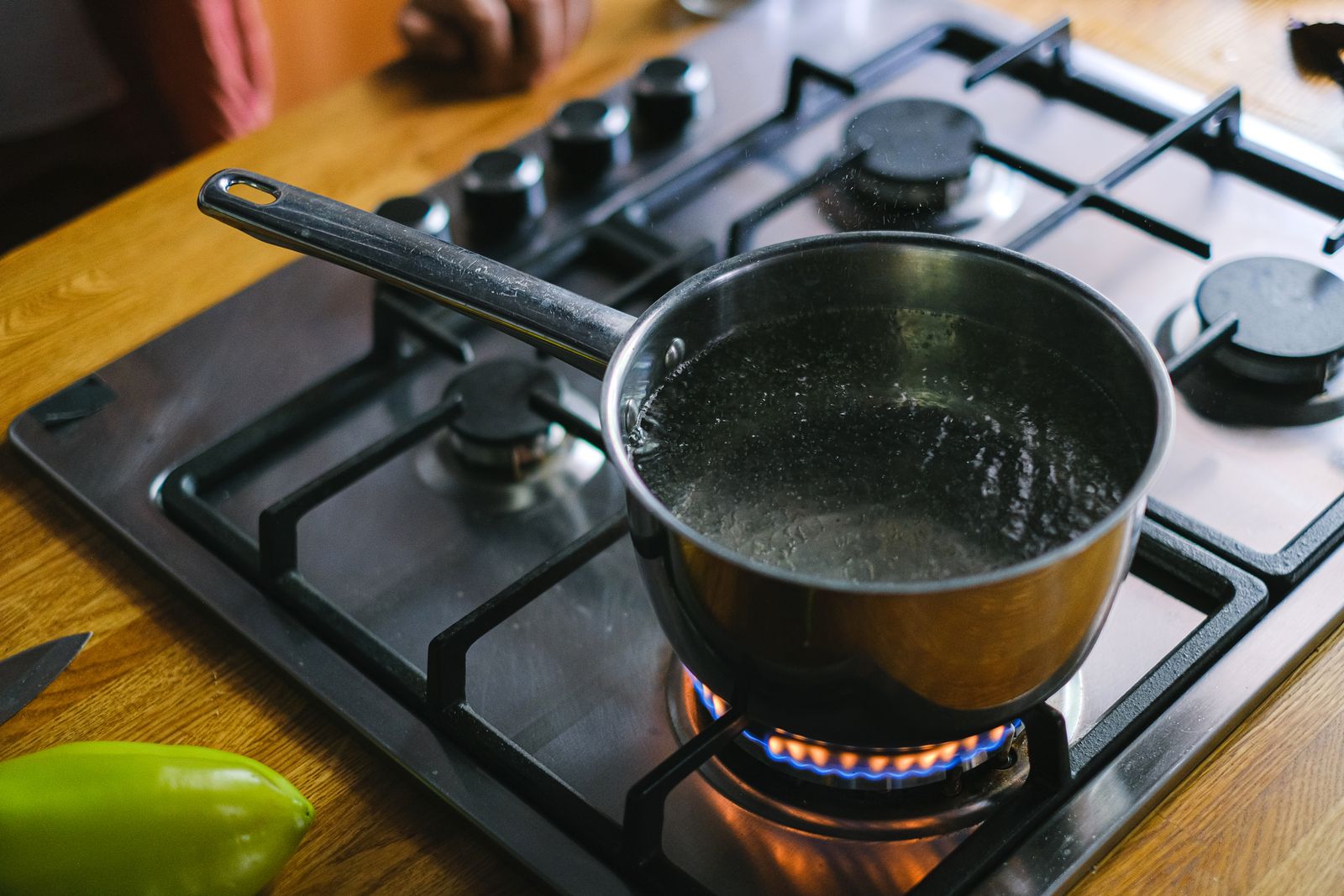
What a rolling boil looks like
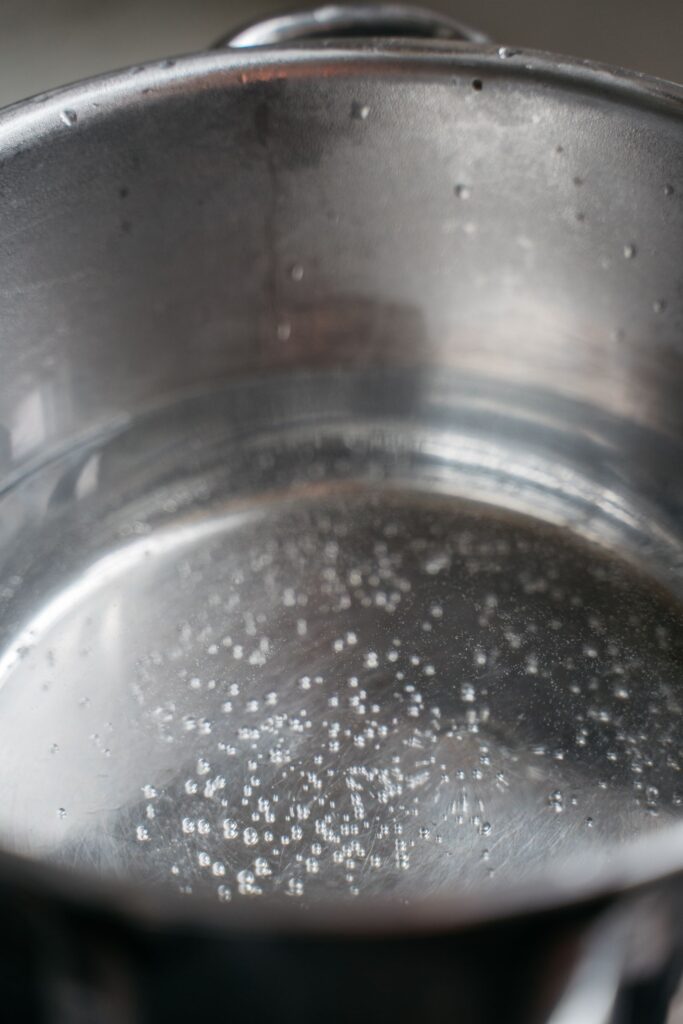
The timer starts when the water is at a rolling boil, not when you first see bubbles. A rolling boil has these features:
- Large bubbles rise from the bottom of the pot continuously.
- The surface is moving vigorously.
- Stirring does not stop the bubbling.
Tiny bubbles clinging to the sides of the pot, or gentle steam, mean the water is only hot. Keep heating.
Why boil longer at high altitude?
Water boils at a lower temperature when air pressure is lower. At about 6,500 feet, water boils at roughly 201°F (94°C) instead of 212°F. That is still hot enough to kill germs, but it takes a little longer, so the guidance increases the time to three minutes.
If you live in Denver, Salt Lake City or Albuquerque, the city itself is below 6,500 feet, but many mountain towns in Colorado, Utah, New Mexico, Wyoming and other western states are above it. When in doubt, boil for three minutes. It costs very little. See what temperature water boils at for a table by elevation.
Is boiling longer than one minute better?
Not really. Boiling for five or ten minutes does not make the water meaningfully safer from germs, and it has downsides:
- You waste fuel and time, which matters during power outages.
- Water evaporates, so you end up with less to drink.
- Minerals and some contaminants become more concentrated as water evaporates. If your water contains nitrate or lead, for example, long boiling raises their concentration.
Older advice sometimes recommended 10 or 20 minutes. Current federal guidance is clear that one minute is sufficient below 6,500 feet.
What boiling does not fix
Boiling is designed for one problem: germs. It does not remove:
- Lead, copper and other metals
- Nitrate and nitrite
- PFAS ("forever chemicals")
- Pesticides, fuels and industrial chemicals
- Salt and dissolved minerals
- Algal toxins in many cases
If your utility has told you not to drink the water at all, or not to use it for anything, boiling is the wrong response. Use bottled water and follow the specific notice. Our article on boil water vs. do not drink notices explains how to tell them apart.
How long to let boiled water cool
After boiling, let the water cool naturally with the lid on. Cooling time depends on volume:
| Amount of water | Approximate time to reach room temperature |
|---|---|
| 1 quart (about 1 liter) | 1 to 2 hours |
| 1 gallon (about 4 liters) | 3 to 4 hours |
| Large stockpot | Several hours |
You can speed cooling by splitting water into shallow containers or setting the pot in a sink of cold water. Do not add tap water or ice made from tap water.
How long to boil water for baby formula
For infant formula during a boil water advisory, the CDC recommends using bottled water or boiled water that has been cooled. The boiling time is the same: one minute at a rolling boil. Some formula makers and health agencies also suggest mixing powdered formula with water that is still warm (no cooler than about 158°F, or 70°C) to kill germs that can be present in powder, then cooling the bottle before feeding. Always test the temperature before feeding. Read more in baby formula during a boil water advisory.
How long does it take water to come to a boil?
The boiling time is one minute, but getting there takes longer. A full electric kettle takes about three to five minutes. A gallon of water in a pot on a stove may take 10 to 15 minutes. We break down the physics in how long it takes water to boil.
Does the type of germ change the boiling time?
Different organisms have different heat tolerance, but the one-minute rule was chosen to cover all of the common ones found in drinking water:
- Bacteria such as E. coli, Salmonella, Shigella and Campylobacter are killed quickly at temperatures well below boiling.
- Viruses such as norovirus, rotavirus and hepatitis A are inactivated by boiling.
- Parasites such as Giardia and Cryptosporidium are among the hardest germs to kill with chlorine, but they are very sensitive to heat. Boiling is one of the most reliable ways to deal with them, which is why it is preferred over chemical disinfection when Cryptosporidium is a concern.
Bacterial spores are the main exception. Some spores can survive boiling, but they are not the typical concern in a municipal boil water advisory, and public health agencies still consider one minute at a rolling boil to be the right standard for households.
Boiling time for different uses
The same one-minute rule applies whether the water is for drinking, cooking or brushing teeth. A few uses deserve a note:
- Cooking pasta, rice or soup: if the water boils for at least one minute as part of cooking, the food is safe. You do not need to pre-boil water you are about to boil anyway.
- Washing produce: use water that has been boiled and cooled, not water that is still hot.
- Making tea: water poured from a kettle that has just reached a full boil is fine if the kettle boiled for about a minute. When in doubt, let it boil a second time.
- Ice: freeze only water that has already been boiled, or use bottled water. Freezing does not kill germs.
Common mistakes
- Starting the timer too early. Wait for the rolling boil.
- Trusting a kettle’s auto shut-off alone. Let it boil a second time.
- Recontaminating the water. Store it in clean, covered containers, and do not dip cups into it.
- Using a coffee maker. Coffee makers rarely reach a true boil, and the water does not stay hot long enough.
- Topping up old water. Use stored boiled water within a few days and boil fresh batches.
Frequently asked questions
Do I need to boil water for showering?
No. Adults can shower normally during most advisories as long as they avoid swallowing water. Babies and young children should be sponge-bathed. See showering during a boil water advisory.
Does hot tap water count as boiled?
No. Water heaters are usually set around 120°F (49°C), far below boiling, and the tank itself may be contaminated during an advisory.
Can I boil water once and use it for days?
Yes, if it is stored in clean, covered containers in the refrigerator. Use it within a few days and boil fresh water after that.
The short answer
Bring water to a full rolling boil and keep it there for one minute, or three minutes above 6,500 feet. Let it cool, store it covered, and use it for drinking, cooking, brushing teeth, formula and pets until your utility lifts the advisory. To see whether an advisory has been issued or lifted near you, check the boil water advisory map.