Precautionary vs. Mandatory Boil Water Advisories: What’s the Difference?

Boil water notices come with a confusing mix of labels: precautionary, voluntary, mandatory, advisory, notice, order. Some people take a "precautionary" advisory less seriously, assuming it is just a formality. Others panic at the word "mandatory." Understanding what each term means helps you respond calmly and correctly.
This guide explains the difference between precautionary and mandatory boil water advisories, why states use different words, and why you should follow both kinds exactly the same way.
The short answer
- Precautionary boil water advisory: something happened that could let germs into the water, such as a main break or a drop in pressure, but testing has not confirmed contamination. The utility issues the advisory to protect people while it collects samples.
- Mandatory boil water notice or order: contamination has been confirmed, such as a positive test for E. coli, or there has been a serious treatment failure, and a regulator requires the notice.
In both cases, the instructions for you are the same: boil water before drinking or cooking with it, or use bottled water.
Why utilities issue precautionary advisories
Lab tests for bacteria take time. When a water main breaks or pressure drops, waiting a day or more for test results before warning people would leave them exposed. A precautionary advisory lets the utility protect the public immediately while it:
- Finishes repairs
- Restores pressure
- Flushes the affected lines
- Collects water samples
- Waits for clean lab results
Most precautionary advisories are lifted once results show no contamination. That is why many people experience them as a short inconvenience. But the risk during that window is real, because the conditions that trigger them can genuinely allow germs into the system.

Common triggers for precautionary advisories
- Water main breaks and repairs
- Loss of pressure below a regulatory threshold, often about 20 pounds per square inch
- Power outages at pump stations
- Planned maintenance that drains part of the system
- Storms, floods and freezes that damage infrastructure
- Short-term treatment problems that are quickly corrected
Why mandatory notices are issued
Mandatory notices are usually tied to federal and state drinking water rules. Under the U.S. Environmental Protection Agency’s Public Notification Rule, certain violations require a Tier 1 notice, the most urgent category, within 24 hours. Situations that can lead to Tier 1 notices and boil water orders include:
- A violation of the maximum contaminant level for E. coli
- Treatment failures, such as loss of disinfection
- High turbidity (cloudiness) beyond allowed limits in certain systems
- Waterborne disease outbreaks or emergencies with significant potential for serious health effects
When these happen, the state drinking water program typically requires the system to tell customers to boil their water.
Why the terminology varies
The United States does not have one standard name for boil water notices. Each state drinking water program, and sometimes each utility, chooses its own wording. You may see:
| Term | Common meaning |
|---|---|
| Precautionary boil water advisory | Possible contamination; testing in progress |
| Voluntary boil water advisory | Similar to precautionary; issued by the utility on its own initiative |
| Boil water notice | General term; can be precautionary or required |
| Boil water order | Usually required by the state or health department |
| Mandatory boil water notice | Contamination confirmed or rules violated |
| Do not drink / do not use | Different problem, often chemical; boiling does not help |
Because of these differences, do not judge the risk by the label alone. Read the notice for the reason and the instructions.
Is a precautionary advisory less serious?
It is less certain, but you should not treat it as optional. Several reasons:
- The events that trigger precautionary advisories, especially pressure loss, can and do allow contamination.
- Some germs, such as norovirus and Cryptosporidium, can cause illness at very low doses.
- Babies, older adults, pregnant people and people with weakened immune systems can become seriously ill.
- By the time a test confirms contamination, people who ignored the precaution may already have been exposed.

How long does each type last?
- Precautionary advisories usually last about one to three days, the time needed for repairs, flushing and two sets of clean samples.
- Mandatory notices may last longer, because the utility must find and fix the cause of contamination before testing can show the water is consistently safe. Some last days; serious system failures can last weeks.
See how long boil water advisories last for details.
What to do in either case
Follow the same steps:
- Boil water at a rolling boil for one minute (three minutes above 6,500 feet), or use bottled water, for drinking, cooking, making ice, brushing teeth, preparing formula and pets.
- Showering and laundry are generally fine for adults if you avoid swallowing water.
- Throw out ice made after the problem began.
- Watch for symptoms such as diarrhea and vomiting, and contact a health care provider if they develop.
Our guide to what a boil water advisory means covers these steps in detail.
When boiling is the wrong advice
If a notice says do not drink or do not use, boiling will not help. These notices are usually about chemicals or other contaminants that heat does not destroy. Read our guide to boil water vs. do not drink vs. do not use.
How utilities decide which to issue
Utilities work with their state drinking water program to decide. Factors include the cause of the event, the size of the affected area, pressure readings, the condition of the pipes, past test results and state rules. Some states require a precautionary advisory automatically when pressure falls below a set level. Others leave more discretion to the utility.
What the utility is doing behind the scenes
Whatever the label, a utility working through an advisory usually follows a similar sequence:
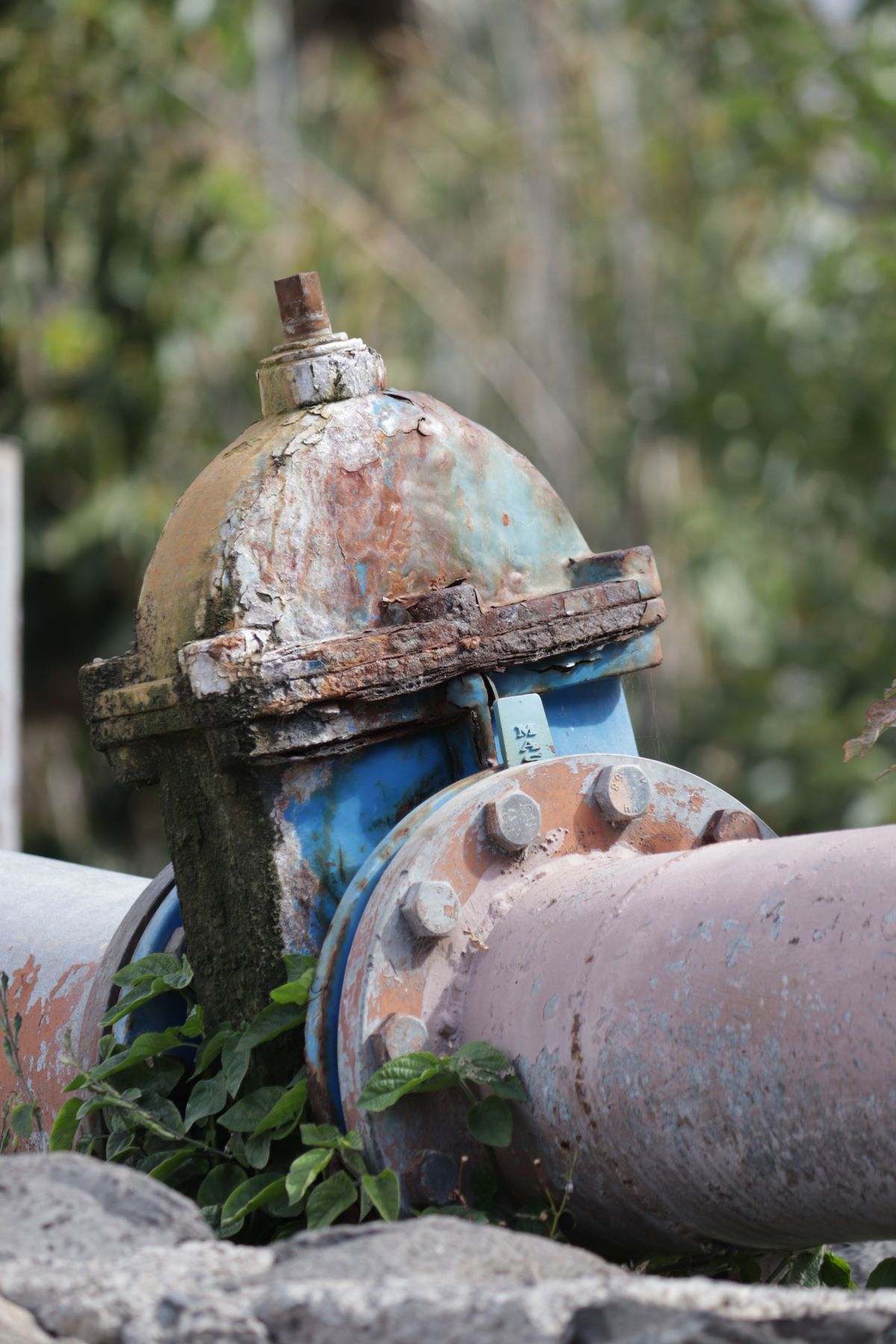
- Isolate the problem. Crews close valves to separate the damaged section from the rest of the system.
- Repair. Broken pipe is replaced or clamped, and new pipe is disinfected before it goes back into service, following industry standards for disinfecting water mains.
- Restore pressure and flush. Hydrants and flushing points are opened to push out water that may have been contaminated, along with sediment and air.
- Check disinfectant levels. Operators measure chlorine or chloramine at sample points to make sure disinfection is adequate throughout the area.
- Collect bacteriological samples. Samples are taken from representative locations and sent to a certified lab.
- Lift the advisory. When results meet state requirements, the utility notifies the public and the state.
For a mandatory notice, there is often an extra step: finding the source of contamination, which might be a cross-connection, a damaged storage tank or a treatment process failure. That investigation can take longer, which is one reason mandatory notices tend to last longer than precautionary ones.
Who is most at risk either way
The level of certainty matters less for people who are especially vulnerable. Infants, older adults, pregnant people, and anyone with a weakened immune system should be particularly careful to follow every boil water notice, regardless of its label. If someone in your household falls into one of these groups, consider using bottled water for drinking and formula during even short precautionary advisories.
Frequently asked questions
Can a precautionary advisory become mandatory?
Yes. If samples collected during a precautionary advisory test positive for E. coli, the notice may be upgraded and extended.
Why do I get so many precautionary advisories?
Communities with aging pipes, frequent main breaks or severe weather tend to have more. Utilities are being cautious, which is a good thing for public health.
Do I need to follow a voluntary advisory?
Yes. "Voluntary" refers to the utility’s decision to issue it, not to whether you should follow it.
Summary
A precautionary boil water advisory means germs could have entered the water; a mandatory notice usually means contamination or a serious treatment problem has been confirmed. The wording varies by state, but the instructions do not: boil your water or use bottled water until the utility announces that the advisory is lifted. Track notices near you on the boil water advisory map.