What to Do After a Boil Water Advisory Is Lifted: A Flushing Checklist
The notice you have been waiting for finally arrives: the boil water advisory has been lifted. It is tempting to go straight back to drinking from the tap. But the water sitting in your home’s pipes, water heater, ice maker and filters may still be the water that was in the system during the advisory.
Utilities and health departments recommend flushing your plumbing and appliances before you use tap water for drinking and cooking again. This guide walks you through a simple room-by-room checklist so your home is fully back to normal.
Why flushing matters
When a utility lifts an advisory, it means test samples taken from the public water system came back clean. The water in the mains is safe. However, the water inside your home did not move while you were boiling water and buying bottles. Water that has been sitting in your service line, pipes, water heater and appliances since the problem started may not have been replaced yet.
Flushing pushes that old water out so fresh, safe water from the main fills your plumbing.
Step 1: Flush your cold water pipes
Most utilities give guidance along these lines:
- Start with the faucet closest to where water enters your home, often a basement or utility sink, or the lowest floor.
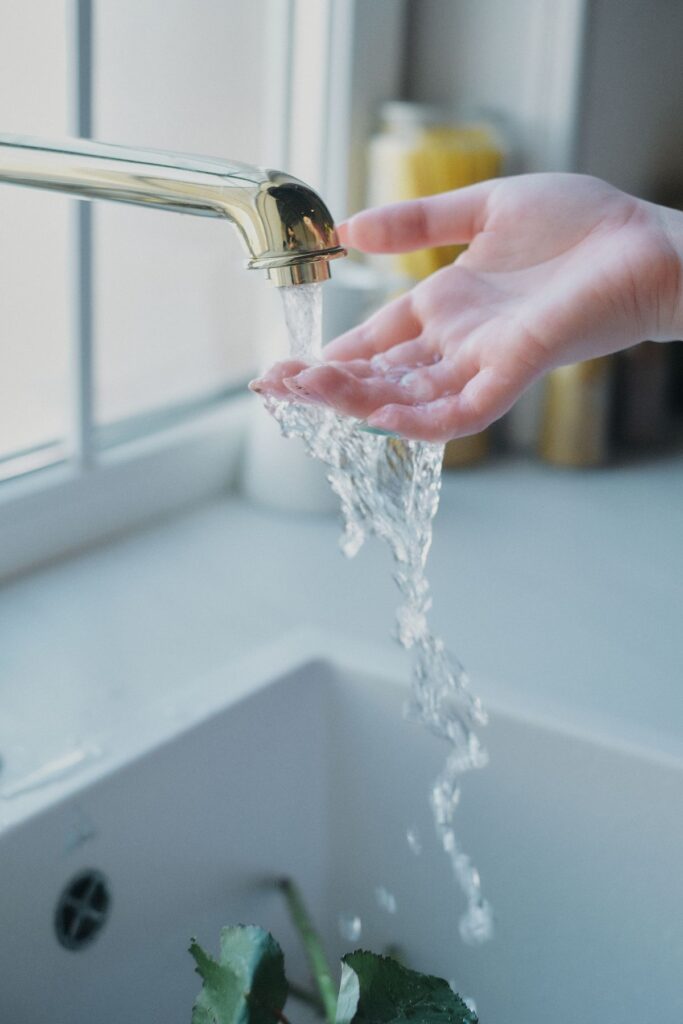
- Run the cold water for at least five minutes, or as long as your utility recommends.
- Move to the next faucet, working your way to the farthest and highest faucets in the house.
- Include every fixture: kitchen and bathroom sinks, tubs, showers and outdoor spigots.
If you live in a large home or have long service lines, run the water longer. Some utilities recommend running taps until the water feels noticeably colder, which indicates fresh water from the main.
If the water is discolored
Main breaks and flushing can stir up rust and sediment. If the water is yellow, brown or cloudy, keep running the cold tap until it clears. If it does not clear after 15 to 20 minutes, wait an hour and try again, or call your utility. Avoid running hot water or doing laundry while the water is discolored.
Step 2: Flush your water heater
Many utilities recommend flushing the hot water side as well:
- Run hot water taps for about 15 minutes, which helps replace water in the heater. Larger tanks may need longer.
- Or follow the manufacturer’s instructions to drain and refill the tank, especially if the advisory was caused by confirmed contamination.
- Some utilities suggest setting the water heater to at least 120°F before use.
Be careful: hot water can scald. Do not run very hot water where children could be exposed.

Step 3: Clear the refrigerator and ice maker
Ice makers and water dispensers hold water in their lines and reservoirs.
- Run the water dispenser for about five minutes, or as the manufacturer recommends.
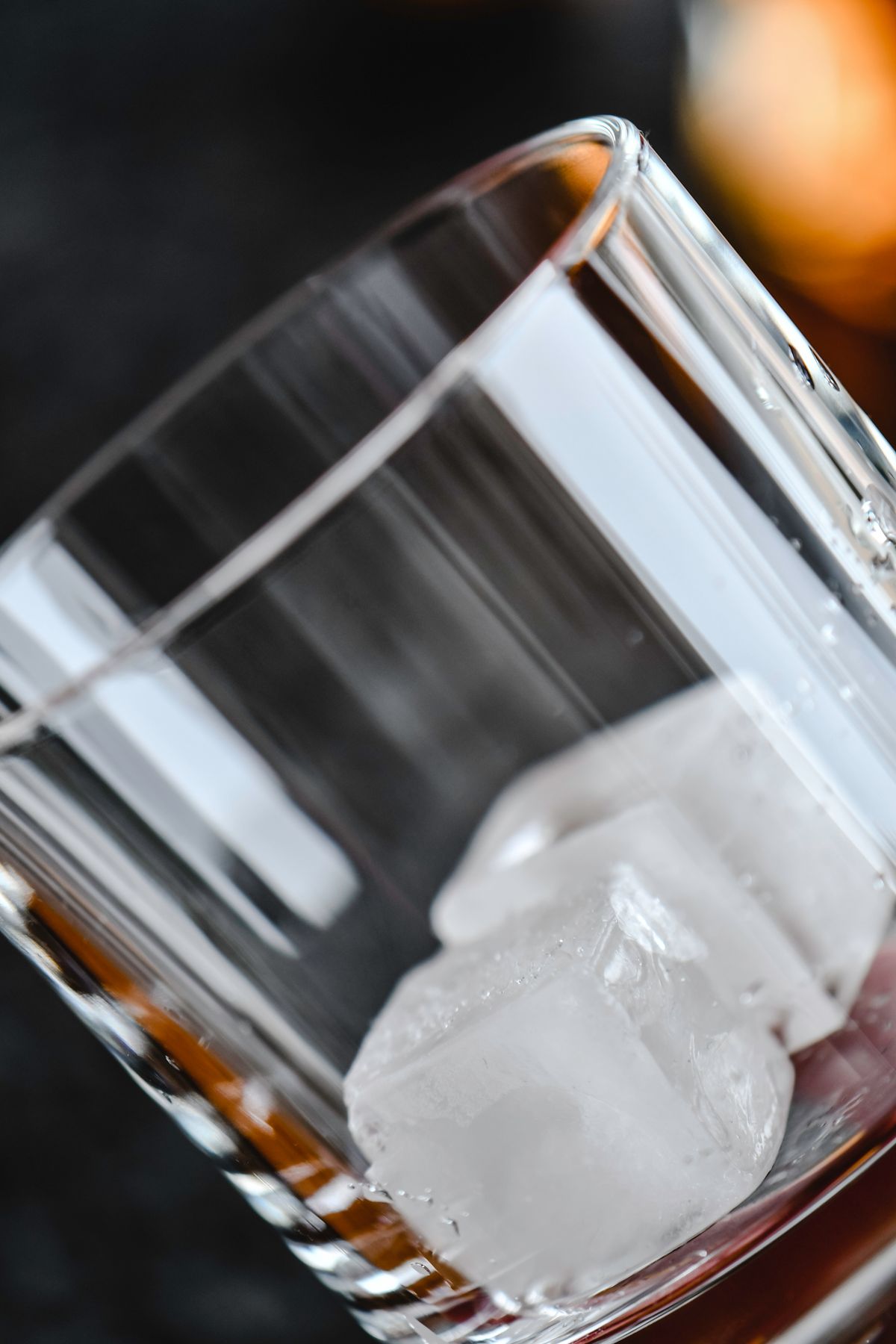
- Turn the ice maker on and throw away the first three batches of ice.
- Wash and sanitize the ice bin with soap and water, then a dilute bleach solution of about one tablespoon of unscented bleach per gallon.
- Replace the refrigerator filter, especially if the advisory was due to contamination.
Step 4: Replace water filters
Filters may have trapped or harbored bacteria during the advisory. Replace cartridges in:
- Pitcher filters
- Faucet-mounted filters
- Under-sink and whole-house filters
- Refrigerator filters
- Reverse osmosis prefilters; sanitize the RO storage tank following the manufacturer’s directions
For more on what filters do and do not remove, see do water filters make water safe.
Step 5: Flush and clean kitchen appliances
Coffee makers
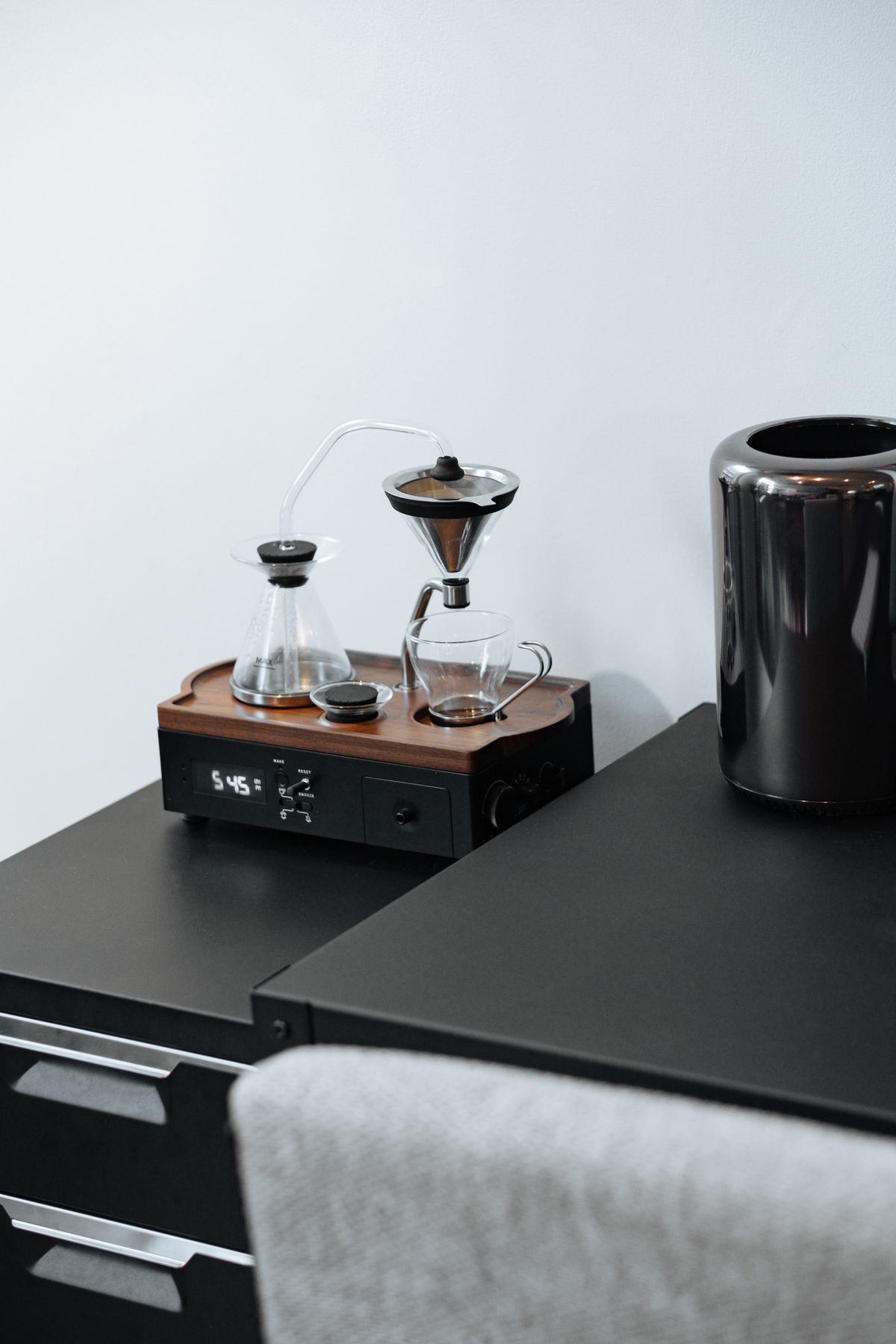
Run two or three full reservoirs of fresh tap water through the machine, then clean removable parts. Plumbed coffee and espresso machines should be flushed according to the manufacturer’s instructions.
Dishwasher
Run the dishwasher empty for one cycle to flush its supply line.
Instant hot water taps and drinking water dispensers
Run several cups of water through them and discard it. Follow the manufacturer’s instructions for flushing and filter replacement.
Sparkling water makers and baby formula machines
Empty and clean reservoirs, then refill them with fresh tap water.
Step 6: Water softeners and treatment devices
- Water softeners should be run through a regeneration cycle.
- UV systems may need the quartz sleeve cleaned or the lamp checked.
- Whole-house treatment systems should be serviced according to the manufacturer’s guidance.
Step 7: Clean bottles, pitchers and pet bowls
Wash and sanitize anything that stored water during the advisory: pitchers, reusable bottles, pet bowls and fountains. Replace pet fountain filters. Our pets guide covers this in more detail.
Step 8: Throw out or use up stored boiled water
Boiled water stored in your fridge can be used for a day or two, or poured on plants. Do not keep it for long-term storage. Sealed bottled water can be kept as part of your emergency water supply.
Special situations
Businesses and multi-unit buildings
Large buildings such as apartments, schools, offices and restaurants have long pipe runs and tanks. They usually need a more thorough flushing plan. Building managers should follow guidance from the local health department and the utility. Restaurants have their own requirements; see our restaurant guide.
Homes that were vacant
If your home was empty for several days during the advisory, flush longer, including hot water lines, to clear water that sat for an extended time.
Private wells
If you have a private well and were affected by flooding or a well-specific problem, a utility’s announcement does not apply to you. Test your well and disinfect it if needed. See private well water safety.
How do I know the advisory is really over?
Only trust the official announcement from your water utility or health department. Advisories are often lifted for one area while remaining in place for neighboring streets. Check your utility’s website, alerts, social media and the boil water advisory map. If you are unsure, call the utility. Our guide on checking whether a boil water advisory is still in effect explains where to look.
What if someone got sick?
If someone in your household developed diarrhea, vomiting or fever during the advisory, contact a health care provider if symptoms are severe, last more than a few days, or affect a baby, older adult, pregnant person or someone with a weakened immune system. Wash hands thoroughly and clean bathrooms to prevent spreading illness within the household.
How much water does flushing use?
People sometimes worry about the water bill. A typical kitchen faucet flows at about 1.5 to 2.2 gallons per minute, so running it for five minutes uses roughly 8 to 11 gallons. Flushing every tap in an average home, plus the water heater, may use 50 to 150 gallons in total. That costs very little on most water bills, and some utilities offer credits after major advisories. It is a small price for making sure the water you drink is fresh. If you want to save the water, collect it in buckets and use it for flushing toilets or watering plants.
Printable checklist
- Run every cold tap for at least five minutes, starting with the lowest floor.
- Run hot water taps for about 15 minutes, or flush the water heater.
- Run the fridge dispenser for five minutes.
- Discard the first three batches of ice; sanitize the ice bin.
- Replace all water filter cartridges.
- Run the coffee maker and dishwasher empty.
- Regenerate the water softener.
- Wash bottles, pitchers and pet bowls.
Summary
When a boil water advisory is lifted, the water in the public system is safe, but the water inside your home may not be. Flush cold and hot water lines, clear the fridge and ice maker, replace filters, and clean appliances before using tap water normally. Then enjoy being able to drink straight from the tap again.