How to Disinfect Drinking Water With Bleach in an Emergency
Boiling is the best way to make tap water safe during a boil water advisory. But sometimes boiling is not possible. The power is out, there is no gas, or you need to treat more water than you can heat. In those situations, ordinary household chlorine bleach can disinfect drinking water if it is used correctly.
This guide explains how to disinfect water with bleach, using the method published by the U.S. Environmental Protection Agency (EPA) and the Centers for Disease Control and Prevention (CDC). It covers which bleach to use, exactly how many drops to add, how long to wait, and the limitations you need to know.
When to use bleach instead of boiling
Use bleach disinfection when:
- You are under a boil water advisory and cannot boil water
- You are using stored water of uncertain quality after a disaster
- You need to treat water from a private well that may be contaminated, while you wait for help
Do not use bleach when your notice says do not drink or do not use. Those notices are usually about chemicals, and bleach will not remove them. See boil water vs. do not drink vs. do not use.
Choose the right bleach
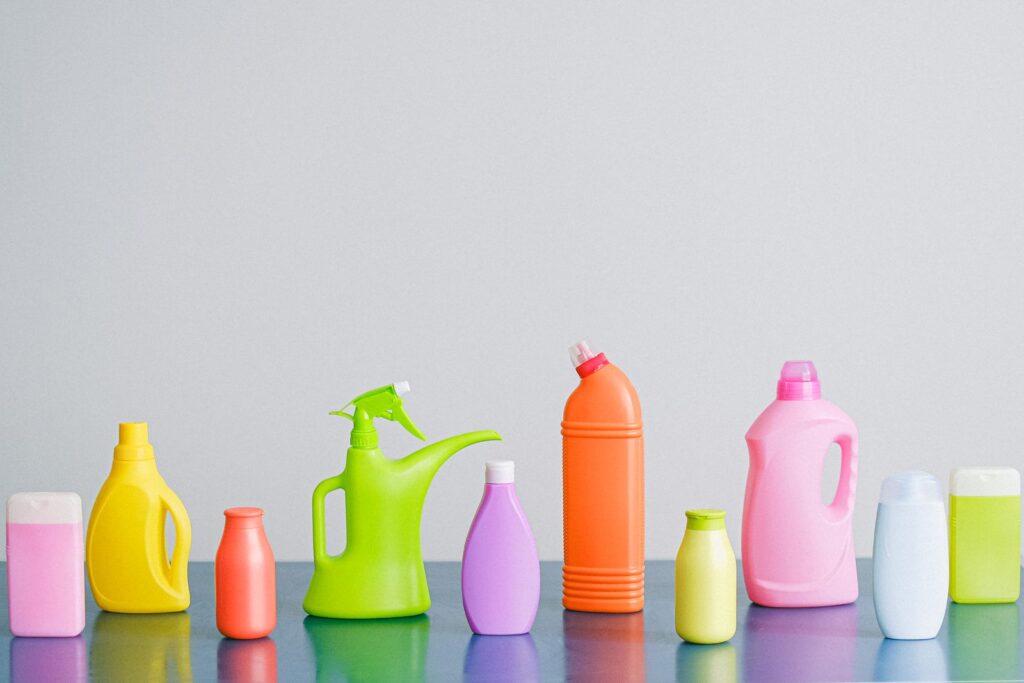
Not every bleach product is suitable. Use bleach that is:
- Regular, unscented household chlorine bleach
- Labeled with a sodium hypochlorite concentration, usually 6 percent or 8.25 percent
- Free of added cleaners, scents or "splash-less" thickeners
- Fresh. Bleach loses strength over time, especially after the bottle is opened and in warm storage. Many manufacturers suggest using it within about a year.
Do not use color-safe bleach, scented bleach, or bleach with added detergents. If the label includes directions for disinfecting drinking water, follow them.
What you need
- Unscented household chlorine bleach
- A clean medicine dropper, or measuring spoons for larger amounts
- Clean containers with lids
- A clean cloth, paper towel or coffee filter if the water is cloudy
How much bleach to add
The EPA’s emergency disinfection table gives these amounts for clear water:
| Volume of water | 6% bleach | 8.25% bleach |
|---|---|---|
| 1 quart or 1 liter | 2 drops | 2 drops |
| 1 gallon | 8 drops | 6 drops |
| 2 gallons | 16 drops (1/4 teaspoon) | 12 drops (1/8 teaspoon) |
| 4 gallons | 1/3 teaspoon | 1/4 teaspoon |
| 8 gallons | 2/3 teaspoon | 1/2 teaspoon |
A standard medicine dropper delivers roughly 20 drops per milliliter, but droppers vary. When in doubt, a few extra drops are safer than too few, but do not greatly exceed these amounts.
Step-by-step: disinfecting water with bleach
- Filter cloudy water. If the water is cloudy, murky or colored, let it settle, then filter it through a clean cloth, paper towel or coffee filter. Particles protect germs from chlorine.
- Measure the bleach using the table above.
- Add it to the water and stir or shake the container.
- Wait at least 30 minutes.
- Smell the water. It should have a slight chlorine smell.
- If there is no chlorine smell, repeat the dose and wait another 15 minutes.
- Store the treated water in clean, covered containers.
If the water is cloudy, very cold or colored even after filtering, EPA guidance is to double the amount of bleach.
How to make treated water taste better
Chlorinated water can taste strong. To improve the flavor:
- Let it stand uncovered for a few hours so some chlorine escapes, keeping it protected from dust.
- Pour it back and forth between two clean containers.
- Chill it in the refrigerator.
What bleach does and does not do
Chlorine bleach is effective against most bacteria and viruses. It is less effective against some parasites:
- Giardia needs longer contact time, especially in cold water.
- Cryptosporidium is highly resistant to chlorine at household doses.
That is why boiling remains the preferred method. If boiling is possible, boil. See how to boil water safely.
Bleach also does not remove chemicals, metals, salt or fuel. If you suspect chemical contamination, use bottled water.
Using bleach for other purposes during an advisory
Bleach is also useful for sanitizing during an advisory, at different strengths:
- Dishes: 1 teaspoon of unscented bleach per gallon of warm water; soak rinsed dishes for one minute and air dry. See washing dishes.
- Food contact surfaces and ice bins: about 1 tablespoon per gallon.
- Storage containers: 1 teaspoon per quart of water, swirled to coat the inside, then rinsed. See our emergency water storage guide.
Never use these stronger solutions for drinking water.
Bleach safety rules
- Never mix bleach with ammonia, vinegar or other cleaners. This can release toxic gases.
- Keep bleach away from children and store it in its original container.
- Use it in a ventilated area.
- Wear gloves if you have sensitive skin.
- Do not drink undiluted bleach, and do not add more than the recommended amount to water.
If someone swallows bleach, call Poison Control at 1-800-222-1222 right away.
Other emergency disinfection options
- Disinfection tablets: chlorine dioxide or iodine tablets sold for camping. Follow the package directions. Chlorine dioxide tablets are generally more effective against Cryptosporidium than household bleach.
- Portable purifiers: some combine filtration with UV or chemical treatment. Check whether they are rated for viruses.
- Bottled water: the simplest option when available. See how much bottled water you need.
Treating water from unusual sources
In a disaster, people sometimes need to use water from rain barrels, swimming pools or streams. These sources can contain chemicals and high levels of germs. Bleach disinfection may reduce germs but will not remove chemicals. Swimming pool water, for example, contains pool chemicals and should not be used for drinking. Use these sources only as a last resort, after filtering and disinfecting, and follow guidance from emergency officials.
Common mistakes
- Using scented or splash-less bleach, which may contain additives or less chlorine.
- Using old bleach that has lost much of its strength.
- Skipping the 30-minute wait. Chlorine needs contact time to work.
- Treating cloudy water without filtering it first.
- Adding far too much bleach, which makes water unpleasant and can irritate the stomach.
Keeping a bleach kit ready
Add these to your emergency supplies:
- A small, unopened bottle of unscented chlorine bleach, replaced about once a year
- A medicine dropper in a sealed bag
- A printed copy of the drop table above
- Coffee filters for cloudy water
- Labels and a marker
Frequently asked questions
How long does bleach-treated water stay safe?
If it is stored in a clean, covered container, it can be kept for some time, but it is best to use it within a few days and treat fresh water as needed.
Can I use pool shock or calcium hypochlorite?
Calcium hypochlorite can be used for emergency disinfection, but it requires a specific two-step process and careful handling. Household bleach is simpler for most people.
Is it safe for babies?
For infant formula, bottled water or boiled water is strongly preferred. Use bleach-treated water only if nothing else is available. See baby formula during a boil water advisory.
Summary
When you cannot boil water, add 8 drops of 6 percent unscented household bleach (or 6 drops of 8.25 percent bleach) per gallon of clear water, stir, and wait 30 minutes. Double the dose for cloudy or very cold water. Bleach kills most bacteria and viruses but not all parasites or any chemicals, so boil water whenever you can. Check the boil water advisory map for updates in your area.