CDC Boil Water Advisory Guidance, Explained in Plain English
The U.S. Centers for Disease Control and Prevention (CDC) publishes guidance on what to do during a boil water advisory. Most local utilities and health departments base their instructions on it. But the guidance is spread across several pages and written for a broad audience, so people often search for "CDC boil water advisory" looking for a simple summary.
This article walks through the main points of federal guidance in plain English, organized by everyday tasks. Always follow the specific instructions in your local notice, which may include details for your situation.
The core rule: boil for one minute
The foundation of the guidance is simple:
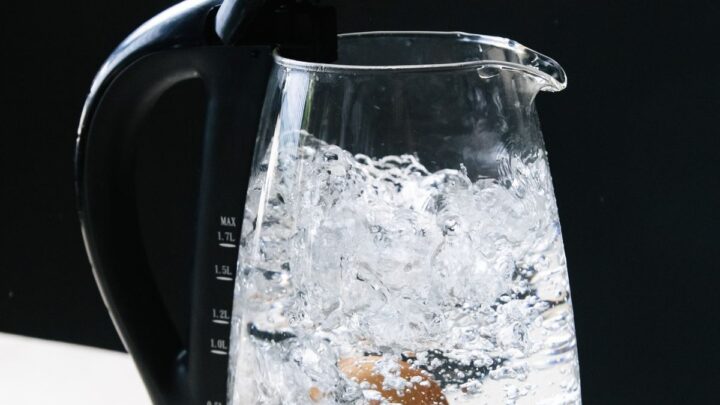
- Bring water to a full rolling boil for one minute.
- At elevations above 6,500 feet, boil for three minutes.
- Let the water cool before using it.
- Store it in clean, covered containers.
If the water is cloudy, let it settle and filter it through a clean cloth, paper towel or coffee filter before boiling. See our step-by-step boiling guide and how long to boil water.

If you cannot boil water
Federal guidance offers alternatives when boiling is not possible:
- Use bottled water.
- Disinfect water with unscented household chlorine bleach. For clear water, use the amount listed on the bleach label for disinfecting drinking water. If no directions are listed, the commonly cited amount is about 8 drops (about 1/8 teaspoon) of 6 percent bleach, or 6 drops of 8.25 percent bleach, per gallon. Stir and wait 30 minutes. The water should have a slight chlorine smell. Our guide to disinfecting water with bleach explains the details.
- Use disinfection tablets according to the manufacturer’s instructions.
Bleach and tablets are less effective against some parasites, such as Cryptosporidium, which is why boiling is preferred.
Drinking and preparing food
Use boiled or bottled water for:
- Drinking
- Making ice
- Preparing food and drinks, including coffee, tea, juice and drink mixes
- Washing fruits and vegetables
- Cooking, unless the food will boil for at least one minute
Throw away ice made with tap water during the advisory. Do not use refrigerator water and ice dispensers; most refrigerator filters do not remove germs. See coffee makers, ice makers and fridge dispensers and food and drinks during an advisory.
Babies
- Breastfeeding is best; continue if you can.
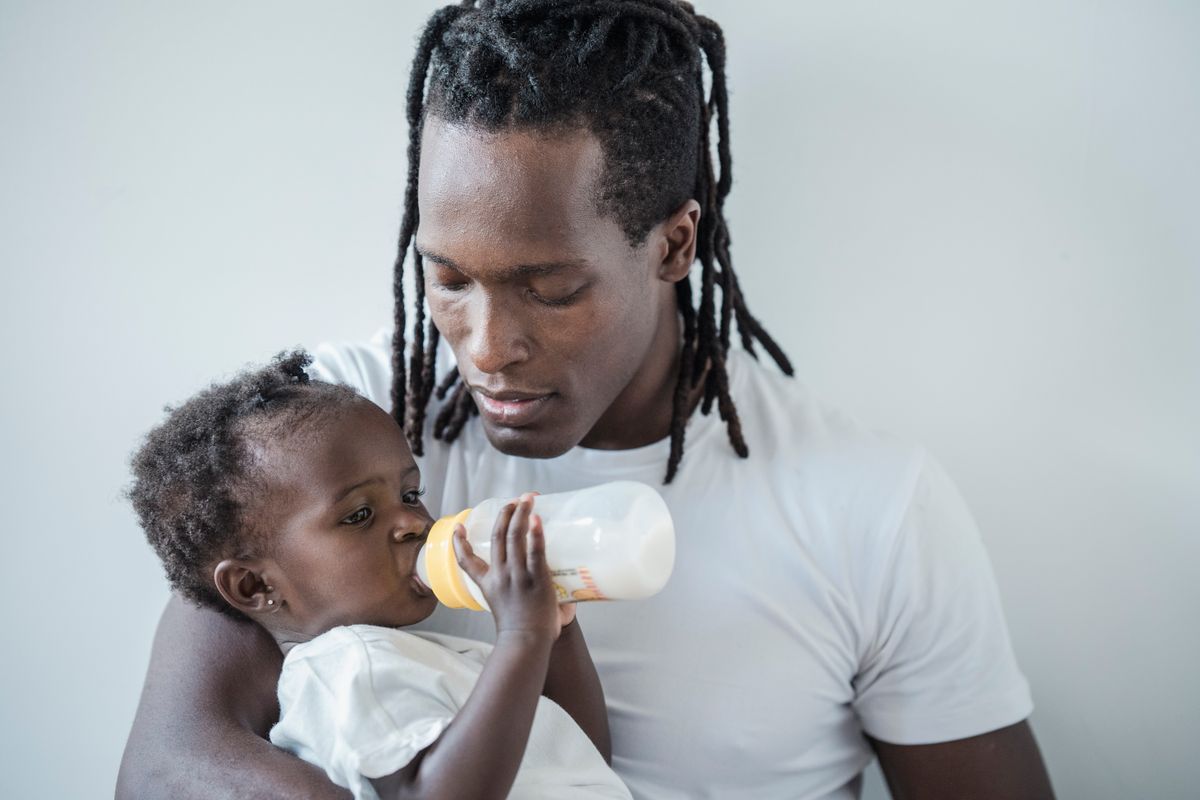
- For formula, use ready-to-feed formula, or prepare powdered or concentrated formula with bottled water or boiled water that has cooled.
- Wash and sterilize bottles and nipples with boiled water or a sanitizing method.
Our baby formula guide covers the extra precautions for newborns.
Brushing teeth
Use boiled or bottled water to brush your teeth. Do not use tap water. See brushing teeth during an advisory.
Washing hands
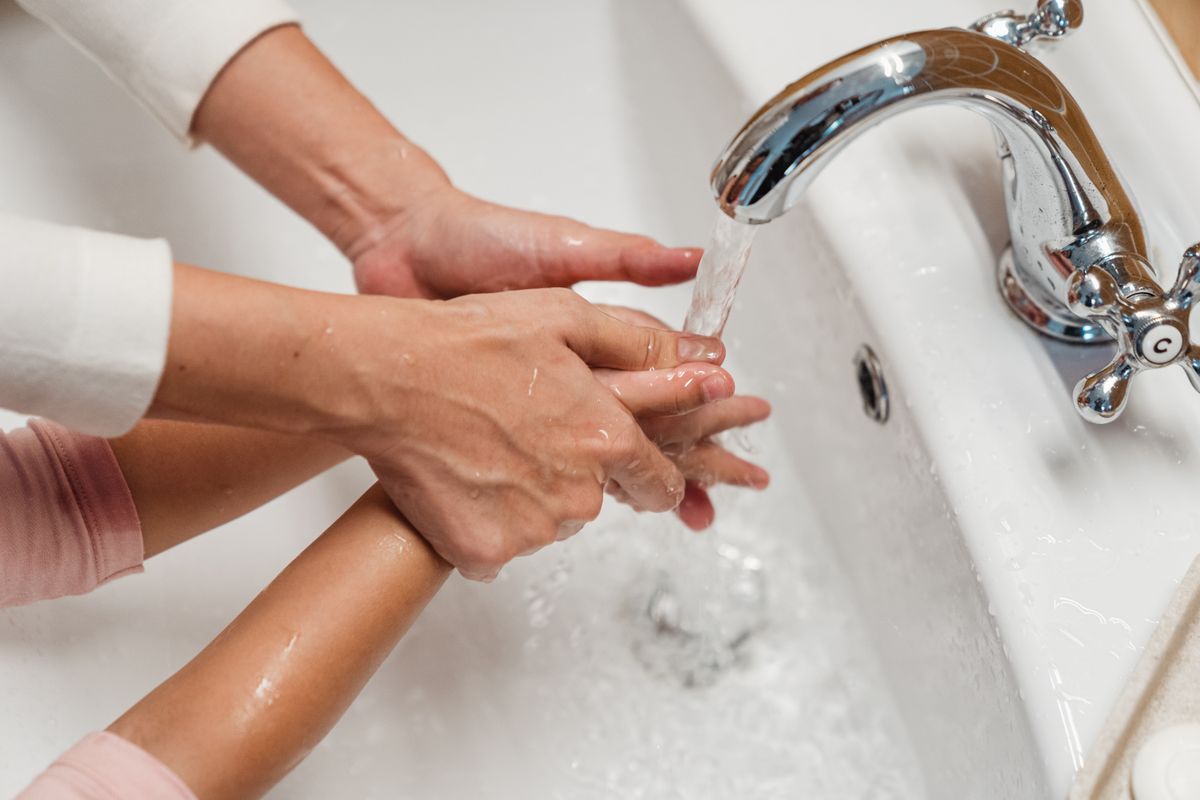
In most cases, it is safe to wash your hands with soap and tap water during a boil water advisory. Follow your local health officials’ guidance. If they recommend otherwise, use boiled water, bottled water or an alcohol-based hand sanitizer with at least 60 percent alcohol. See hand washing during an advisory.
Bathing and showering
- Adults can shower and bathe, but be careful not to swallow any water.
- Use caution when bathing babies and young children. Consider a sponge bath to reduce the chance of swallowing water.
See showering during a boil water advisory.
Washing dishes
- Household dishwashers are generally safe if the water reaches a final rinse temperature of at least 150°F or the dishwasher has a sanitizing cycle.
- To hand wash: wash and rinse dishes as normal, then soak the rinsed dishes for at least one minute in warm water with one teaspoon of unscented household liquid bleach per gallon. Let them air dry completely.
Our dishwashing guide explains each step.
Laundry
It is safe to do laundry as usual. See laundry during an advisory.
Pets
Give pets boiled water that has cooled, or bottled water. Pets can get sick from some of the same germs as people. See pets during an advisory.
Cleaning surfaces
Wash surfaces with soap and water, then sanitize them as you normally would. For food contact surfaces, use a sanitizer appropriate for the surface, and rinse with boiled or bottled water if the label calls for it.
Medical devices and higher-risk people
People with weakened immune systems should get specific advice from their health care providers. For medical devices that use water, such as CPAP machines and nebulizers, follow the device manufacturer’s instructions and use the type of water they specify, often distilled or sterile water.
When to see a doctor
Seek medical care if someone develops symptoms of a waterborne illness, such as diarrhea, vomiting, stomach cramps or fever, especially if:
- Symptoms are severe or last more than a few days
- There is blood in the stool
- There are signs of dehydration
- The person is an infant, older adult, pregnant or has a weakened immune system
Tell the provider about the boil water advisory.
After the advisory is lifted
Federal guidance and local utilities typically recommend:
- Flushing household plumbing by running cold water faucets for several minutes
- Running water softeners through a regeneration cycle
- Flushing and replacing filters on refrigerators and other devices
- Discarding ice made during the advisory and running ice makers through several cycles
See the full after-advisory checklist.
How CDC guidance fits with local notices
The CDC does not issue boil water advisories for specific communities. Advisories are issued by local water utilities, usually in coordination with state drinking water programs and health departments. The CDC’s role is to provide general health guidance that those agencies adapt. If your local notice gives different or more specific instructions, follow the local notice. The Environmental Protection Agency sets the drinking water regulations that utilities follow, including the rules on when public notices are required. See who issues boil water advisories.
Common misunderstandings
Several myths circulate during every advisory. Federal guidance helps clear them up:
- "Hot tap water is safe to drink." It is not. Water heaters run far below boiling.
- "My filter makes it safe." Most household filters are not designed to remove bacteria and viruses. See do water filters work during an advisory.
- "Freezing kills germs." Freezing preserves many germs. Throw away ice made during the advisory.
- "Boiling longer is safer." One minute is enough below 6,500 feet. Longer boiling wastes fuel and concentrates minerals.
- "If it looks clear, it is fine." Germs are invisible. Clear water can still be contaminated.
- "Coffee makers boil water." They do not hold water at a rolling boil long enough.
Quick reference
| Activity | Tap water OK? |
|---|---|
| Drinking, ice, coffee, formula | No, use boiled or bottled |
| Brushing teeth | No, use boiled or bottled |
| Washing produce | No, use boiled or bottled |
| Washing hands with soap | Usually yes; follow local guidance |
| Showering (adults) | Yes, do not swallow |
| Bathing babies | Sponge bath with safe water preferred |
| Dishwasher | Yes, if it sanitizes or reaches 150°F |
| Hand washing dishes | Yes, then bleach rinse and air dry |
| Laundry | Yes |
| Pets’ drinking water | No, use boiled or bottled |
Summary
Federal guidance boils down to a few rules: boil water for one minute (three above 6,500 feet), use boiled or bottled water for anything you or your pets swallow, shower and do laundry normally but carefully, sanitize dishes, and take extra care with babies and anyone at higher risk. Follow your local notice for details, and check the boil water advisory map to see when your advisory is lifted.