Winter Storms, Frozen Pipes and Boil Water Advisories
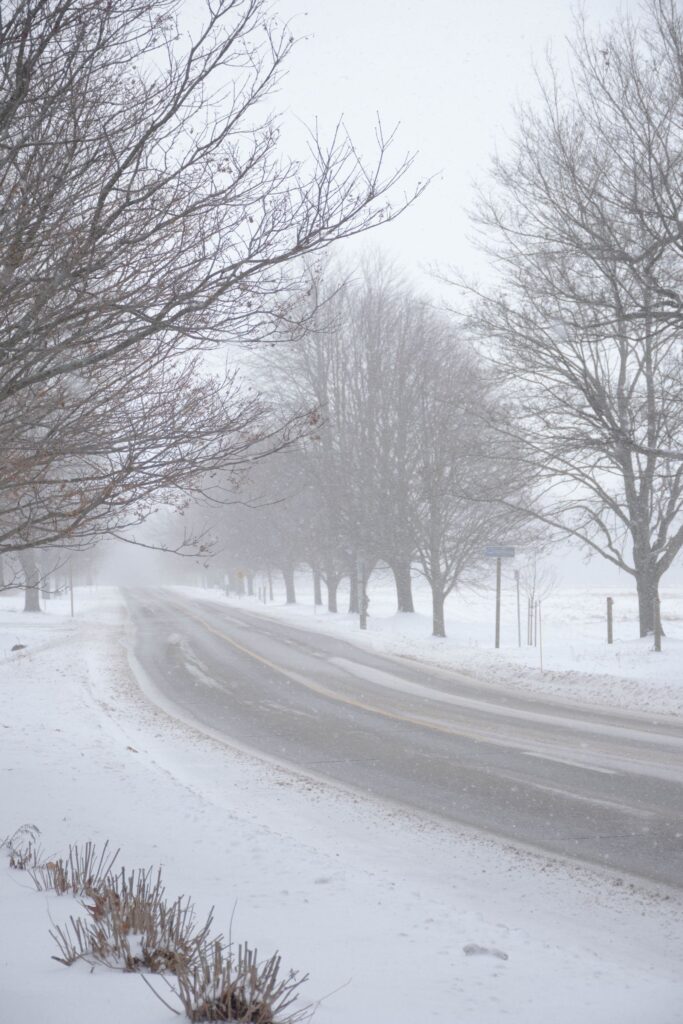
Most people think of hurricanes and floods when they picture water emergencies. But some of the largest boil water advisories in recent U.S. history were caused by cold. During a hard freeze, thousands of pipes can burst across a city at once, water systems lose pressure, and utilities have no choice but to issue advisories for huge areas.
This guide explains how winter storms lead to boil water advisories, how to protect your home’s pipes, and what to do if your water is affected.
How cold weather causes boil water advisories
Burst pipes everywhere at once
When water freezes, it expands. In pipes exposed to freezing temperatures, especially in unheated spaces, attics, crawl spaces and exterior walls, ice can build up pressure until the pipe splits. The burst often goes unnoticed until the ice thaws and water starts pouring out.
In a severe cold snap, this happens in thousands of homes and businesses at once. Each leak drains water from the public system. Combined, they can drop pressure across an entire city.
Water main breaks
Cold water and frozen ground put stress on underground mains. Sudden temperature drops make metal pipes contract, and frost can shift the soil around them. Utilities often see a sharp increase in main breaks during cold spells. See water main breaks and boil water advisories.
Power outages at treatment plants and pumps
Winter storms bring ice that brings down power lines. Treatment plants and pump stations may lose power, and their own equipment can freeze. Without power, water cannot be treated or pumped to maintain pressure.
Record demand
People leave faucets dripping to prevent freezing, which is good advice, but when everyone does it at once, demand can exceed what treatment plants can supply, further lowering pressure.
A major example: Texas, February 2021
In February 2021, a severe winter storm brought extreme cold to Texas and neighboring states. Power outages, frozen equipment, burst pipes and record demand caused widespread water system failures. Millions of Texans were placed under boil water notices, and some communities had no running water at all for days. The event showed how a freeze can stress water systems that were not designed for prolonged extreme cold.
How to protect your pipes before a freeze
When temperatures are forecast to drop well below freezing, especially to around 20°F or lower, take these steps:
- Insulate exposed pipes in attics, crawl spaces, garages and basements with foam pipe sleeves.
- Disconnect and drain garden hoses, and shut off and drain outdoor spigots if you have an inside shutoff valve.
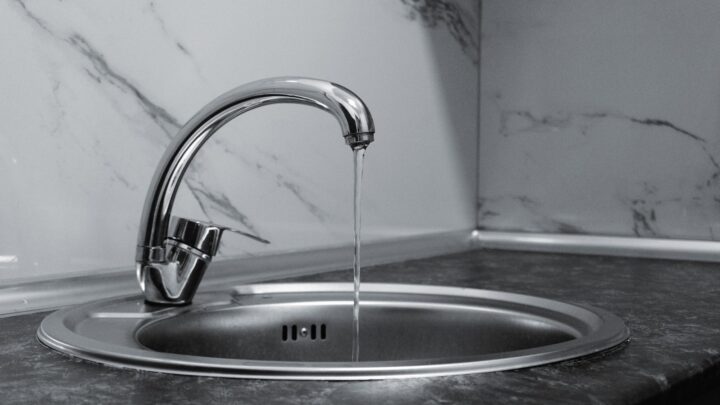
- Let faucets drip on cold nights, especially those on exterior walls. Moving water is less likely to freeze.
- Open cabinet doors under sinks to let warm air reach the pipes.
- Keep the thermostat steady, day and night. The American Red Cross recommends not setting it below 55°F, even when you are away.
- Close garage doors if water lines run through the garage.
- Seal drafts near pipes, such as gaps around dryer vents and crawl space openings.
- Know where your main shutoff valve is, so you can turn off water quickly if a pipe bursts.
If your pipes freeze
- Keep the faucet open. As the frozen area melts, water will begin to flow, which helps melt ice in the pipe.
- Apply gentle heat to the frozen section with a hair dryer, heating pad, or towels soaked in hot water.
- Never use an open flame, such as a blowtorch, kerosene heater or propane heater. It is a serious fire hazard.
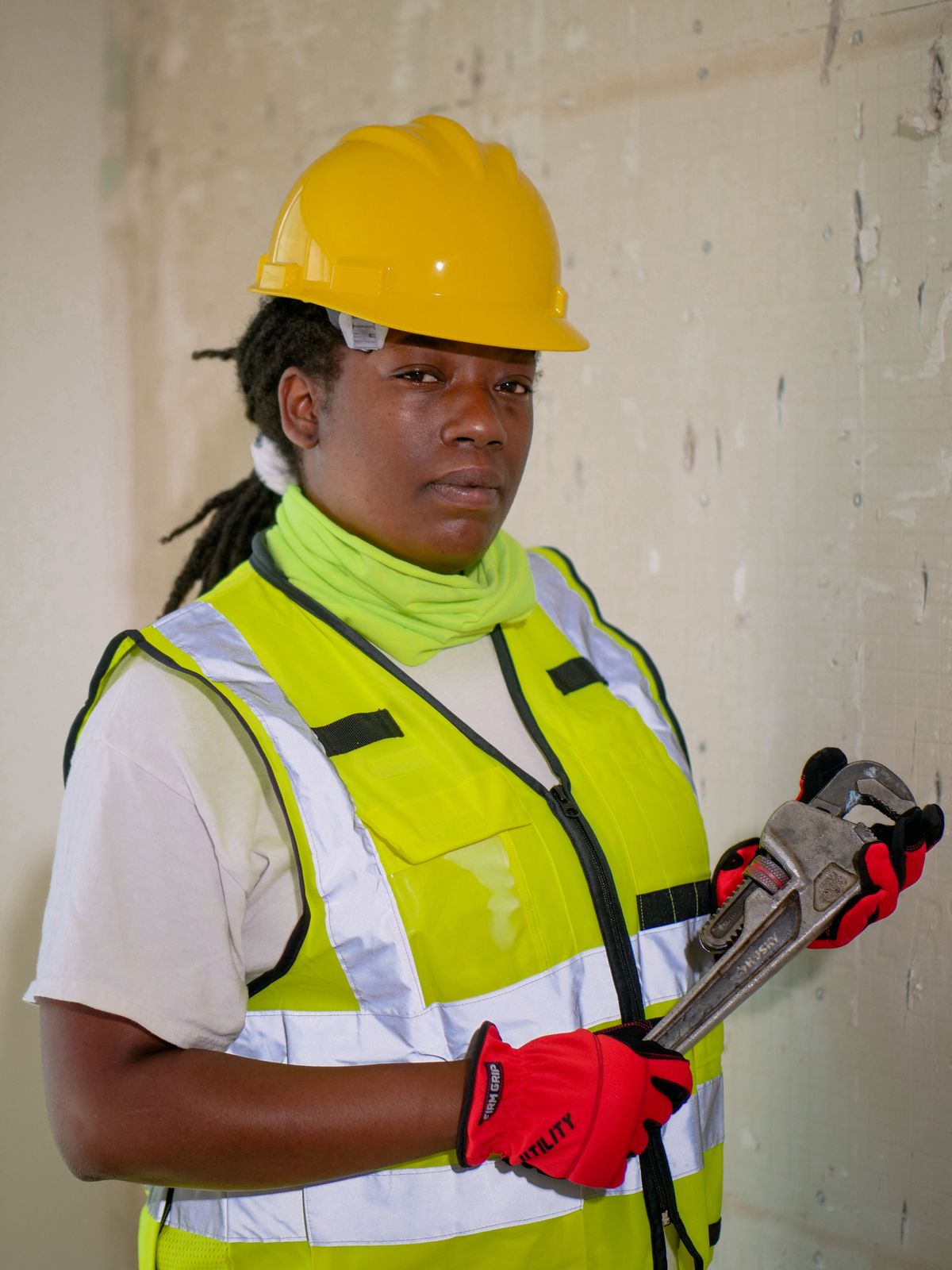
- Call a licensed plumber if you cannot find or reach the frozen area, or if you cannot thaw it.
If a pipe bursts
- Shut off the main water valve immediately.
- Turn off the electricity in areas where water is near outlets or appliances, if it is safe to do so.
- Call a plumber.
- Document damage with photos for insurance.
- Remove standing water and dry the area as quickly as possible to prevent mold.
During a winter boil water advisory
Winter advisories add some challenges:
- Boiling water is harder if the power is out. Use a gas stove if safe, or a camp stove or grill outdoors only. Never use these indoors because of carbon monoxide.
- Snow is not safe drinking water without treatment. Melting and boiling snow is possible in an emergency, but it takes a lot of snow and energy, and snow can contain pollutants. Boil melted snow for one minute before drinking.
- Keep stored water from freezing by storing it indoors.
- Stay warm and hydrated. People often drink less in cold weather, but dehydration still happens.
For general advisory steps, see what a boil water advisory means and how to boil water safely.
When pressure and water come back
As the system recovers, you may see:
- Sputtering faucets as air clears from the lines
- Cloudy water from air bubbles
- Discolored water from sediment
Run cold water until it clears. Check your home for leaks from pipes that burst while frozen; many leaks only become visible once water pressure is restored. Keep following the boil water advisory until the utility lifts it.
Conserving water to help the system recover
During a winter water crisis, utilities often ask customers to conserve water so pressure can recover. If asked:
- Stop dripping faucets once the extreme cold has passed, unless your utility advises otherwise.
- Postpone laundry and dishwashing.
- Take short showers.
- Report leaks you see on the street or at vacant properties.
- Shut off water to vacant buildings and units you manage.
Conserving water helps the utility refill storage tanks and restore pressure faster, which is necessary before the advisory can be lifted.
Businesses, landlords and vacant properties
Vacant homes, closed businesses and empty rental units are especially vulnerable, because no one is there to notice a burst pipe. A single unnoticed leak can run for days. Property owners and managers should:
- Keep heat on in vacant buildings
- Shut off and drain water lines in buildings that will be unheated
- Check properties after a freeze
- Know where every building’s shutoff valve is
After the advisory is lifted
Follow the full after-advisory flushing checklist. If you had frozen or burst pipes, have them inspected before relying on them again.
Frequently asked questions
At what temperature do pipes freeze?
It depends on insulation and exposure, but pipes in unheated areas are at risk whenever outdoor temperatures stay below freezing for several hours. The risk rises sharply around 20°F and below.
Should I leave all faucets dripping?
Drip faucets on exterior walls and those served by pipes in unheated areas. A slow drip of both hot and cold lines helps. Follow your utility’s advice, because some utilities ask customers to stop dripping when demand gets too high.
How long do winter boil water advisories last?
Small advisories after a single main break usually last one to three days. Large freezes that affect a whole system can lead to advisories lasting a week or more. See how long advisories last.
Summary
Hard freezes cause boil water advisories by bursting pipes, breaking mains, cutting power and driving record demand. Protect your pipes before the cold arrives, know where your shutoff valve is, and keep stored water indoors. If an advisory is issued, boil water safely, never use fuel-burning appliances indoors, and conserve water to help the system recover. Track winter advisories on the boil water advisory map.